
Zika
-
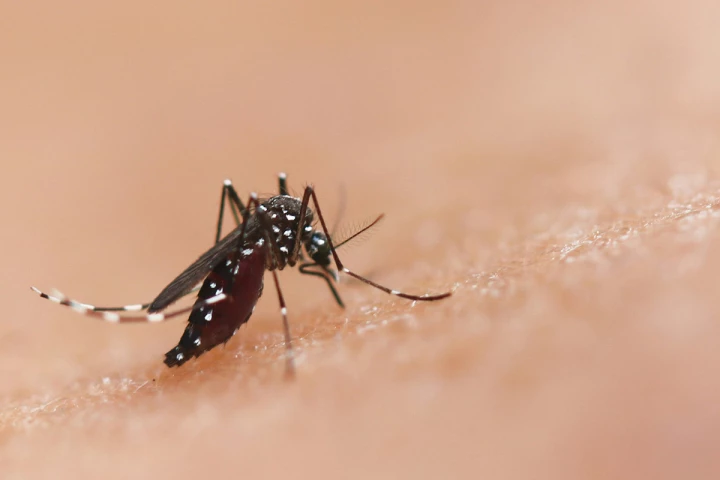 Mosquitoes looking to mate in Australia are about to have the worst sex of their lives – thanks to genetic modifications turning their semen toxic. That could kill females swiftly, and greatly reduce their ability to spread deadly diseases.
 -
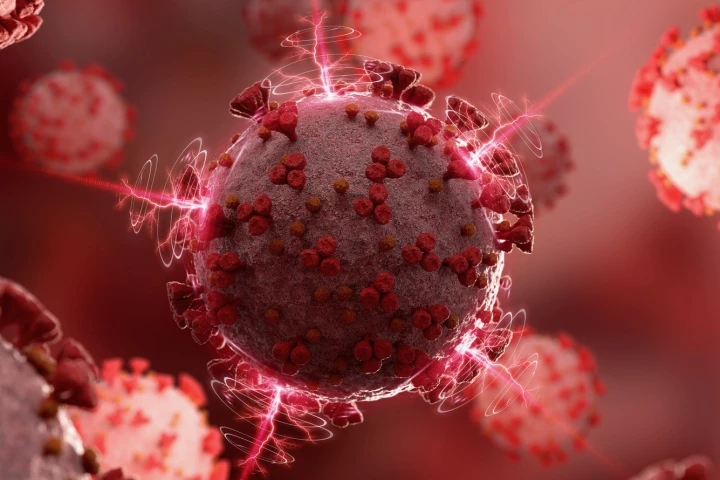 In the neverending human-vs-virus battle, scientists often focus on disrupting the protein coating on the bugs. New research shows an alternative: using certain compounds to act as molecular "pins" that pop the membranes holding viruses together.
 -
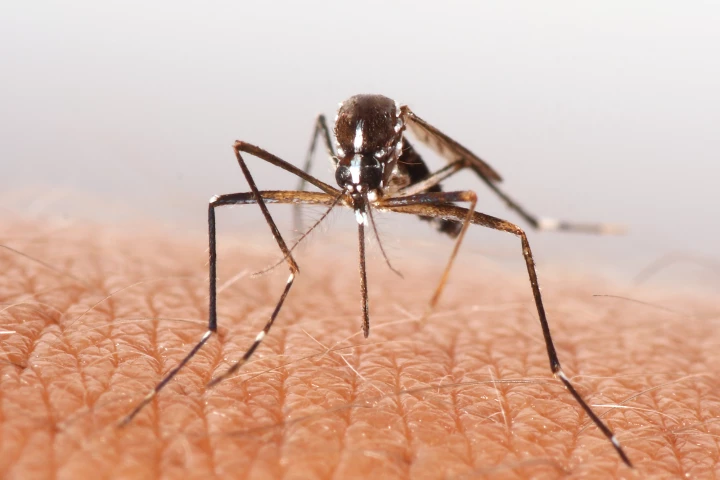 Environmental modification has a flow-on effect on natural ecosystems, including the insects that carry disease. For the first time, researchers have shown how environmental change affects the transmission of insect-borne diseases.
 -
 For studies on insect-borne diseases, many a human has sacrificed an arm in a tank full of mosquitos. Now, a new artificial skin filled with real blood might spare humans the itchy bites, while providing a greater insight into mosquito behavior.
 -
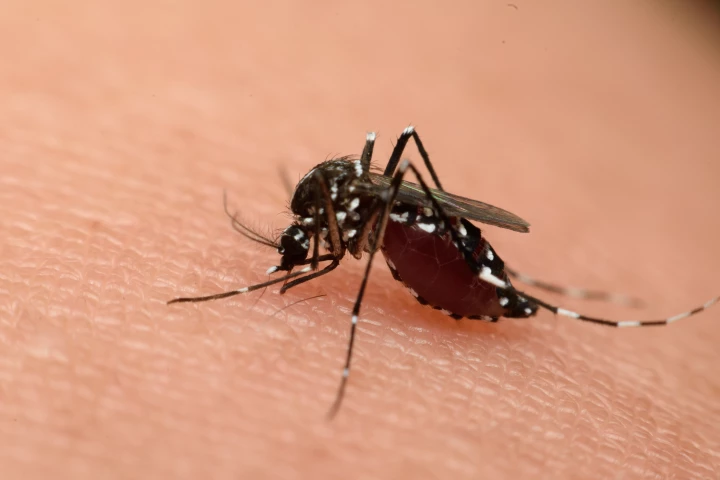 Researchers have discovered how some viruses can alter the smell of their host in order to attract mosquitoes. A study found dengue and Zika viruses can alter a host’s skin microbiome to enhance the volume of odor molecules that draw in mosquitoes.
 -
 Viruses are difficult to kill – most of the drugs and chemicals that do are also harmful to human health. But now, scientists have developed a new virucidal substance derived from sugar, making it deadly to a wide range of viruses but safe for us.
 -
 Scientists have now demonstrated a mosquito engineering technology that renders the biggest transmitter of the Zika virus largely immune to it, raising hopes of a new way to control the spread of it and other mosquito-borne diseases.
 -
 If the mosquitoes in a given area start carrying viruses such as Zika or Dengue, then the sooner that local health authorities know, the better. And while existing mosquito-testing procedures take at least week to deliver results, a new biosensor does so in less than an hour.
 -
 For well over half a century, scientists have been working to harness the cell-destroying power of viruses in the battle against cancer. The latest addition to this arsenal comes from an unlikely source, the relatively new Zika virus, which could offer a new way to fight deadly brain cancers.
 -
 Offering hopes of complete eradication of polio, a team of scientists in the UK has created a synthetic polio vaccine that contains non-infectious virus particles that can be grown quickly and cheaply in a close relative of the tobacco plant.
 -
 Twenty million sterile male mosquitoes are set to be released across two neighborhoods in Fresno County, California. This will be the largest mosquito field study ever conducted in the US with an aim of curbing the population of the disease-carrying insect.
 -
 The Golden Goose Award honors federally funded scientific research that might seem "silly, odd, or obscure when first conducted, but has resulted in significant benefits to society." In this case of this year's winner, those benefits extend to battling the bugs that spread the Zika virus.