
Woods Hole Oceanographic Institution
-
 You may not think of fish as being noisy, but they can actually be a pretty vocal bunch. A new AI system is able to quickly identify specific fish calls within general reef noise, allowing scientists to better track local populations.
 -
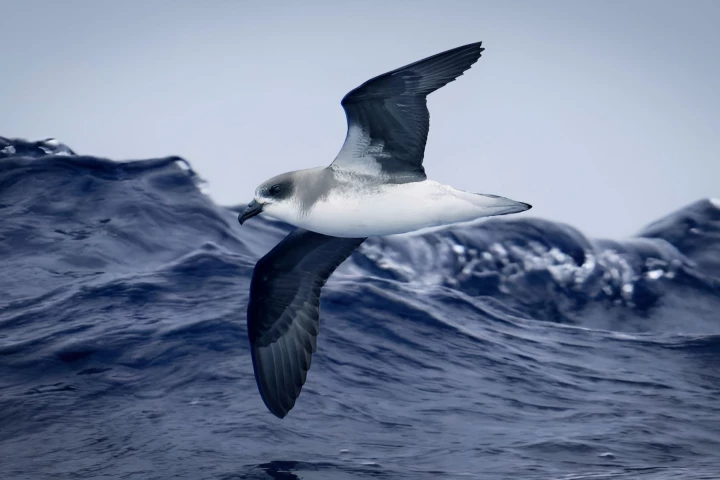 A daredevil seabird species has learnt to harness the insane power of hurricanes, seeking out storms over the ocean to 'ride' them for their own benefit. It's the first time this behavior has been observed, and now has scientists wondering if it's far more widespread in the avian world.
 -
 The tracking of squid and other soft-bodied sea creatures may soon be a lot more doable, thanks to a new bioadhesive interface. It's claimed to be much gentler than current attachment methods, while still remaining up to the task.
 -
 Scientists have discovered that audio recordings of healthy coral reefs may help attract free-swimming coral larvae to damaged ones. The finding could be a major step toward preserving the world's coral reefs.
 -
 Love it or hate it, but the way humans modify their speech when they communicate with their young offspring, commonly known as "baby talk," has now been recorded among bottlenose dolphin mothers. It's the first time it's been heard, too.
 -
 In 1986 it got up close to the Titanic, and now deep-sea explorer Alvin is achieving more world firsts, this time documenting 1.2 miles of new reef featuring live coral that's thousands of years old. Scientists hope it's the first of many to be found.
 -
 The world’s oceans play an important role in regulating the balance of CO2 in the atmosphere, but a new study suggests we may have been greatly underestimating the effectiveness of this vast carbon sink.
 -
 We keep finding life thriving under conditions we’d previously ruled out. The latest example comes from studies of rock cores drilled from the floor of the Indian Ocean, where microbes were discovered alive and well under almost half a mile of rock.
 -
 There are currently fewer than 80 Southern Resident Killer Whales left in North America's Pacific Northwest, and unfortunately boat collisions with them are on the rise. In order to address the problem, scientists are now looking to artificially-intelligent infrared cameras.
 -
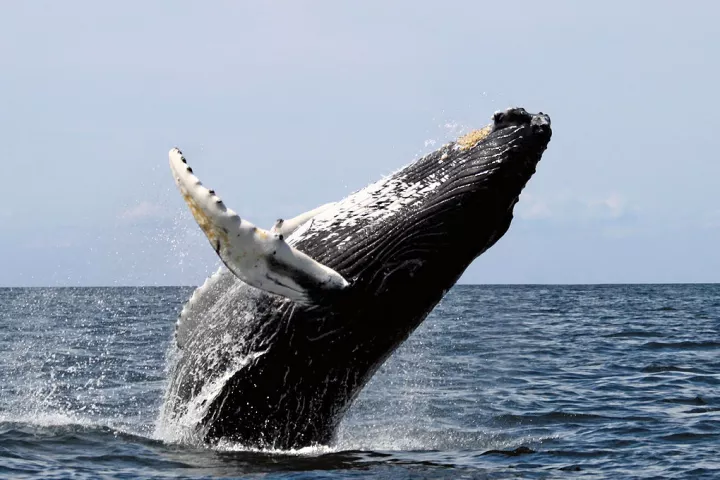 Whales inhabiting the waters off of New York and New Jersey can now be heard in real-time thanks to an acoustic monitoring buoy created by a consortium of marine scientists. The device allows the group to track, study and protect several species of endangered baleen whales.
 -
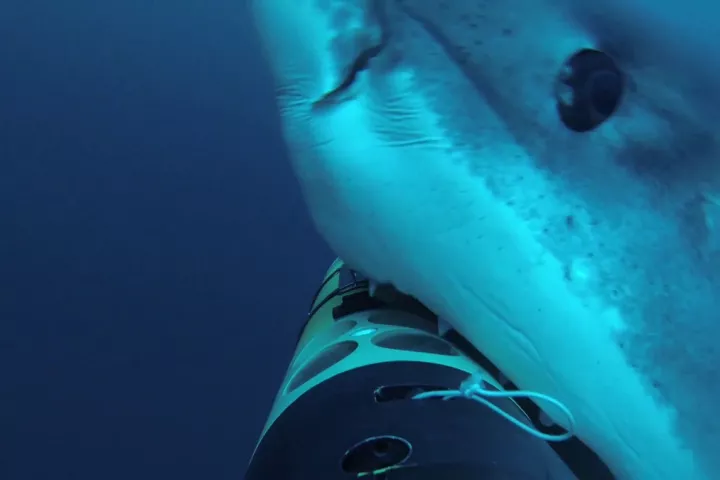 It's not easy studying sharks. With most observations being made from the surface we know almost nothing of the predator's behavior below the waves. The REMUS SharkCam AUV and the team at Woods Hole Oceanographic Institute are starting to pierce the blue veil.
 -
 Scientists at the Woods Hole Oceanographic Institution have developed a new technology called ITAG, which is designed to place instruments on squid, jellyfish to provide detailed information about the animals and their habitat.