
Wi-Fi
-
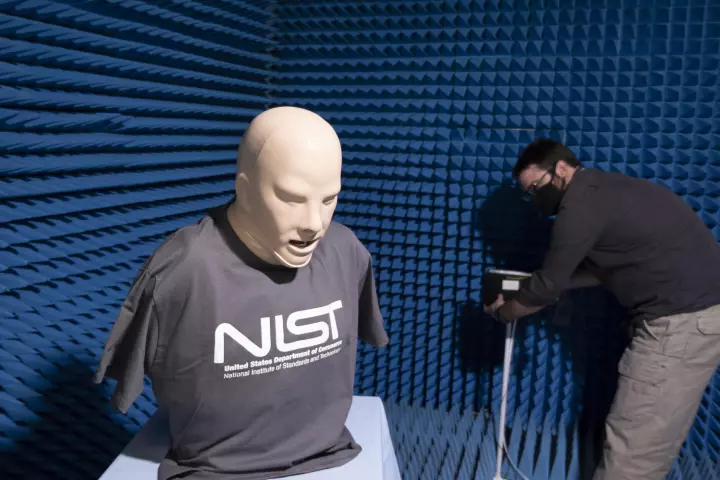 By modifying an off-the-shelf Wi-Fi router with a firmware update and using a deep-learning algorithm, scientists have been able to detect breathing patterns that indicate respiratory distress in a medical mannequin.
 -
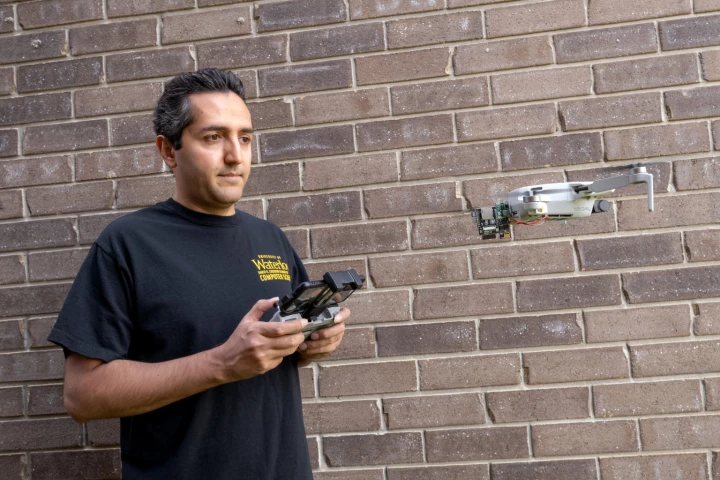 If someone were planning on burglarizing a building, it would help if they knew where valuable gadgets such as smart TVs were located. A drone equipped with a cheap "Wi-Peep" device could allow them to do so, by seeing through the building's walls.
 -
 We've already seen systems that wirelessly transmit data via patterns of flickering light. A Saudi Arabian team has created a less energy-intensive alternative, that could use modulated sunlight in place of traditional Wi-Fi.
 -
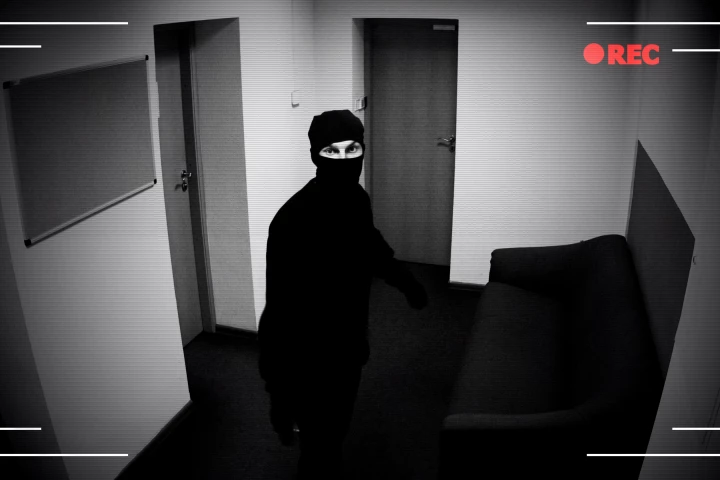 Utilizing a new technique, ordinary wall-penetrating Wi-Fi signals could reportedly now be used to identify a person within a house.
 -
 In what may be seen as a worrying development to those troubled by the growth of the surveillance state, researchers at the University of California have demonstrated that they can count people through walls using only Wi-Fi signals.
 -
 Three years ago, scientists used Wi-Fi-equipped ground-based robots to obtain 2D images of objects hidden behind brick walls. Now, using aerial drones, they've obtained 3D images of similarly-hidden objects.
 -
 Two years ago, researchers at MIT used Wi-Fi signals to see through walls and track a person's movements. The same team has now come up with a new technology that's not only able to discern a person's silhouette through walls, but can also make out different individuals.
 -
 Young women under the influence of alcohol may be endangered when separated from friends at venues. In an attempt to reduce this possibility, a group of University of Washington students have designed a smart wearable that automatically alerts friends if something may be wrong.
 -
 We all know to look out for viruses that can be spread over the internet, or by sharing files between computers. Now, however, scientists have shown that special viruses could move between wireless access points using existing Wi-Fi networks.
 -
 A new "Wi-Vi" system developed at MIT can see through walls to track moving people using low-cost Wi-Fi technology.
 -
 Engineers at the Boeing laboratories have discovered that sacks of potatoes work as a substitute for people when testing the effects on WiFi of an airline cabin packed with passengers.
 -
 An internet company in Mexico has placed devices in several parks that accept pet waste and then activate free wifi for a set time in the area.