
Western University
-
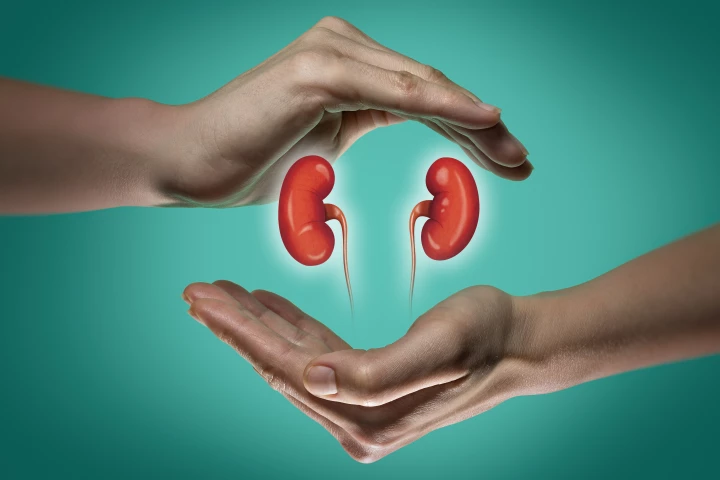 The human body's microbe makeup is increasingly linked to the onset of many diseases, with a lot of the focus on the gut. A new study, however, has found that changes in the bug populations in not just the gut but in salivary and urinary microbiomes are linked to kidney stones forming.
 -
 When Captain Kirk stepped out with a tricorder in hand in Star Trek in 1966, the data sensing, scanning and analyzing gadget seemed a rather useful but far-in-the-future piece of technology. With the Swift Ray 1, we're a step closer to its reality.
 -
 A new study has for the first time revealed one of the molecular mechanisms by which CBD directly blocks the negative psychiatric side effects generated by THC.
 -
 Made by our kidneys, interleukin 37 is a protein that has powerful anti-inflammatory properties. It's produced in small quantities in the body, but if made externally in larger amounts, it could be used to treat many conditions. Scientists have now developed a way of producing it in tobacco plants.
 -
 CRISPR-Cas9 has the potential to radically change how disease is treated. Now, scientists have edited the editor, adding a new engineered enzyme to CRISPR that can prevent the target DNA from repairing itself and cancelling out the desired changes.
 -
 We've all had the sensation of "burning with embarrassment." According to new research, however, awareness of that phenomenon can help us. Given that a sensation of heat is associated with feelings of shame, it's claimed that alleviating the sensation can lessen those feelings.
 -
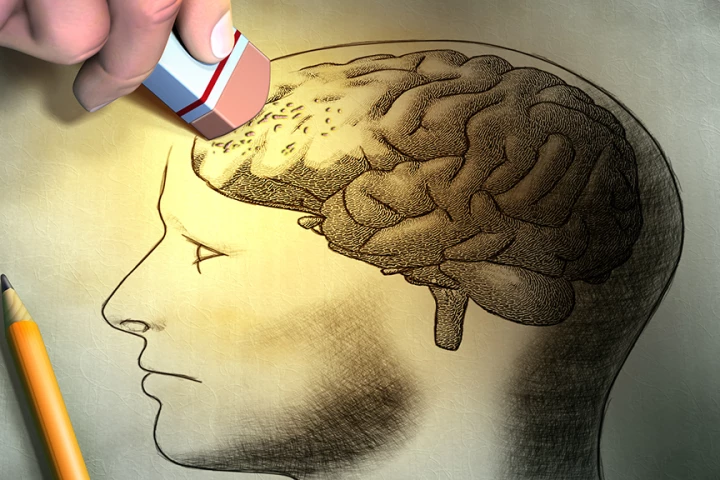 Researchers at Canada’s Western University have found a way to effectively block aversive and reward-related memories that could lead to better treatments for PTSD and drug addiction.