
Water
-
 Among the many problems posed by the rapid proliferation of data centers is the strain on local water supplies. Google says it's building a better data center that won't require water to keep its servers and computing equipment cool.
 -
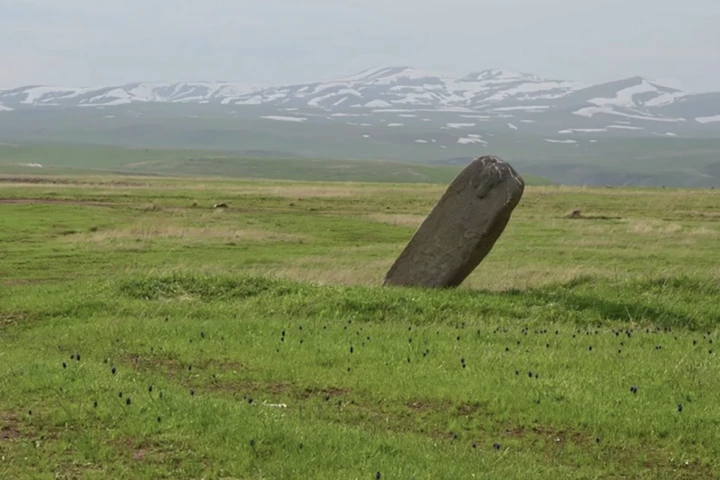 Archeologists say they have solved the 6,000-year-old mystery of Armenia’s “dragon stones" – massive carved monoliths scattered across high-altitude slopes and pastures where no ancient settlements ever existed. It's a story of worship and water.
 -
 A new study found stranded dolphins show brain damage eerily similar to that of people with Alzheimer's. Just like people with dementia sometimes wander far from home, scientists think dolphins with Alzheimer's might get confused at sea.
 -
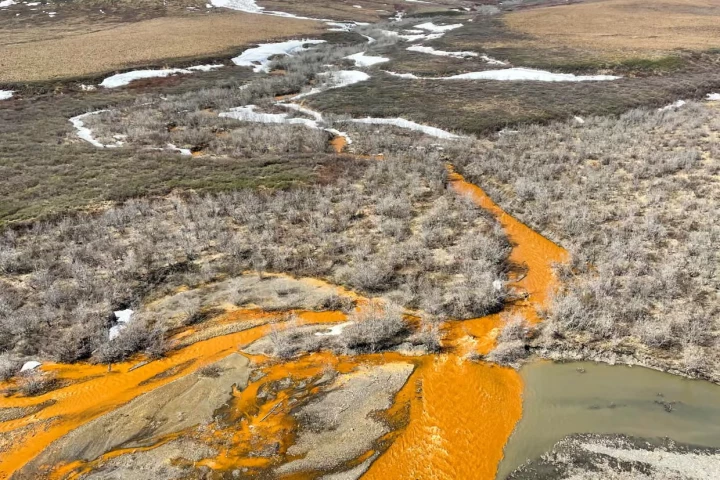 New research flips a long-held belief that frozen environments slow down chemical reactions and helps explain why Arctic rivers are turning orange. It turns out that ice is actually better than liquid water at releasing iron from common minerals.
 -
 One of the problems with microplastics lies in the fact that the plastic particles can be so small, we don't even know they're present in water in the first place. A new type of engineered bacteria could help, by causing the particles to glow green.
 -
 For the first time, researchers have shown how staying hydrated influences how our bodies react, hormonally, to stress, keeping cortisol in check and in turn lowering the risk of serious health conditions including heart disease, obesity and diabetes.
 -
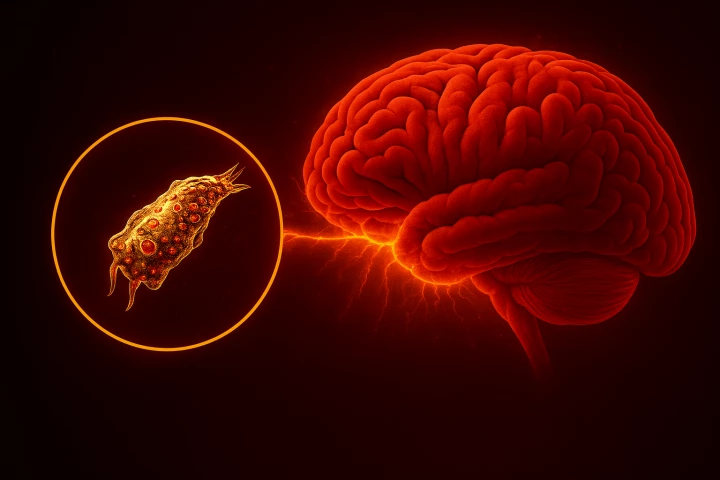 One of the most dangerous microorganisms on Earth, Naegleria fowleri has a well-earned nickname as the "brain-eating amoeba," and infection almost always leads to death. Now it's infiltrated the treated drinking water supplied to two Australian towns.
 -
 Dozens of water-harvesting pods are set to be deployed along the sea floor off the coast of California as the United States ramps up its first subsea desalination project. The effort is expected to produce 60 million gallons (227 million liters) of fresh water per day.
 -
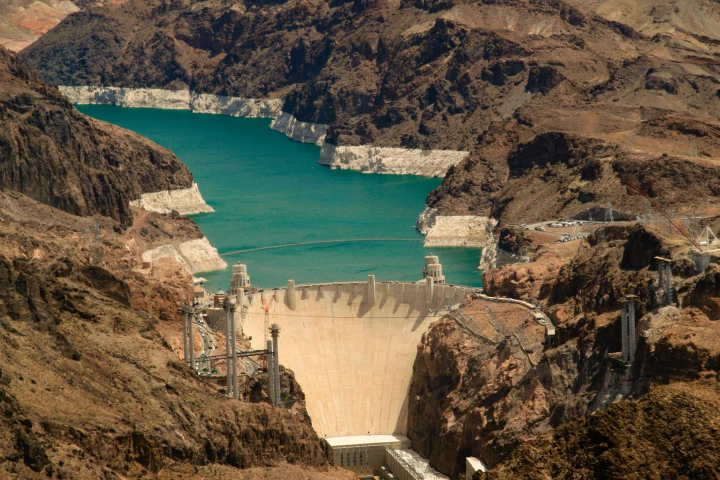 Over the past two centuries, the construction of thousands of dams has done more than just tame rivers – it has shifted the Earth’s North Pole about a meter off its position.
 -
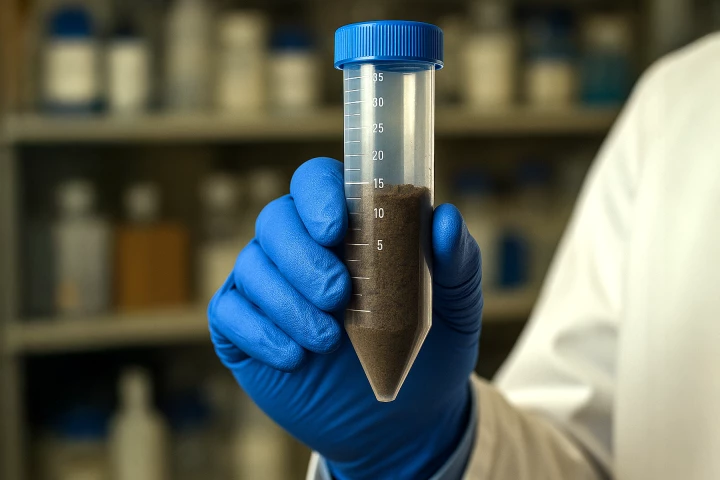 A new study from scientists at Michigan State University sheds light on a recently discovered microbe and its potential for scavenging pollutants in deep soil. Further work could lead to novel solutions in providing clean drinking water worldwide.
 -
 If your home has old lead water pipes, there's a chance that harmful concentrations of lead may be present in your water. An experimental new device could soon allow homeowners to check for themselves, instead of waiting for the city to do so.
 -
 Neighborhoods near golf courses are often considered desirable locations. However, a new study suggests that houses within a few miles of manicured fairways and greens may not be such hot property for your health and wellbeing.
Load More