
Wastewater
-
 It's a sad fact that antibiotics are constantly entering the environment through the wastewater stream. There could soon be a cheap new way of removing those antibiotics from the water, however, using plentiful pine bark.
 -
 Scientists have developed a new method for removing toxic “forever chemicals” from wastewater. 3D-printed ceramic lattices can remove up to 75% of PFAS from polluted water in three hours – and the structures get better at their job as they’re reused.
 -
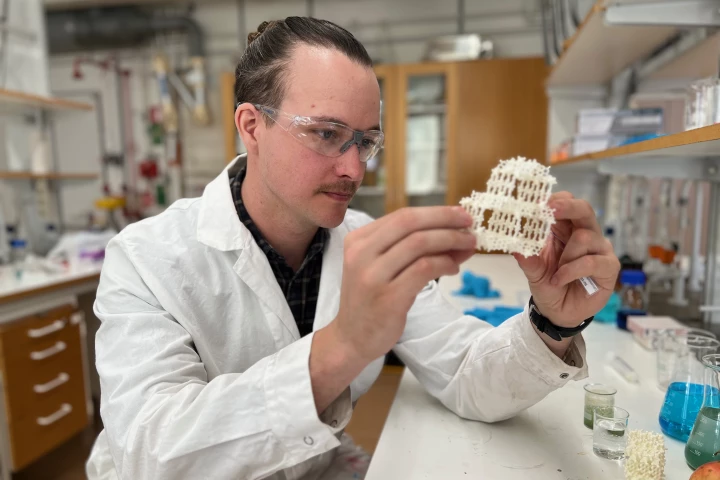 In recent years, pomegranate-derived compounds have been shown to slow cellular aging, protect unborn babies' brains, and serve as additives in better automotive materials. Now, they've also been used to remove pharmaceuticals from wastewater.
 -
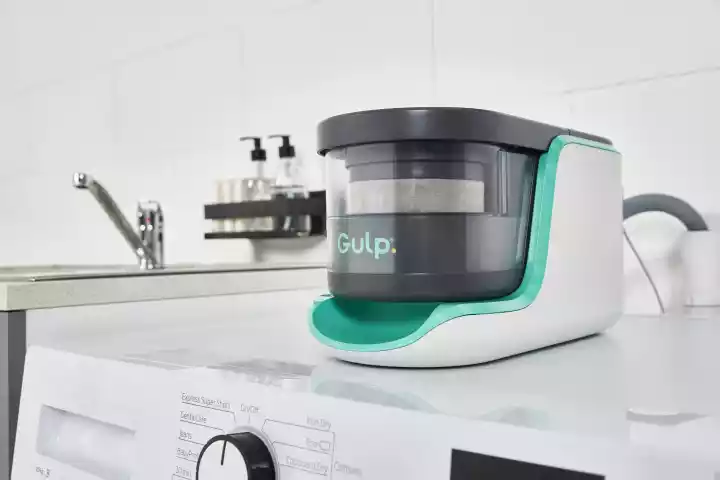 A large percentage of microplastic pollution takes the form of synthetic microfibers, shed by our clothes as they're being washed. Gulp lets homeowners filter those fibers out of their wash water, keeping them from reaching rivers or the sea.
 -
 The UK Heath Security Agency (UKHSA) is reporting several traces of poliovirus have been detected in London sewage samples over the past few months. So what does this mean? And should anyone be worried?
 -
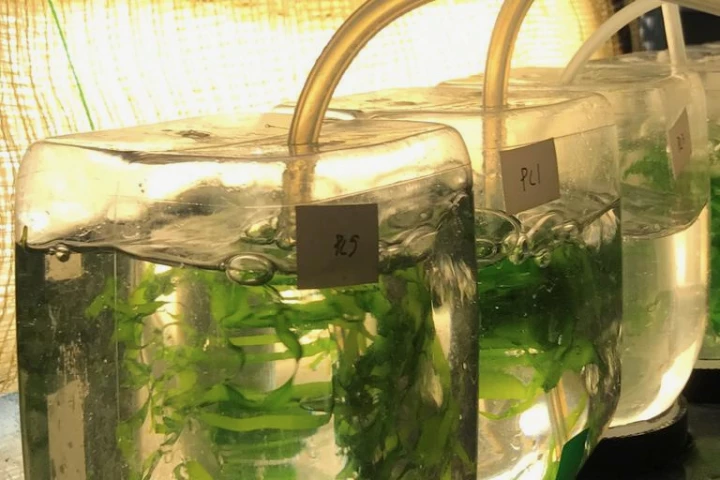 The processing of foods typically generates a lot of wastewater, which has to be cleaned up before being released back into local waterways. According to new research, however, that water could first be put to use as a very effective fertilizer for farmed seaweed.
 -
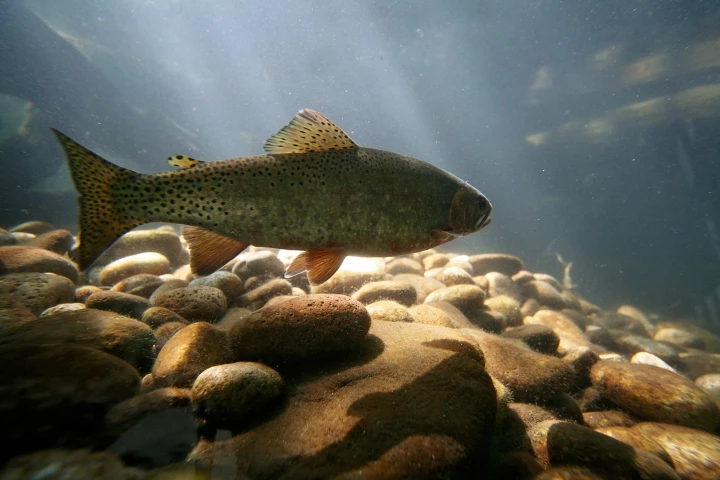 In an effort to uncover what waters polluted with pharmaceuticals could mean for marine organisms, a study has demonstrated a capacity for brown trout to become addicted to methamphetamine after exposure to environmentally relevant concentrations.
 -
 Even with today's various sewage-treatment technologies, a great deal of municipal wastewater is still released back into waterways either partially or completely untreated. According to a new study, however, plots of willow trees could be used to clean it up – while also producing useful materials.
 -
 Microplastics are increasingly found polluting waterways and causing unknown damage to the health of animals and humans. Now, a new study provides evidence there's cross over with another looming public health threat – antibiotic-resistant superbugs.
 -
 Antibiotic-resistant bacteria are emerging as a serious public health threat. Now, researchers have developed a system using nanoparticles wrapped in graphene oxide to kill both the superbugs and their free-floating resistance genes in wastewater.
 -
 Making biofuel from algae is showing promise as a green energy source, but it does create large amounts of toxic wastewater. Now, researchers in Australia have found a way to clean up that wastewater, with a simple and scalable electrical process.
 -
 Scientists in Italy have uncovered evidence of the coronavirus appearing in sewage months before the country confirmed its first cases, a finding that may help them understand the origins of the virus and how it spread throughout the country.
Load More