
Waste
-
 The tons of discarded mussel shells generated by the seafood industry may be organic, but they're still very slow to biodegrade in landfills. They may soon find new life, however, sandblasting jeans in the textile industry.
 -
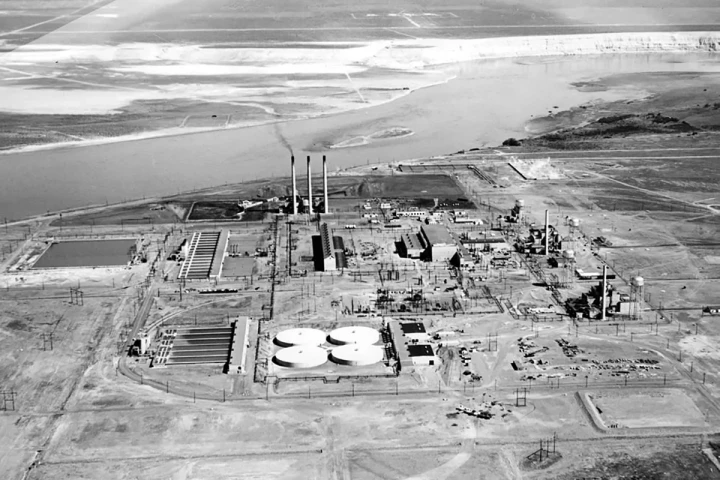 A nuclear production facility in Washington state, called the Hanford site, once forged the plutonium that reshaped the world. Now it’s forging glass; a quiet act of undoing at one of Earth’s most contaminated sites.
 -
 Composting toilets are a great idea, but no one likes to think of the waste sitting there and fermenting. A new eco-friendly toilet gets around that problem by using mushrooms to facilitate the composting process, plus it uses no water to do the job.
 -
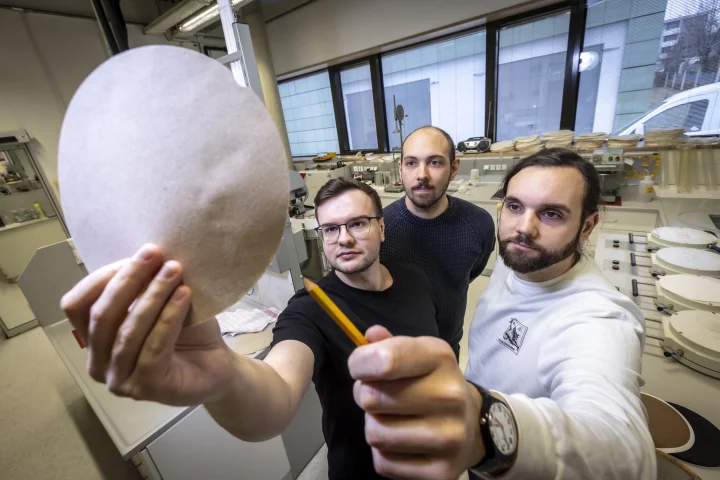 While it's great that many types of paper can now be recycled, textile waste is still mostly dumped or burned. A new technique could change that by combining the two materials, using discarded cotton clothing to boost the strength of packaging paper.
 -
 Nuclear waste. We've all heard about it but what exactly is it and why is it so important? How big is the problem and is it a problem without a solution? New Atlas takes a look at the basics.
 -
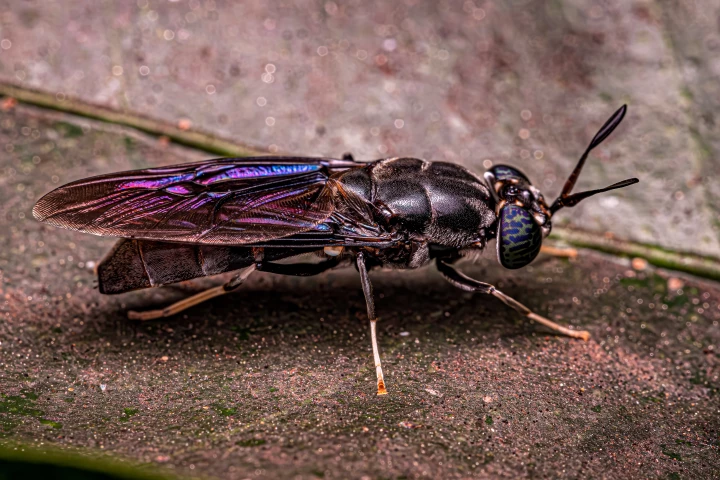 "We can feed black soldier flies straight, dirty trash," says a team that's working to turn insects into landfill-clearing biomanufacturing machines that turn regular, dangerous or contaminated garbage into a range of high-value products.
 -
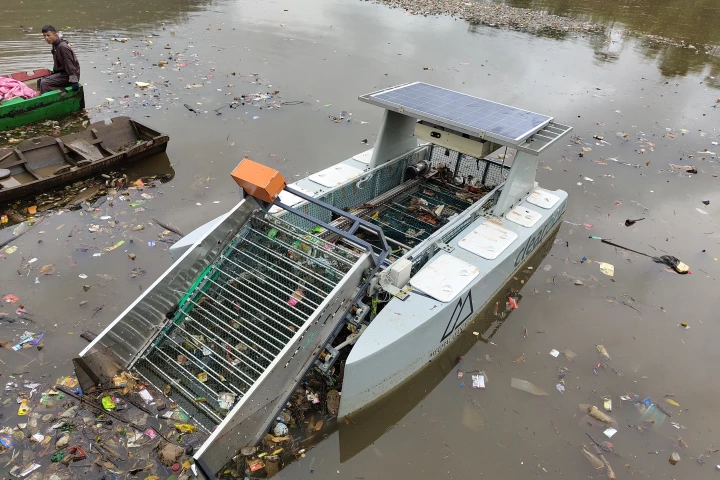 Clear Robotics is expanding its fleet of autonomous marine trash collectors. Its Class 3 vessel boasts more onboard storage capacity plus towed barge potential for extended cleanup operations, and has also been designed to tackle invasive weeds.
 -
 To drive down the cost of biodiesel, researchers have developed an eco-friendly way of extracting triacetin, a combustion-enhancing additive, from an abundant waste source, cigarette butts, both reducing waste and providing a sustainable use for it.
 -
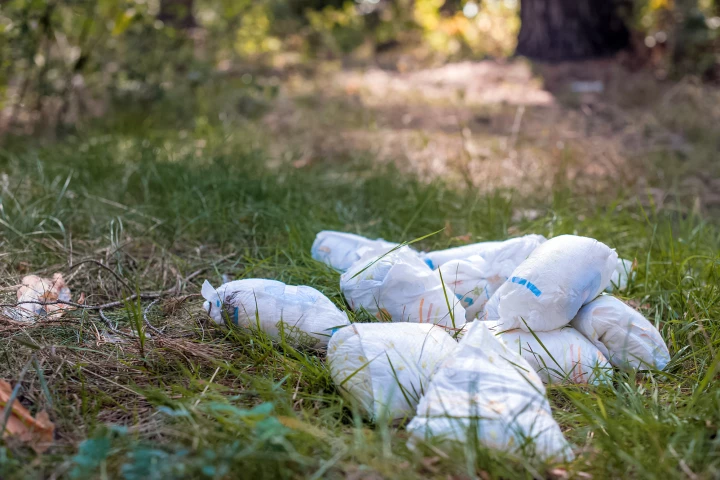 Disposable diapers are a huge source of global waste, largely because they're difficult to recycle. A new process, however, could salvage the "superabsorber" polymer utilized in the liners of those diapers – and yes, even if they're soiled.
 -
 It may be delicious and healthy, but fruit is frustratingly fickle, often going bad quickly in the fridge. Now, researchers in Thailand have developed an invisible, edible coating made with cannabidiol (CBD) that can preserve fruit for much longer.
 -
 As compared to traditional agriculture, hydroponic farming uses less space and less water, plus it requires no soil. It still does require a growth medium, though – and scientists have recently created a better such medium, derived from human hair.
 -
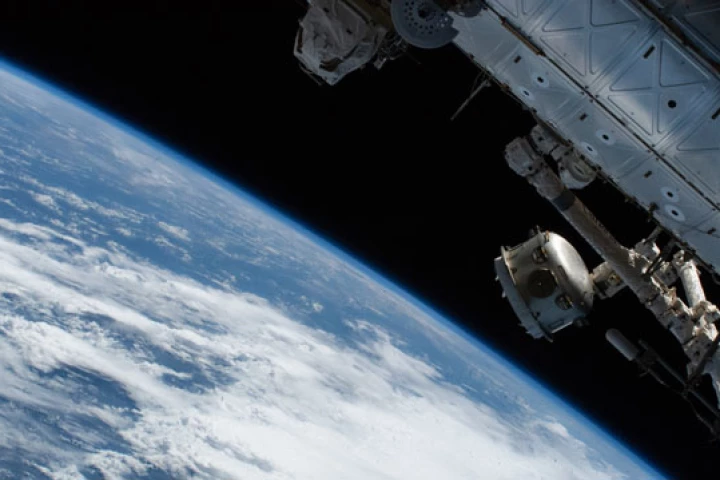 Nanoracks, in conjunction with NASA's Johnson Space Center, has successfully expelled 172 lb (78 kg) of trash from the ISS in a high-tech bin liner that was ejected from the station's Bishop Airlock on June 2 to then burn up in the atmosphere.
Load More