
Washington University School of Medicine
-
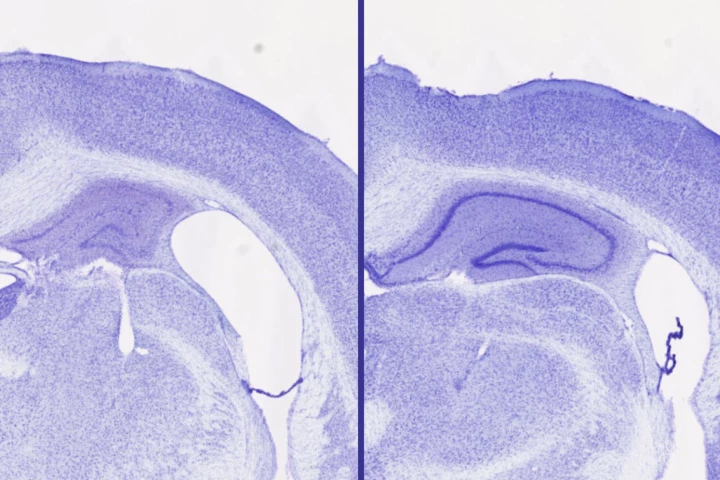 A readily available sleep aid has been shown to have a surprising side effect on brain health, seemingly protecting the organ from the buildup of the tau protein – a key biomarker in the development of neurodegenerative diseases including Alzheimer's.
 -
 A long-term trial has found that a discontinued drug halved the onset of a genetic form Alzheimer's, from all but 100% to 50%. Buoyed by the results, scientists are now trialing anti-amyloid medication as a preventative for all types of the disease.
 -
 A simple little sticker could soon be saving the lives of patients recovering from gastrointestinal surgery. The clever device is designed to detect the presence of leaking digestive fluids sooner than otherwise possible.
 -
 Chitin, which provides crucial exoskeletal structure and protection to soft-bodied arthropods such as crustaceans, spiders and insects, may have a surprising role in switching up human metabolism in the gut, helping to fight weight gain and obesity.
 -
 A 31-year-old woman desperately needed a heart transplant to save her life, but doctors knew her body would reject the organ. So they took an unusual approach: they also replaced her healthy liver. The procedure was a groundbreaking success.
 -
 We’re getting closer to being able to induce hibernation on demand in humans for surgery or space travel. Scientists have now demonstrated a way to induce a hibernation-like state in mice and rats using non-invasive ultrasound pulses to the brain.
 -
 A common sleeping pill showed promise in combating the substances that lead to the harmful tangles and plaques in the brain that contribute to Alzheimer's disease, but larger, more comprehensive studies are needed to confirm the results.
 -
 In the first study to investigate the effect of repeat SARS-CoV-2 infections on a person's general health researchers have found COVID reinfections can increase one's risk of neurological diseases, diabetes, lung problems and heart disease.
 -
 Scientists have identified a protein implicated in the progression of Alzheimer's disease that appears highly regulated by the circadian rhythm, helping them join the dots between the two and providing a potential new therapeutic target.
 -
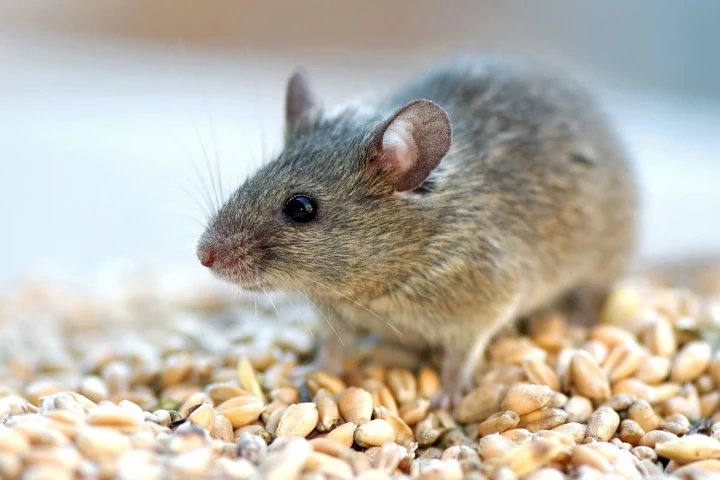 A new study is offering a new hypothesis to explain the long-standing idea that transfusions of young blood can reverse the effects of aging. The study reveals when older mice are supplemented with a protein taken from the blood of young mice, they live longer and exhibit youthful characteristics.
 -
 Currently, if people have urinary problems such as incontinence or an overactive bladder, medication and/or electronic nerve-stimulating implants are required. An experimental new implant may work better, however, treating the problem using integrated micro-LEDs.
 -
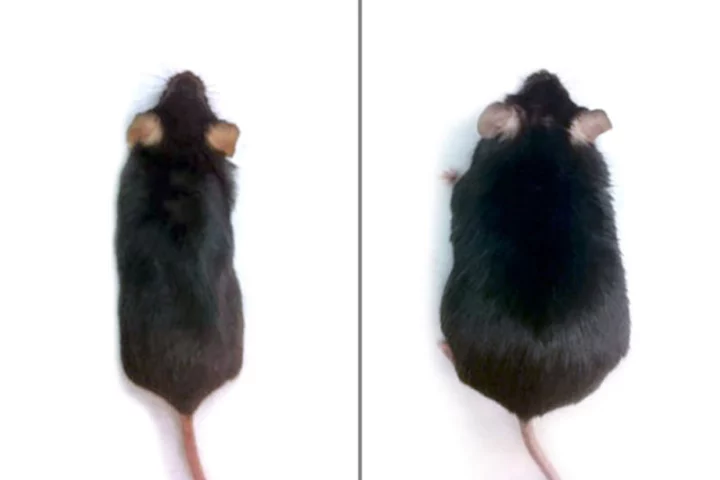 Not getting fat or developing diabetes despite enjoying a high-fat diet is the dream of many a fast-food fan. Although such dreams remain just that for us humans, they've become reality for mice involved in a study at Washington University School of Medicine in St. Louis.
Load More