
Washington State University
-
 Human-woven "beaver dams" do more than store water. They help waterways recover from climate alteration, lower water temperatures, enhance flood plain connections prevent wildfire spread, and generate increased biodiversity.
 -
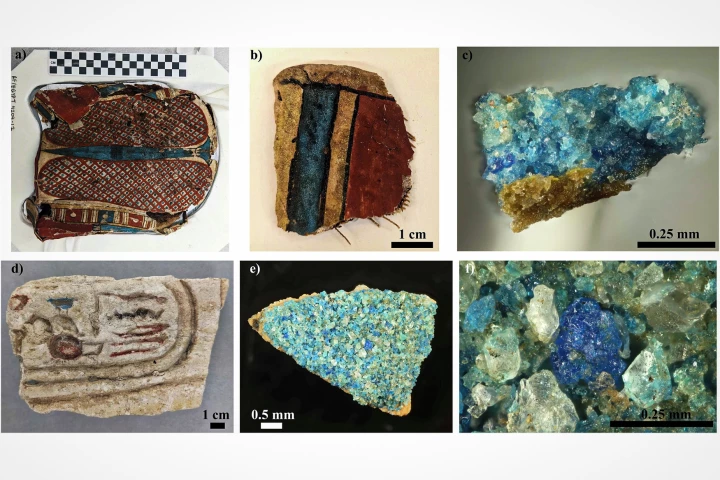 Ancient Egyptians were not only masters of architecture but also wizards of chemistry. Around 5,000 years ago, they crafted the world’s first synthetic pigment, Egyptian blue, and now researchers think they've finally figured out the original recipe.
 -
 Beekeepers in many regions are having a hard time of it, as their honeybees struggle to find enough pollen. Scientists are now addressing that problem with a new nutritional supplement which is described as being like "a PowerBar for bees."
 -
 Recycling wind turbine blades is hard because they're built to weather the elements for decades. Researchers have devised a way to use discarded blades to create strong and durable plastics – without resorting to the use of harsh chemicals.
 -
 A study suggests that a certain salamander may be able to control its grip on trees' bark by pumping blood in and out of the tips of its toes. This strategy could one day be copied in human technology such as prosthetic hands and reusable adhesives.
 -
 While stormwater runoff pollutants in general aren't great for aquatic animals, chemicals from tire particles are particularly harmful to salmon. A study now shows that permeable pavements could keep most of those toxins from ever reaching the fish.
 -
 Researchers have uncovered a brain mechanism that causes 'the munchies' after cannabis use, paving the way for therapeutics to treat appetite disorders like anorexia and obesity and to improve the appetite of patients undergoing cancer treatment.
 -
 While titanium implants such as artificial hips can greatly improve patients' lives, they're also subject to serious bacterial infections. An experimental new antibacterial titanium alloy, however, could make such problems a thing of the past.
 -
 There is a growing body of evidence that points to night shift work being extremely bad for our health. But scientists believe some big, hairy "extreme shift workers" may hold the cellular secrets to staying healthy amid circadian rhythm disruptions.
 -
 A new study has found that a majority of medical cannabis users suffering from insomnia and poor-quality sleep are ditching conventional over-the-counter and prescription sleep aids in favor of using the drug to treat sleep-related problems.
 -
 Normally, staying up for extended time periods leads to the need for extra sleep. But researchers have just found that activating astrocyte cells in mice caused the rodents to stay awake for six hours longer than usual, with no noticeable sleep debt.
 -
 Make all the jokes you want, but the methane emitted in the form of cow burps and farts is actually a major source of greenhouse gas emissions. That could soon change, however, thanks to bacteria found in baby kangaroo feces.
Load More