
Walk
-
 The use of blood-flow restriction cuffs that "hack" your physiology to speed up strength and muscle gains has been growing in popularity. However, researchers have now found that they come with a big downside during use – especially the older you get.
 -
 The simple habit of getting in a daily walk has been shown to have numerous health benefits over the last few years. In a remarkable study, scientists found that taking just 5,000 steps a day can help slow Alzheimer’s disease-related decline.
 -
 Researchers in Switzerland have stuffed a bunch of chips and sensors into socks to help people who suffer from some of the worst symptoms of diabetes – chronic pain and a loss of sensation in the feet that make it hard to walk.
 -
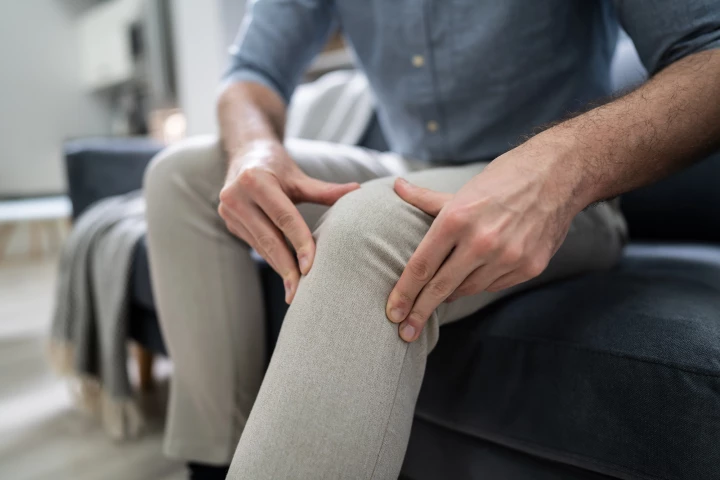 In a review of more than 200 clinical trials, scientists have identified which exercise offers the most benefits in relieving the symptoms of knee osteoarthritis. It's the most comprehensive look at physical activity in treating the condition yet.
 -
 If you were afflicted with a balance disorder, would you rather use a walker or simply wear a backpack? Dutch scientists have developed a special version of the latter, which utilizes two gyroscopes to keep its wearer standing straight and stable.
 -
 The fitness community regularly touts the health benefits of getting in 10,000 steps per day. But a new study says that a good deal fewer steps can still deliver significant benefits, including a 47% reduction in dying prematurely.
 -
 Not all physical activities are created equal when it comes to a good night's sleep. A new study has uncovered the four practices that can significantly help different aspects of sleep disorders, without medical intervention. And they're all free.
 -
 The increase in dog ownership has seen an associated increase in dog-walking-related injuries, which can impose a substantial financial burden on the healthcare system, according to a new study. Helpfully, there are easy ways to avoid injury.
 -
 The simple act of walking every day can significantly reduce a person’s risk of developing chronic low back pain, according to a new study. But, its effectiveness depends on how long you walk for, and the speed at which you walk.
 -
 Scientists have developed smart insoles that accurately measure the forces created when a foot hits the ground in the real world. The tech has a range of applications, from assisting in rehabilitating patients to helping athletes prevent injuries.
 -
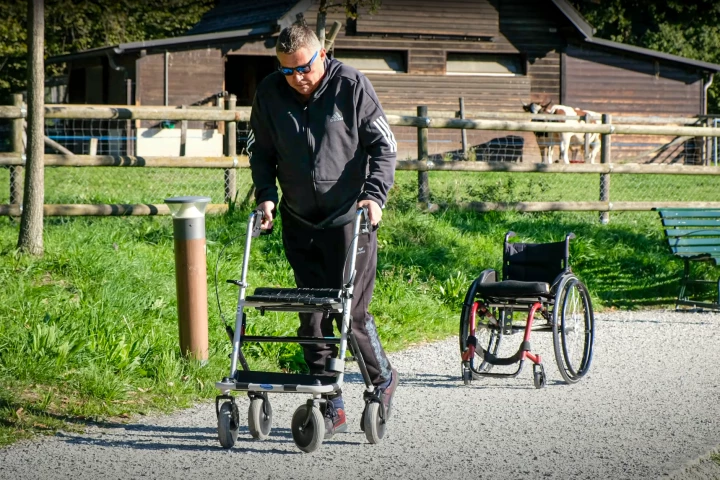 Two patients with spinal injuries have seen improvements in their ability to walk again, thanks to deep brain stimulation. Intriguingly, the therapy targets a region of the brain that normally isn’t associated with motor skills.
 -
 The CyberPad is a compact treadmill designed to fit easily under a standing desk so you can get a workout while working, with an angular design inspired by the “iconic Tesla CyberTruck.”
Load More