
Wake Forest University
-
 A groundbreaking study has mapped dopamine, deep inside the brain, in real time. Surprising researchers, the "pleasure neurotransmitter" is more complex than earlier thought, shaping our brain to make better decisions based on prior experience.
 -
 A new study has provided the first evidence of a link between the gut microbiome and cocaine use and the cravings that follow withdrawal. The findings open the door to potential treatments for drug addiction and relapse prevention.
 -
 Human knees are notoriously vulnerable to injury or wearing out with age, often culminating in the need for surgery. Now researchers have created new hybrid bioinks that can be used to 3D print structures to replace damaged cartilage in the knee.
 -
 A DARPA-funded study has raised the possibility of memory-enhancing brain prostheses. Patients who already had brain implants as part of epilepsy treatment and essentially had their memory played back to them experienced marked improvements to both short- and long-term memory.
 -
 New research has looked at how drinking beetroot juice can improve brain performance in older adults, finding that its consumption before exercise can make it mirror the activity of a younger brain.
 -
 Mayer-Rokitansky-Küster-Hauser syndrome is a genetic condition in which girls are born either without a vagina, or with one that's underdeveloped. Now, however, four young women born with the condition have shown great success with implanted vaginal organs that were grown from their own cells.
 -
 A neural prosthesis has been shown to restore the decision-making ability in monkeys.
 -
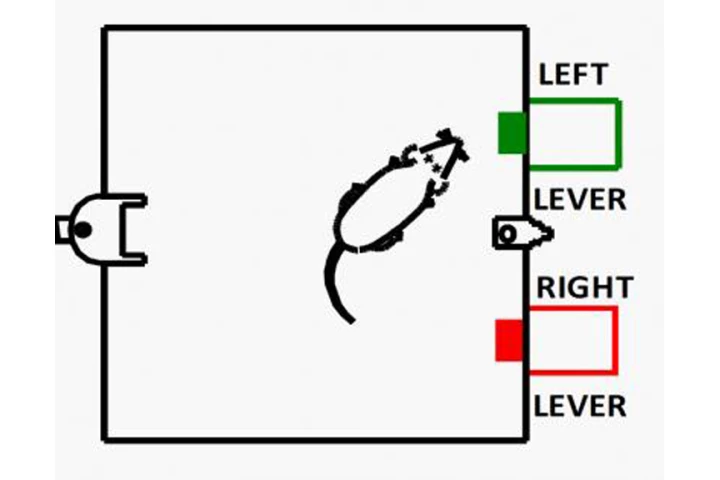 Scientists have managed to replicate the brain function associated with long-term behavior in rats and found a way to literally turn memories on and off with the flip of a switch.
 -
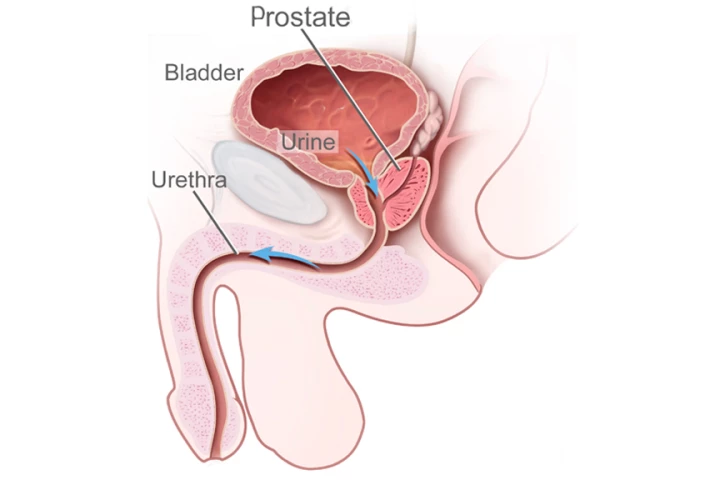 Researchers have reported the world's first successful implantation of urinary tubes grown in the laboratory using the patients' own cells to replace damaged tissue.