
US Army
-
 Heat stroke is one of those things that can really sneak up on a person, potentially resulting in death if not quickly rectified. A new smartwatch-based system is designed to help, by warning its wearer before it's too late.
 -
 What exactly does sleep do to the brain, and how could its benefits be boosted? To investigate, the US Army has awarded researchers a grant to develop a portable skullcap that can monitor and adjust the flow of fluid through the brain during sleep.
 -
 How many cups of coffee do you have a day? It’s not a stretch to say that caffeine is the world’s most popular drug, with 85 percent of American adults consuming the drug in some form every day. But when and how frequently should we be taking a caffeine hit to get the best effect from it?
 -
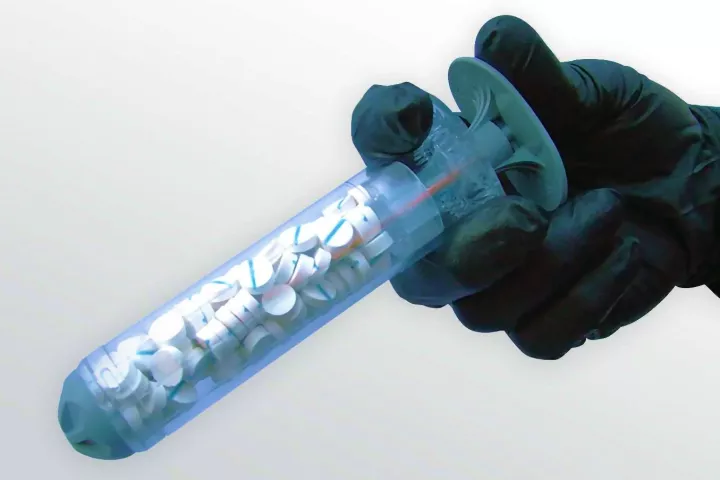 Uncontrolled hemorrhage (bleeding out) is responsible for 80 percent of combat deaths – people die because we can't plug a simple hole. Now RevMedX, a small Oregon startup, has developed an alternative approach to treat such potentially survivable injuries.
 -
 The U.S. Army is deploying personal blast sensors for soldiers to record data from IED attacks.
 -
 The US Army and the US National Football League are cooperating on a project to develop better ways of preventing concussion.
 -
 The FBI, United States Army, and other US agencies are licensing Epic Games' Unreal Engine 3 to develop more realistic training software for their employees.
 -
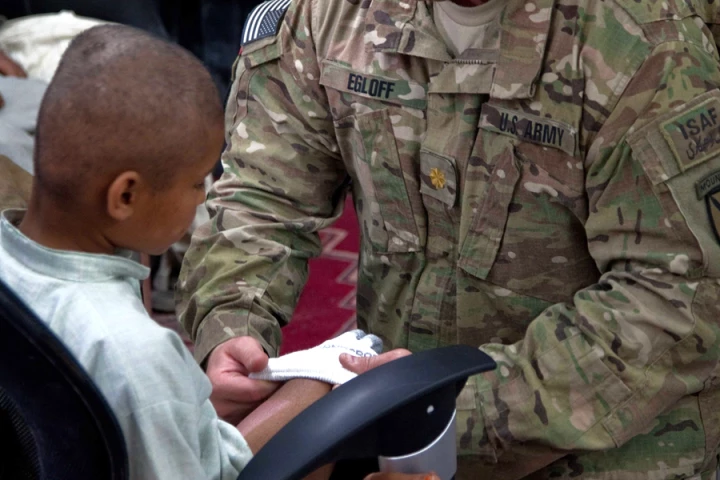 U.S. Army soldiers stationed in Afghanistan have developed a simple prototype prosthetic leg that can be constructed using local resources to allow the victims of IEDs and land mines to get back on their feet quickly and cheaply.
 -
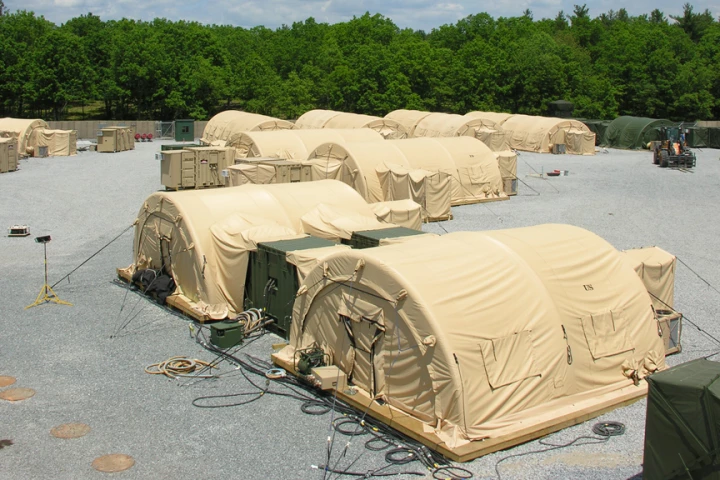 The U.S. Army has opened a System Integration Laboratory (SIL) at Fort Devens, Massachusetts, modeled after forward operating bases in Iraq and Afghanistan to test technologies aimed at creating more energy-efficient base camps.
 -
 Newly-created polymers liquefy and fill in scratches when exposed to UV light, then resolidify once the light source is removed.