
University of Turku
-
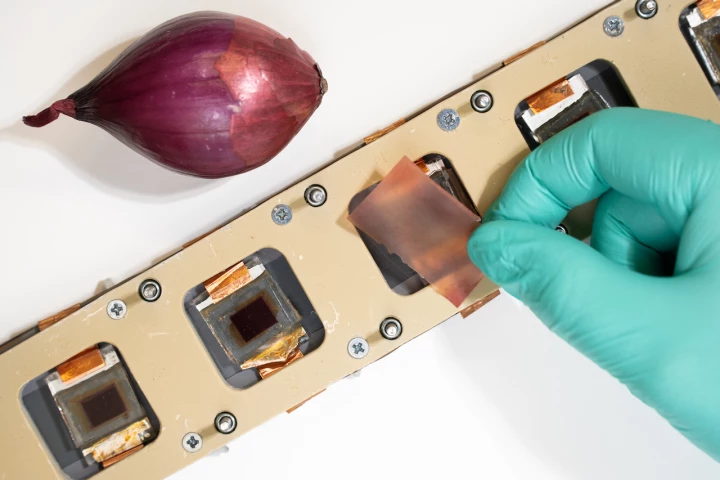 Solar cells are subjected to a lot of harmful ultraviolet light, as they're typically placed for maximum sunlight exposure. A new eco-friendly coating could help protect them from those UV rays, and its active ingredient is extracted from onion skin.
 -
 Being sedentary at work led to lower blood pressure than standing to work for long periods. The findings are from a new study that also found that prolonged standing can be harmful to the heart and circulation.
 -
 Detecting the first stages of heart failure could soon be as simple as placing a smartphone on a patient's chest. That's the conclusion of an ongoing study, which is aimed at developing an app for diagnosing the potentially lethal condition as early as possible.
 -
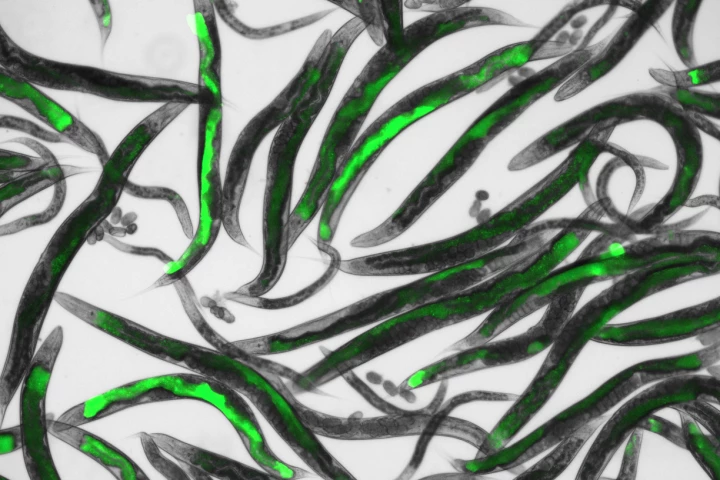 Although the air in our homes or workplaces may seem OK, it might contain harmful compounds emitted by materials like particleboard and carpeting. New research suggests that we may soon be able to tell if that is the case, using tiny glowing worms.
 -
 A study has found it may be possible to predict a person’s risk of dying more than a decade in advance by analyzing their gut bacteria. The research points to a microbial signature associated with an increased risk of mortality across a 15-year follow up.
 -
 Phosphorus has been detected on a comet, thus completing the list of life-essential elements found on these cosmic snowballs. The discovery made in data from the Rosetta probe strengthens the idea that life’s ingredients were delivered to Earth by comets.
 -
 Spiders may seem like they sit on top of the food chain in the bug world, but they’re vulnerable to an even worse fate: parasitic wasps that infect and essentially “zombify” them. And now, researchers have discovered 15 new species of these wasps.
 -
 While there already are materials that change color in response to UV exposure, those color-changes involve reorganization of the material's molecular structure, so it can only be used a few times. A new material known as SensoGlow, however, can be used to detect and measure UVs over and over.
 -
 The most common type of arrhythmia, atrial fibrillation is an irregular beating of the heart that can lead to strokes. And unless an electrocardiogram is being used, it can be difficult to detect. Soon, however, an app may be all that's required to do the job.
 -
 Scientists have recently confirmed that a unique species of monitor lizard, initially described in the early 19th century, is still alive and well on the island of New Ireland. It is said to be "the only large-growing animal endemic to the island that has survived until modern times."
 -
 While swanky tour buses and adoring fans are among the more obvious benefits to being a famous heavy metal musician, there's another benefit that's been appearing in the world of science lately: having flying and crawling creatures named after you.