
University of Pittsburgh
-
 Researchers have devised a biomarker test that can spot small amounts of clumping tau protein in the brain and cerebrospinal fluid, which lead to Alzheimer's Disease. This test can help detect the tangled proteins years early, enabling intervention.
 -
 The itch from bug bites, rashes, and other skin conditions can sometimes be so overpowering that it feels impossible to avoid scratching them. But new research explains why you might want to hold off as long as you can.
 -
 Whether we've watched athletes do it or experienced it ourselves, 'choking' in a high-stakes moment comes down to more than composure. For the first time, scientists have uncovered a set of neurons that fail to do their job when the payoff is greatest.
 -
 Researchers have uncovered the mechanism that causes wounds to heal more slowly in diabetics, putting them at increased risk of infection and other serious complications. They say their findings could offer a new approach to the disease.
 -
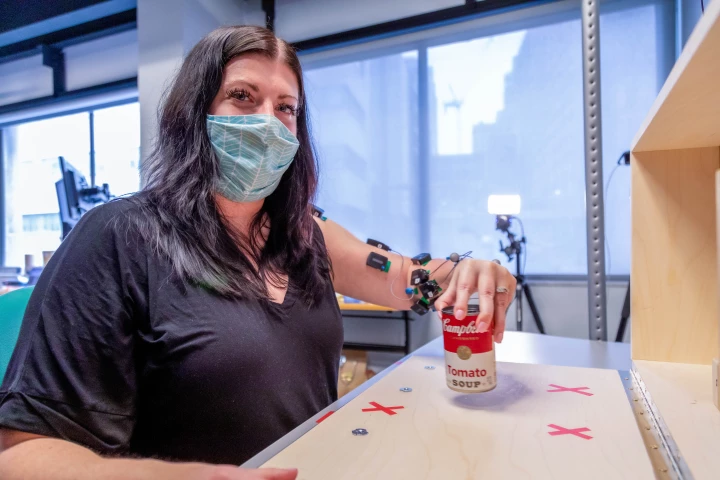 Loss of arm and hand mobility is a common and devastating disability among stroke survivors, but a promising new study shows how cervical spinal cord stimulation could improve limb function and restore quality of life.
 -
 A genetic predisposition to ADHD has been linked to an increased risk of cognitive decline and Alzheimer's disease in old age, according to new research. The findings are the first to associate ADHD genetic risk with age-related cognitive impairment.
 -
 Following successful trials in adults and subsequent FDA approval last year, an emerging obesity drug has now shown promise in overweight adolescents, inducing similar weight loss effects in this younger cohort.
 -
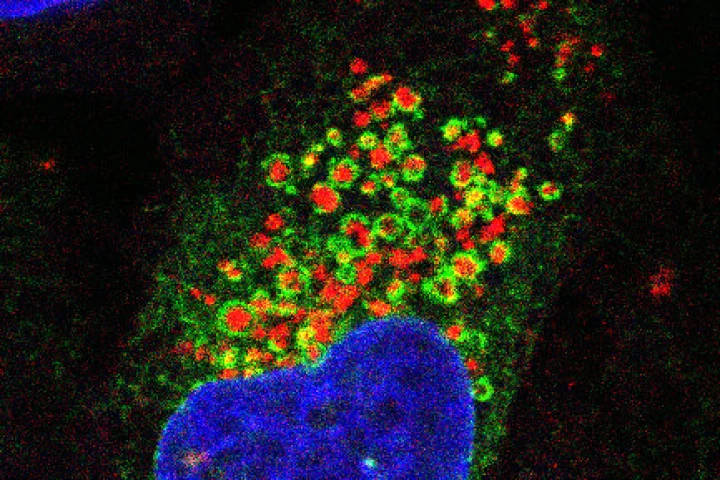 A new understanding of the way lysosomes called organelles repair themselves could help keep cells young and fresh, and offer new ways to stop age-related diseases like Alzheimer's and Parkinson's in their tracks.
 -
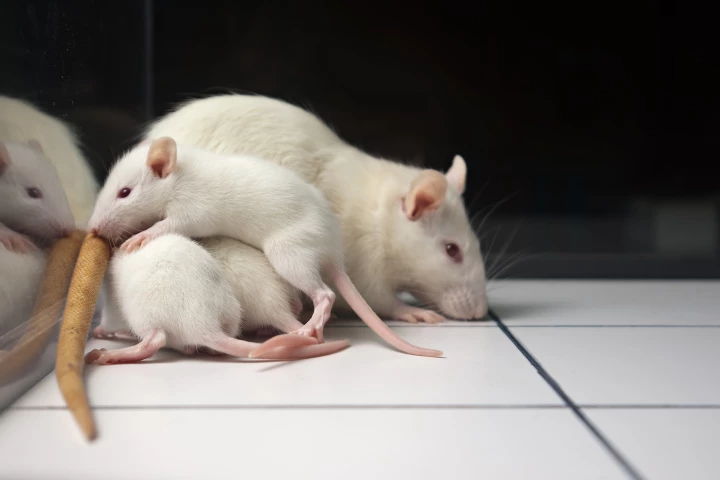 Giving elderly mice blood transfusions from younger mice can reverse some effects of aging. A new study identifies a specific component of young blood that improves muscle repair function lost with time, potentially opening new anti-aging therapies.
 -
 Sometimes, viruses can help us. According to a new study, a combination of antibiotics and a bacteria-killing virus eradicates harmful bacteria better than either one is capable of doing on its own.
 -
 In a major breakthrough for regenerative medicine, scientists have partially restored vision in a blind man using an emerging technique called optogenetics, which enabled the patient to locate and identify objects for the first time in decades.
 -
 A blood test that reveals the severity of brain injuries in hours through a key biomarker was recently approved for clinical use, but researchers are now setting their sights on a point-of-care solution that can deliver results within 15 minutes.
Load More