
University of Oslo
-
 Boosting levels of a certain molecule that declines with age restored the function of hundreds of brain genes and reversed memory loss in Alzheimer’s disease models, fixing the RNA splicing errors that drive damage to critical neurons.
 -
 On the remote Yamal and Gydan peninsulas of western Siberia, the landscape is marked by massive craters that look as though the Earth has blown holes in itself. Now, 12 years after the first one was found, scientists say they know what's causing them.
 -
 Speaking a language with different words for different color shades means the brain perceives those shades quicker than using a language with only one word for that color, highlighting the interaction between language and perception according to a new study.
 -
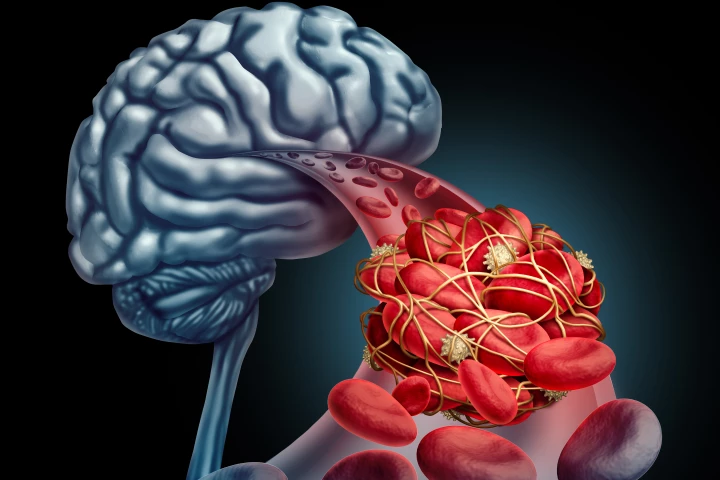 Researchers are proposing a treatment for stroke that involves infusing a blood protein to protect the brain from damage. Early tests in mice indicate if the treatment is given within hours of a stroke occurring it could improve long-term outcomes.
 -
 When you view the image above, does it look like black smear in the center is expanding? If it does, that means you're like most people – and your brain may even think that you're entering a tunnel, adjusting your eyes accordingly.
 -
 If you enjoy moving your hands as if you're conducting a piece of music that you like, then SoundTracer may be right up your alley. The experimental new iOS app allows you to find a song within a digital library, by "drawing" that music in the air with your phone.
 -
 To survive through winter in the freezing, oxygen-starved waters of northern Europe, crucian carp and goldfish produce their own alcohol internally, removing dangerous chemicals from their bodies and getting nicely sauced along the way. Now, researchers have worked out how they do it.
 -
 Norwegian scientists are developing a capsule that they say will be able to transmit live HD video from within a patient's digestive tract.
 -
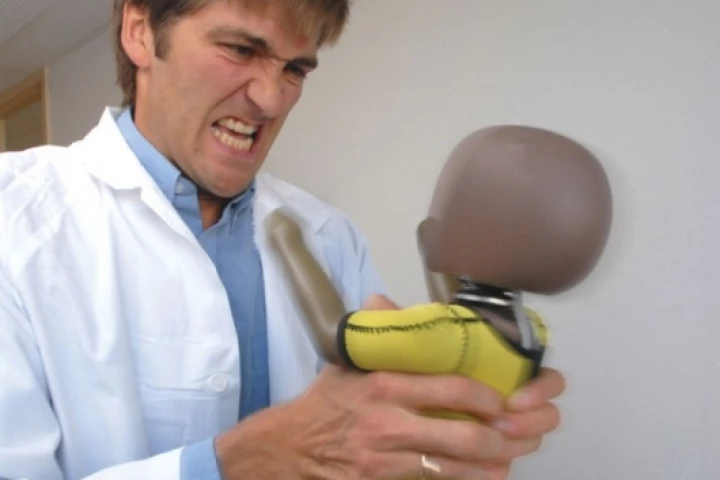 Researchers in forensic medicine at the University of Oslo are learning more about brain injuries in infants caused by shaking with the assistance of a very high-tech doll.