
University of Notre Dame
-
 Smartwatches can help improve our health and fitness. But a new report says it's important to consider what kind of bands we put on them, as several popular brands were found to contain high levels of a class of chemicals linked to health issues.
 -
 Scientists have discovered a new type of cell in the heart. The cells, now named nexus glia, seem to help regulate heart rate and rhythm, and the team says they may unlock new understandings of some heart defects and diseases.
 -
 Although mosquitoes certainly do go after people during daylight hours, they're most active once the sun goes down. Therefore, if an "artificial sun" were to then come up, would that cause them to bite less throughout the night? According to a new study, the answer is Yes.
 -
 Compared to cancer, influenza may sound harmless but as various reports have shown, it can be fatal, even for the healthy. A swift diagnosis can make all the difference and scientists have come up with an easy and novel way to spot the virus: a glow test.
 -
 Researchers have found another reason to try to keep your Mac attacks at bay. Grease-resistant wrappers treated with the same chemicals used in stain-resistant products like carpets were found in significant numbers at a variety of fast-food restaurants. And they can leach into your food.
 -
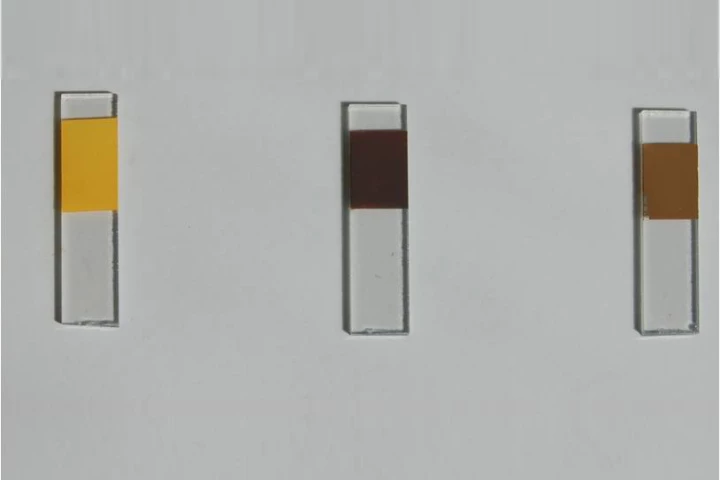 A team of researchers at the University of Notre Dame is reporting the creation of a "solar paint" that could mark an important milestone on the road to being able to paint building exteriors in solar cells.