
University of Leeds
-
 Researchers have discovered that limiting a certain enzyme can have a dramatic impact in protecting against the effects of Alzheimer's disease. The finding could lead to a new class of drugs that fight the disease.
 -
 The industrial sector is responsible for about 25% of global CO2 emissions – or about 9.3 billion metric tonnes per year and growing. But a team at the University of Leeds says we don't need to wait for magical new tech to clean most of it up.
 -
 Our Sun is capable of terrifying outbursts – and now scientists have discovered evidence of its biggest tantrum on record. Tree rings dating back 14,000 years contain a radiocarbon spike twice as powerful as the previous biggest known solar storm.
 -
 Using an artificial tongue, researchers figured out just why chocolate feels so good in our mouths. They say it all comes down to when the fat is released, which could lead to a healthier chocolate bar that still delivers all the joy.
 -
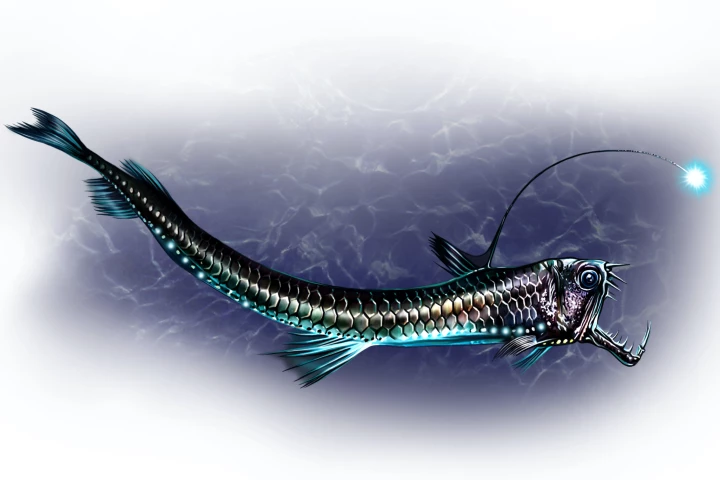 Ever wonder how deep-sea fish are able to survive in an environment where the water pressure would kill us humans? Well, the secret lies in a chemical that occurs naturally in their cells – and we now have a new understanding of how it works.
 -
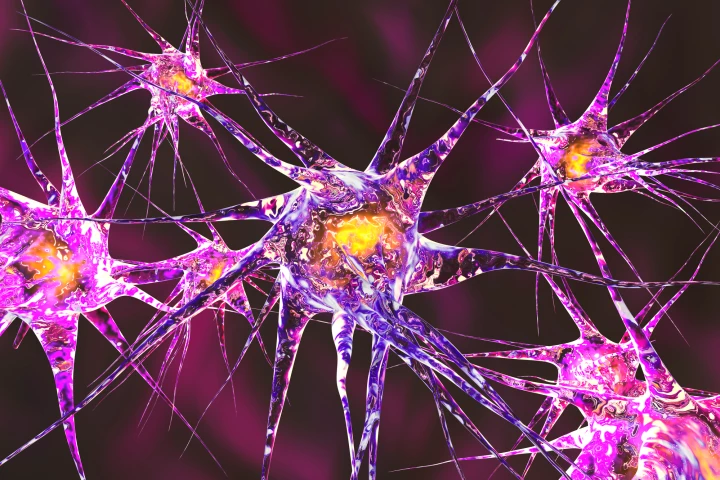 An intriguing study is proposing an innovative method to treat age-related memory loss. The preclinical research shows memory decline in aging mice can be reversed by manipulating the composition of structures in the brain known as perineuronal nets.
 -
 Geologists have discovered a new type of rock. While drilling deep into the seafloor, a team of scientists found a new form of basalt vastly different from any other on Earth, and the planet hasn’t produced any more of it for millions of years.
 -
 How life got started on Earth is one of science's most profound mysteries. Now scientists have found that lightning strikes could have contributed a key ingredient, which suggests it could be easier than we thought to spark life on other planets.
 -
 The giant iceberg A-68A that is threatening the island of South Georgia in the South Atlantic has split into three pieces and is thinning by one inch per day. If the bergs run aground they could cause considerable environmental damage.
 -
 A new study is presenting a robust hypothesis to explain how a parasitic infection can alter behavior. The research provides new insights into how neurophysiological changes influence behavior, and points to novel therapeutic research targets.
 -
 While we have heard about "electronic tongues" before, most of them have been flavor-assessing sensors that didn't look like actual tongues. Such is not the case with a new biomimetic tongue, however, which could have some interesting applications.
 -
 A new study mapping the movement of plastic waste has projected that 1.3 billion tonnes of it will be dumped on land and in the oceans by 2040, unless some significant steps are taken to address the trend.
Load More