
University of Glasgow
-
 Avian influenza viruses have a gene that makes them incredibly resistant to heat, rendering our body's natural defense system – fever – powerless in fighting infection. In fact, higher temperatures actually help those bird-derived bugs replicate.
 -
 In a large study, the drug leading the charge in anti-aging science has shown to be just as effective in protecting cells and cognitive function as cutting calories or intermittent fasting. It's the most comprehensive study of rapamycin yet.
 -
 People with photosensitive epilepsy could soon be able to watch TV without worry. Scientists in the UK have created glasses that can block out specific wavelengths of light known to cause seizures.
 -
 Brain parasites are something that most people would naturally want to avoid, but maybe they can be used for good. A new study has found that a common brain parasite could be engineered to deliver drugs past the blood-brain barrier.
 -
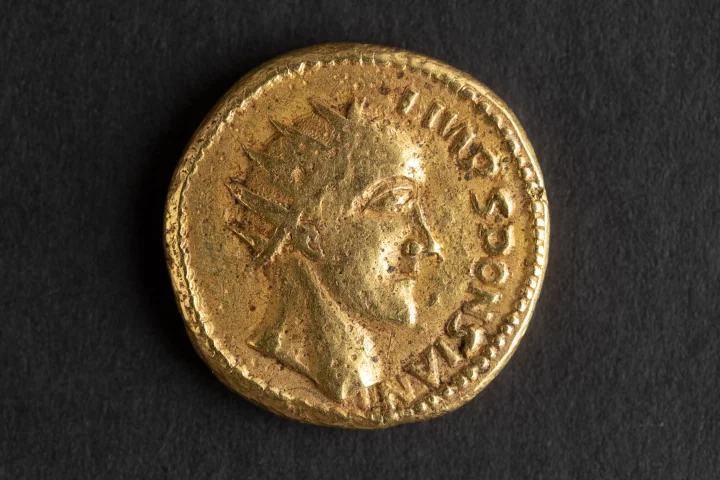 History is full of artifacts that later turn out to be fakes, but occasionally the opposite can happen. New analysis of ancient Roman coins long dismissed as forgeries has found they seem to be authentic, revealing a previously unknown Roman emperor.
 -
 In order to stay warm on frigid winter days, small birds may do more than just fluff up their feathers. According to new research, they're actually able to make their blood run hotter, creating a sort of central heating system.
 -
 In an experiment, scientists at the University of Glasgow have confirmed a half-century-old theory previously thought impossible to test, which claims a super-advanced alien civilization could use a black hole as an energy source.
 -
 A newly discovered microbe identified in wild mosquito populations in Kenya has been found to protect the insects from malaria infection and could be recruited for malaria control strategies to limit transmission of the disease into human populations.
 -
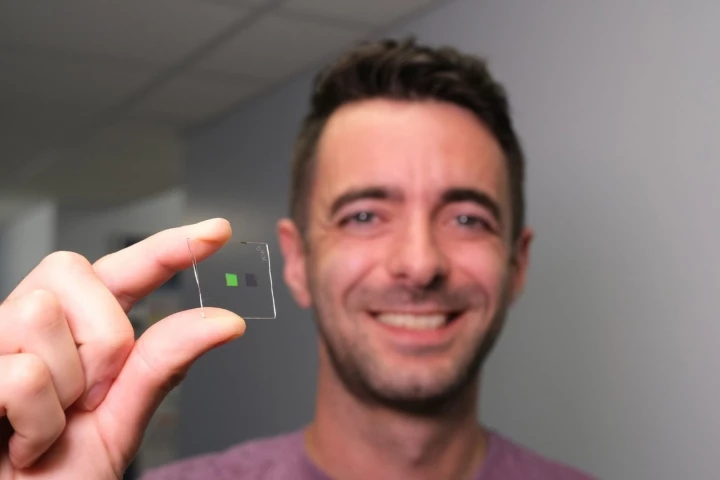 A tiny artificial tongue which can identify individual whiskies by taste has been invented by a team of Scottish engineers . The device could mean big things for drink makers wanting to ensure a consistent product, and protect their precious brands from counterfeiters at the same time.
 -
 Quantum entanglement, where two objects become intertwined and remain so no matter the distance that grows between them, is a tricky phenomenon to study let alone photograph. But scientists doing the former have now managed the latter, for the first time ever.
 -
 A high-tech drill originally slated for use on Mars is heading for Antarctica. The drill is on its way to a British Antarctic Survey research station, where it will be used to drill deep under the ice cap to help gain a better understanding of Earth's climate history.
 -
 Scientists have developed a small handheld device that can scan for biomarkers to quickly and easily diagnose people with certain diseases and illnesses. Inspired (as always) by Star Trek’s tricorder, the new “multicorder” is designed to help doctors track illness from just about anywhere.
Load More