
University of Connecticut
-
 A fermented food that has been a staple on plates in Korea for thousands of years has gone global in the past decade, with new research revealing that kimchi can naturally lower triglycerides and blood pressure and regulate fasting glucose levels.
 -
 Scientists fed fruit flies a diet to make them extra plump. In their old age, the researchers put them on a diet and found remarkable results. If the findings transfer to humans, it might mean we can improve our health at any age by cutting calories.
 -
 Researchers have tackled the ‘Are eggs good for us?’ debate in a new way. Adopting a broader approach than previous studies, they found that, overall, eating whole eggs improved the health of young adults.
 -
 A new design for a deep brain stimulation implant could greatly improve the experience of living with these devices, by using integrated triboelectric generators to convert a user’s breathing movements into electricity.
 -
 A torn rotator cuff can be debilitating enough on its own, but unfortunately once such an injury has occurred, it's more likely to happen again. An experimental new mesh could help keep that from happening, thanks to tiny pieces of graphene.
 -
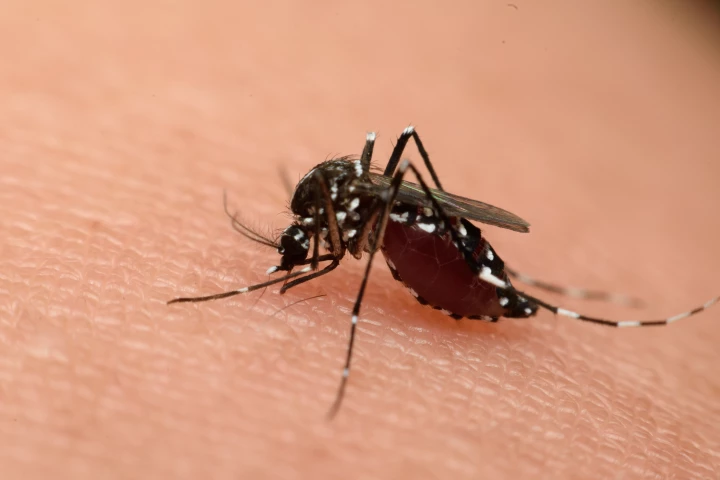 Researchers have discovered how some viruses can alter the smell of their host in order to attract mosquitoes. A study found dengue and Zika viruses can alter a host’s skin microbiome to enhance the volume of odor molecules that draw in mosquitoes.
 -
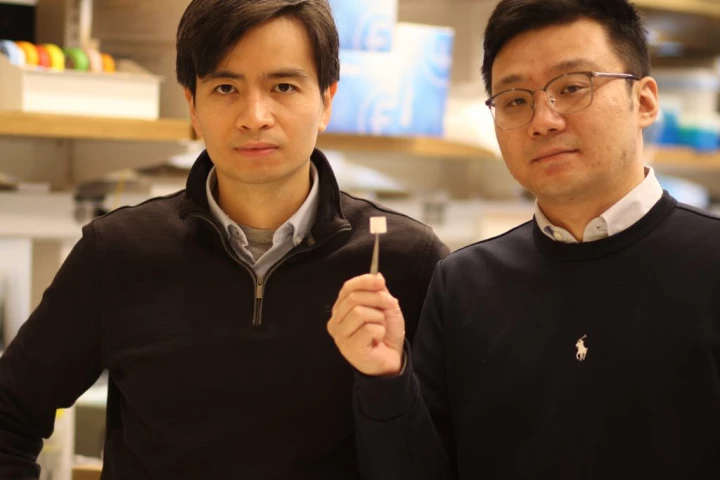 By stimulating cells to reproduce, electricity has already been shown to help heal soft tissue injuries. Now, an electricity-producing implantable material likewise appears to boost the regrowth of cartilage in compromised joints.
 -
 A new study has explored how damaged, lingering cells called senescent cells can negatively influence the behavior of fat cells, and demonstrated how their removal can alleviate diabetes symptoms in obese mice.
 -
 Studies have already shown that electrical stimulation helps heal wounds, including broken bones. Scientists have now developed what could be a better way of delivering electricity to such bones, in the form of a biodegradable implant.
 -
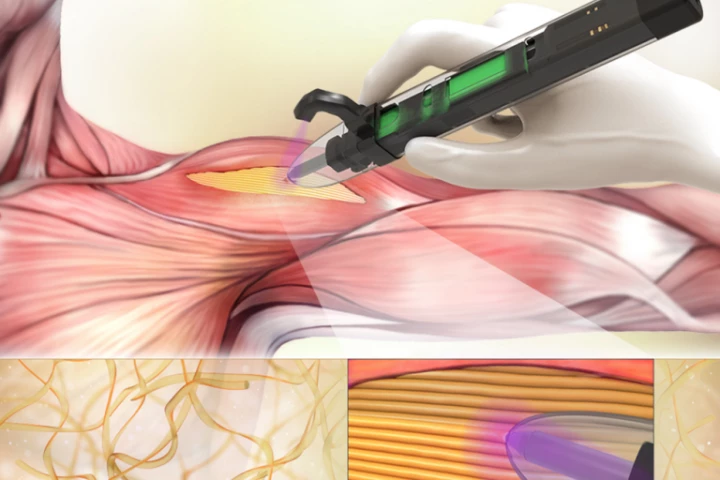 When someone suffers a loss of skeletal muscle, it can be very difficult getting new muscle to grow in its place. A new handheld device is designed to help, however, by directly depositing scaffolding within the patient's body.
 -
 The treatment of chronic wounds often involves the application of different medications, at different stages in the healing process. A new electronic bandage could allow this to happen, but without having to be removed for each application.
 -
 For several years now, we've been hearing about "microneedle patches" that deliver medication less painfully and more safely than hypodermic needles. A new take on the technology may allow them to work even better, by copying the structure of venomous snakes' fangs.
Load More