
University of Bath
-
 The “trophy wife” trope has been given a modern twist. New research shows that after the wedding, beauty-for-status becomes a two-way street, with both husbands and wives adjusting their looks as income power shifts.
 -
 A first-of-its-kind study has found that recognizing – and using – personal strengths is linked with better physical and psychological wellbeing and fewer mental-health challenges in adults with attention-deficit/hyperactivity disorder.
 -
 Input devices such as computer mice may be rigid for now, but thanks to new hydraulic haptic tech they could someday be soft n' squishy. And that's not all … they may also "throb" in our hand to provide tactile feedback as we use them.
 -
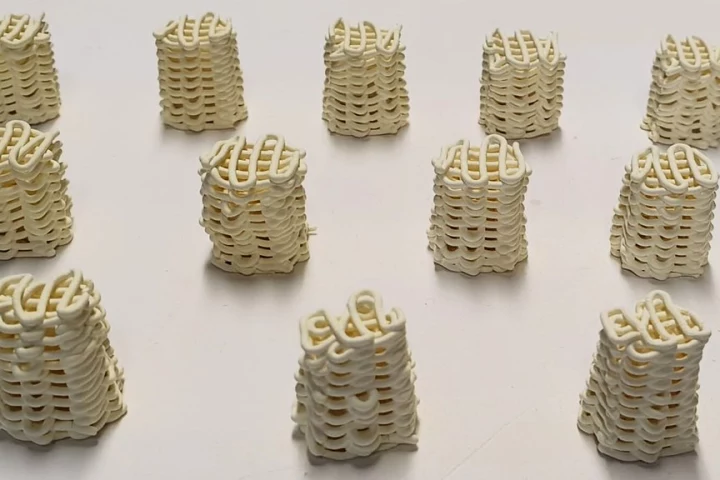 Scientists have developed a new method for removing toxic “forever chemicals” from wastewater. 3D-printed ceramic lattices can remove up to 75% of PFAS from polluted water in three hours – and the structures get better at their job as they’re reused.
 -
 An experimental new forensic spray allows latent fingerprints to be made visible in just 10 seconds, plus it doesn't require the use of any messy powders. What it does incorporate, however, is a glowing protein that's obtained from jellyfish.
 -
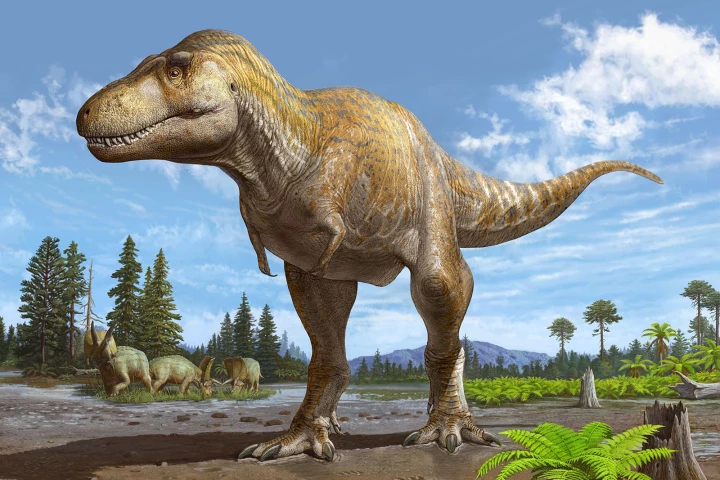 If T. rex is too mainstream, discerning 10-year-olds may now have a new answer when asked their favorite dinosaur – Tyrannosaurus mcraeensis. The newly identified species appears to be more primitive than its famous cousin, but just as big and scary.
 -
 The debate rages on about the identity of fossils of small tyrannosaurs. A new study claims to have found evidence that a mini tyrannosaur species stomped around alongside its famous, giant cousin – but other scientists aren’t convinced.
 -
 Breathing exercises – in which a person takes slow, deep breaths – have been shown to reduce stress and anxiety. Focusing on breathing in this manner can be difficult, however, which is where the PAWS "breathing ball" is designed to come in.
 -
 Paracetamol and ibuprofen are among the world’s most common painkillers, but manufacturing them requires crude oil. Now, researchers have developed a more sustainable method, creating the drugs out of waste products from the paper industry.
 -
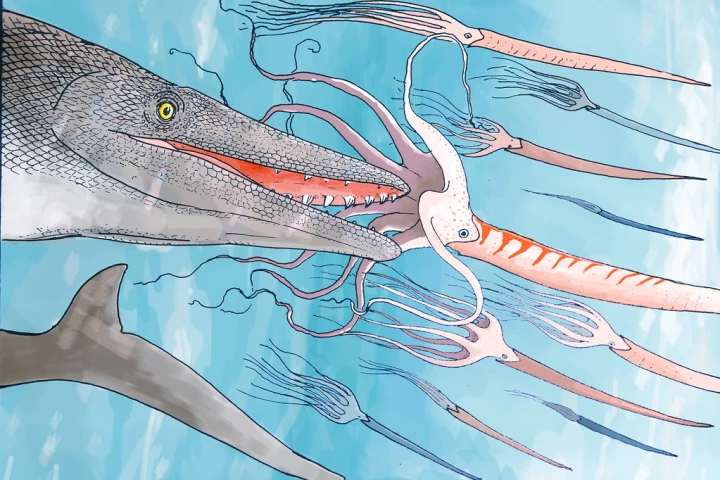 Scientists have discovered a new species of mosasaur, a giant sea-dwelling lizard that dates back to the age of the dinosaurs, in Morocco. Stelladens mysteriosus differs from other mosasaurs because of its unique, star-shaped teeth.
 -
 While many people have long hoped that the Loch Ness monster is a plesiosaur, skeptics have pointed out that plesiosaurs lived in the ocean. New research, however, now suggests that some of the creatures may have inhabited freshwater rivers.
 -
 Misfolding proteins are considered key players in the development of Parkinson's disease, and scientists at the University of Bath have now developed a promising new weapon against them in the form of finely engineered peptide.
Load More