
Ultraviolet
-
 And now for a spot of good news for our planet: the protective layer of ozone continues to heal, with the hole in our stratospheric shield having shrunk to a smaller size in 2024 than in the period between 2020-2023.
 -
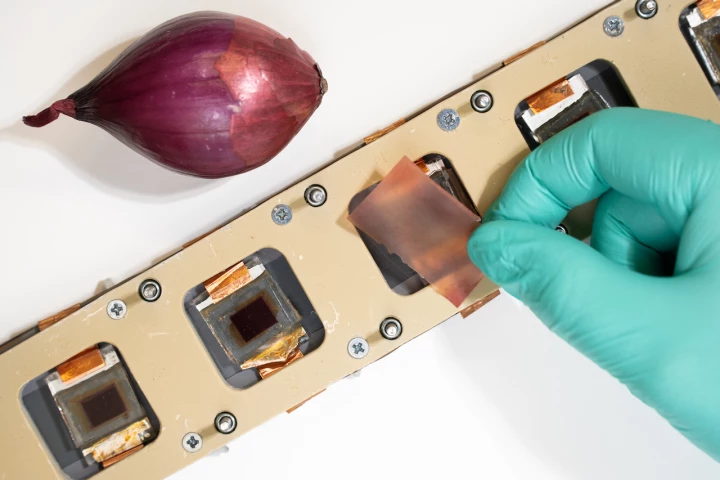 Solar cells are subjected to a lot of harmful ultraviolet light, as they're typically placed for maximum sunlight exposure. A new eco-friendly coating could help protect them from those UV rays, and its active ingredient is extracted from onion skin.
 -
 Astronomers have watched a supermassive black hole take two bites of a star, and predicted when it might go back for a third. If it does, this should make for an intriguing stellar light show.
 -
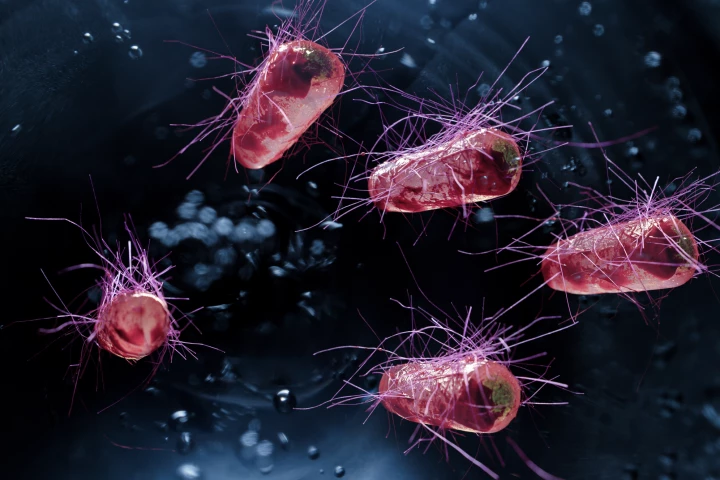 It's ironic that in places where drinking water needs to be checked for microbes the most, labs that can perform the analysis are least likely to be present. A new "lensless" device could help, as it uses light to detect harmful microorganisms.
 -
 A pigment molecule in cephalopod skin has had its antioxidant and sun-protection properties harnessed, inspiring the first ultra-protective, skin-restorative and environmentally safe sunscreen of its kind. And it could revolutionize the skincare world.
 -
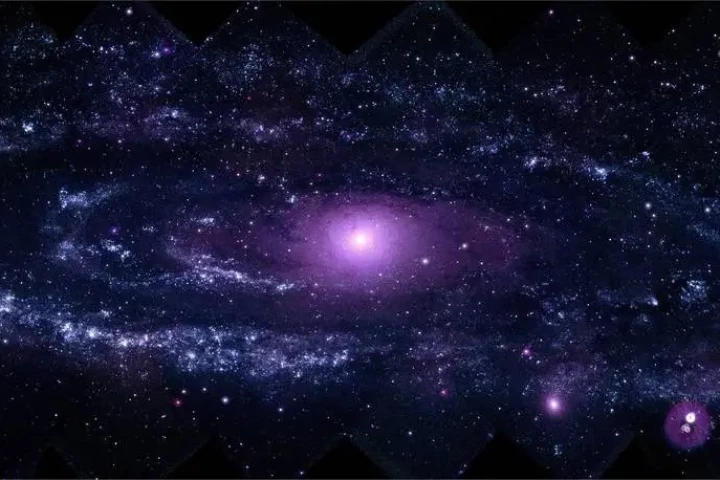 NASA has officially selected a new mission – the Ultraviolet Explorer, or UVEX. By scanning the skies in UV light, it will be able to study the hottest objects and fleeting events like supernovae, and create a detailed new map of the cosmos.
 -
 It’s easy to forget that most animals don’t see the world the way humans do. In fact, many perceive colors that are invisible to us. But now, for the first time, scientists have found a way to capture footage as seen by animals, and it's mesmerizing.
 -
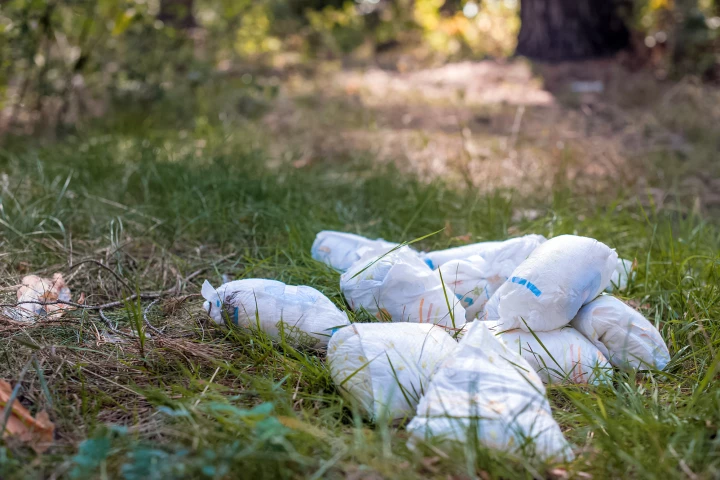 Disposable diapers are a huge source of global waste, largely because they're difficult to recycle. A new process, however, could salvage the "superabsorber" polymer utilized in the liners of those diapers – and yes, even if they're soiled.
 -
 When Captain Kirk stepped out with a tricorder in hand in Star Trek in 1966, the data sensing, scanning and analyzing gadget seemed a rather useful but far-in-the-future piece of technology. With the Swift Ray 1, we're a step closer to its reality.
 -
 Indian scientists have developed a groundbreaking method to extract keratin and melanin from discarded hair, opening up possibilities for their use in wound dressings and sunscreens.
 -
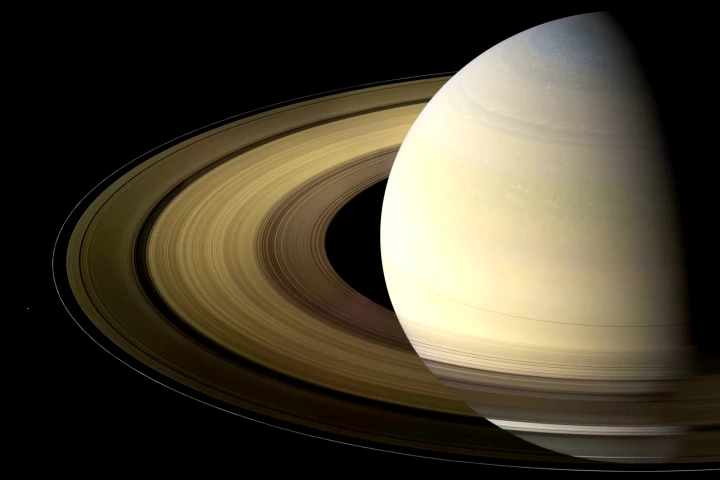 Saturn is renowned for its rings, easily visible through an ordinary telescope. Now, using observations collected over 40 years, scientists have discovered a never-before-seen interaction between the planet and its iconic rings.
 -
 PFAS are insidious pollutants thanks to their ubiquity, long life and a growing list of linked health concerns. But now researchers at UC Riverside have developed a new method to break them down more effectively, using hydrogen and UV light.
Load More