
Ultra-violet
-
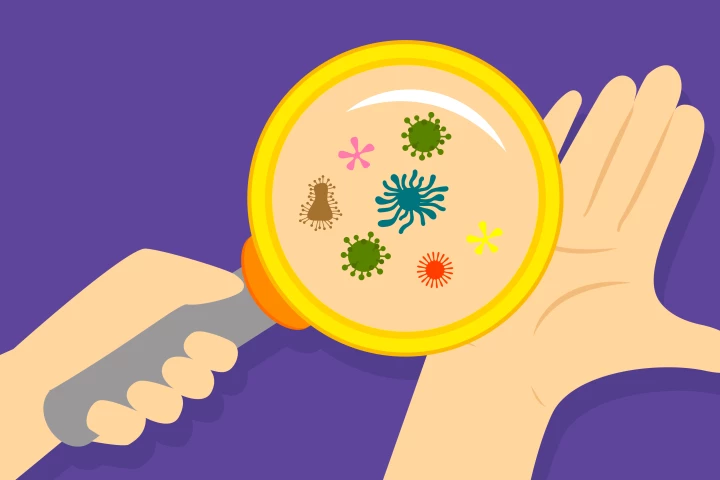 A study has described how certain bacteria living on our skin can act as microbial sunscreen, protecting us from harmful UV rays. These microbes neutralize UV-induced immune changes, offering a natural defense against the damaging effects of sunlight.
 -
 Astronomers have watched a supermassive black hole take two bites of a star, and predicted when it might go back for a third. If it does, this should make for an intriguing stellar light show.
 -
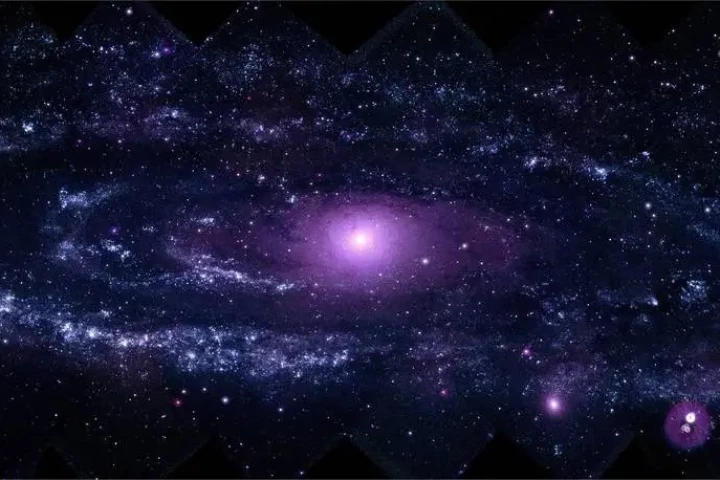 NASA has officially selected a new mission – the Ultraviolet Explorer, or UVEX. By scanning the skies in UV light, it will be able to study the hottest objects and fleeting events like supernovae, and create a detailed new map of the cosmos.
 -
 It’s easy to forget that most animals don’t see the world the way humans do. In fact, many perceive colors that are invisible to us. But now, for the first time, scientists have found a way to capture footage as seen by animals, and it's mesmerizing.
 -
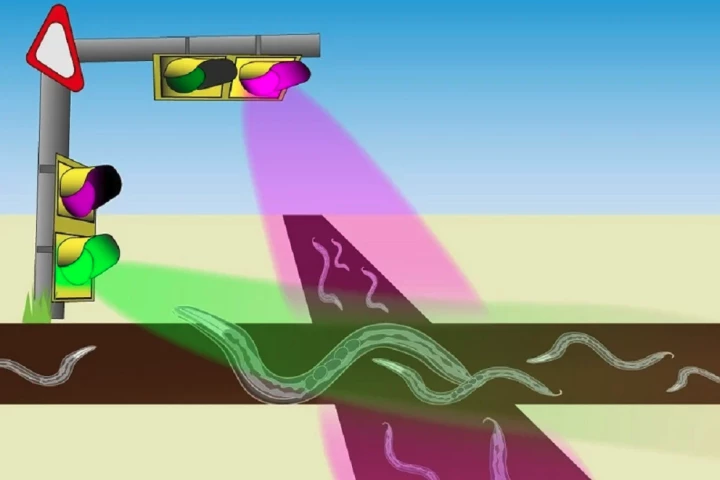 Scientists in Japan have demonstrated a technique that allows them to remotely control the movements of worms. By implanting light-sensitive proteins into the organisms, the team was able to make them move under green light and stop under UV.
 -
 Astronomers have discovered the most distant object ever seen – a strange galaxy some 13.5 billion light-years away. Named HD1, the galaxy may house a never-before-seen population of stars, or a supermassive black hole mysteriously ahead of its time.
 -
 Climate change can feel inevitable, but we’ve stepped up to the challenge before. New modeling shows how bad things would be if CFCs hadn’t been banned decades ago – depleted ozone would've increased UV exposure and stopped plants capturing carbon.
 -
Computer keyboards have been found to be home to worrying amounts of harmful microbes, but Vioguard believes its new self-cleaning keyboard offers a possible solution.