
UAV
-
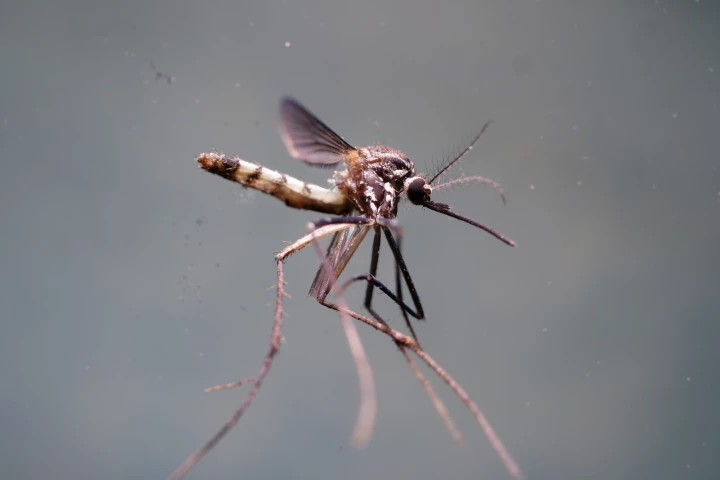 Researchers have taken inspiration from a mosquito's ability to fly and land in the dark to develop a new collision-avoidance sensory system for drones that mimics the insect's ability to use airflow to detect obstacles.
 -
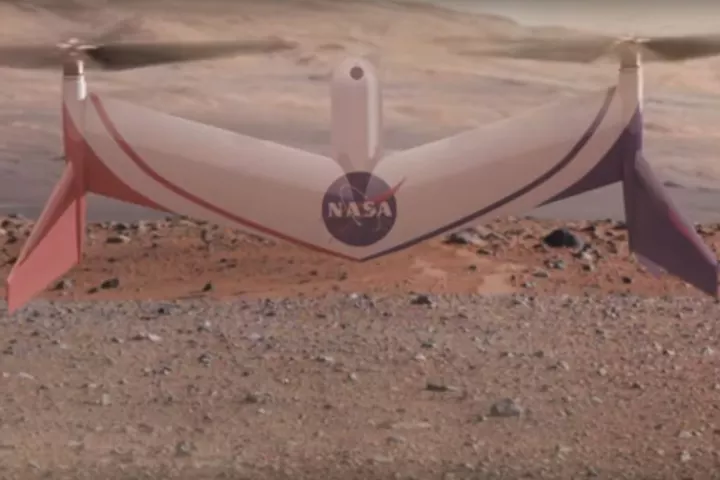 Using rovers has done wonders to open up Mars exploration, but traveling at a rate of about 10 mi (16 km) every four and half years is still a bit limiting, so NASA is looking at expanding that range by equipping future missions with autonomous aerial drones.
 -
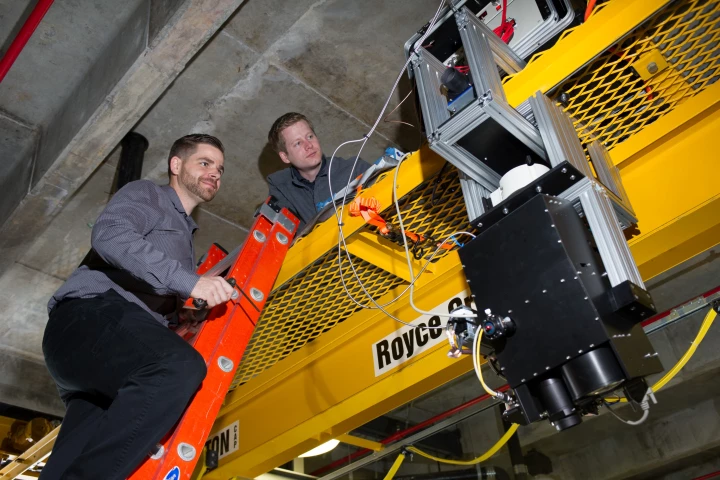 When an organization sets out to map the sea floor, it will typically use a device known as a bathymetric lidar. A team at Georgia Tech has now developed a cost-effective new system that they claim could lead to much smaller, more efficient bathymetric lidars, capable of being carried by a UAV.
 -
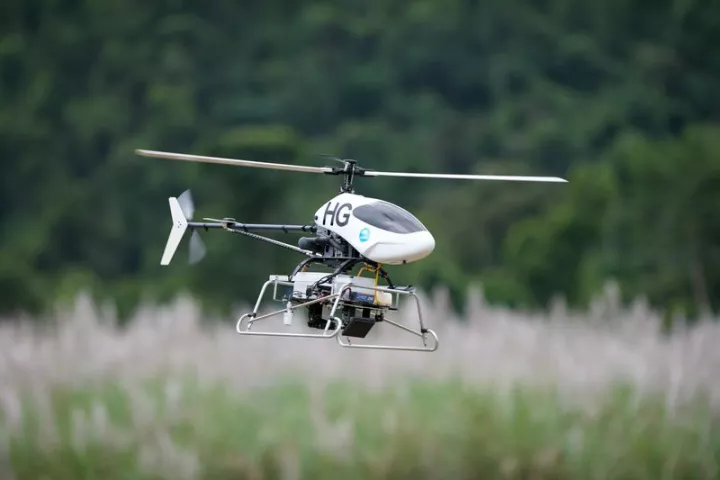 The sheer density of the rainforests in Australia's far-north can create a complex task for local conservationists. Now researchers have developed two mini helicopters capable of hunting down dangerous weeds from the air, significantly reducing the resources needed to preserve local plant life.
 -
 UK based New Wave Energy aims to put aerial power plants in the sky with unmanned energy harvesting drones. The aim is to produce 400 MW of power, with networks of thousands of drones that can harvest both solar and wind energy and transmit it wirelessly to receiving stations on the ground.
 -
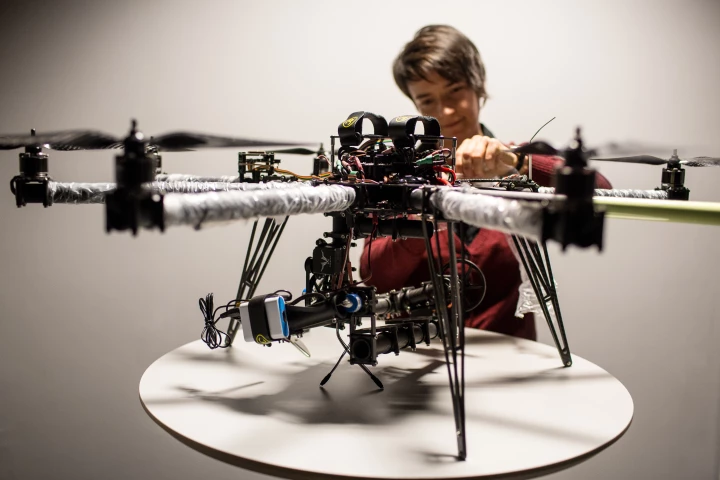 Norwegian researchers are working on using UAVs to seek oil deposits from the air.
 -
 Analysis of the way a goshawk flies through cluttered forests has revealed a critical safe speed that suggests a roadmap for next-generation UAV research.