
TU Wien
-
 Atomic clocks are our most accurate timekeepers, losing only seconds across billions of years. But nuclear clocks could steal their thunder, speeding up GPS and the internet. Now, scientists have built and tested the first prototype nuclear clock.
 -
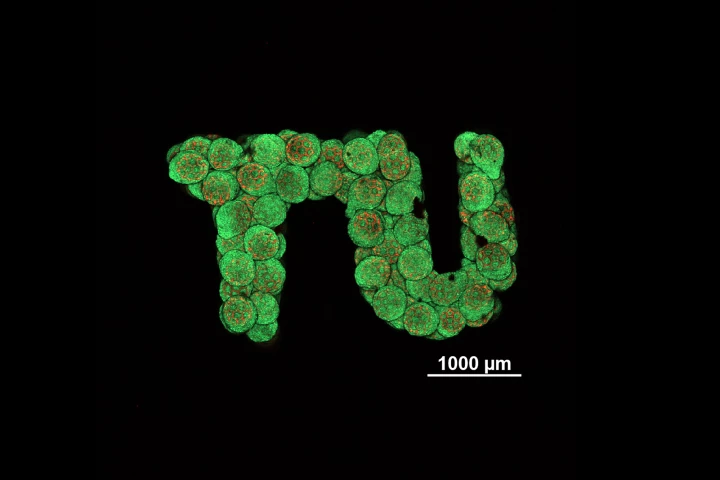 Researchers at TU Wien have developed a new way to grow cartilage from stem cells and guide it into basically any shape required. The breakthrough could lead to better ways to patch up injuries.
 -
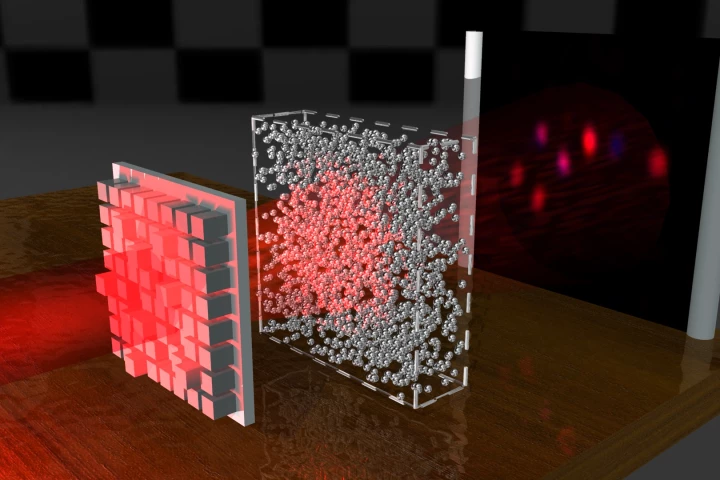 Clouds or sugar cubes block light because they’re disordered media that scatter light waves. Now scientists have found a way to manipulate light waves to pass through, projecting an image on the other side as clearly as if the obstacle wasn’t there.
 -
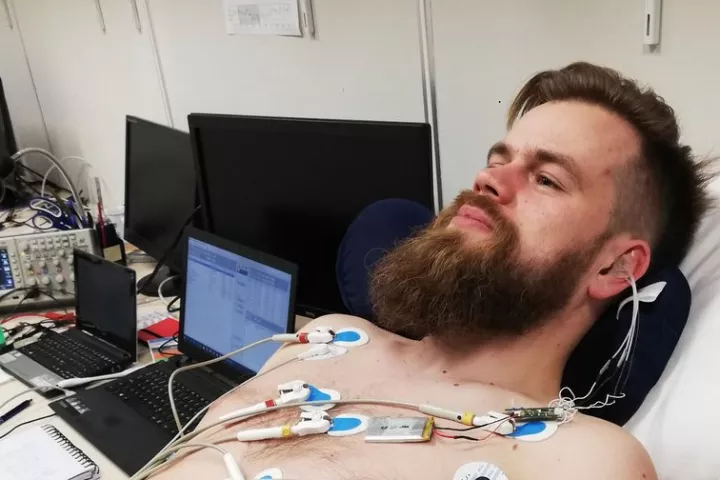 As some readers may already know, in-ear stimulation of the vagus nerve can help relieve pain in other parts of the body. Thanks to new research by Austrian scientists, such treatments could soon be more effective than ever.
 -
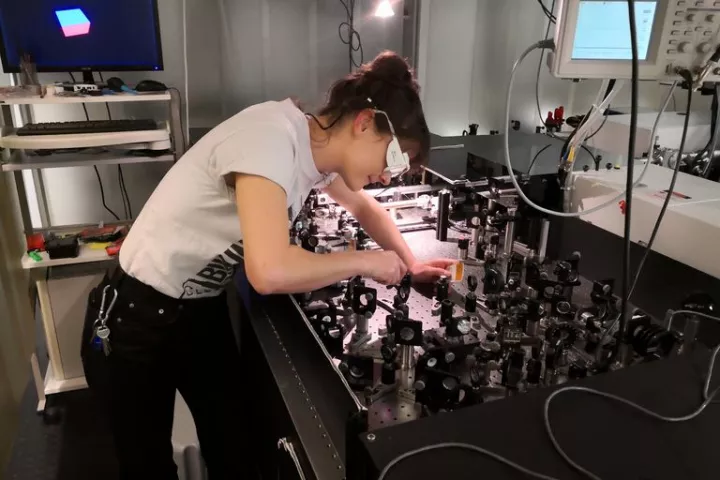 Terahertz radiation is extremely useful but, traditionally, tricky and expensive to generate. Scientists at TU Wien have come up with a new source of terahertz radiation that they claim breaks records for efficiency and the breadth of its spectrum.
 -
 As tiny as they are, there's a relatively large amount of empty space inside an atom. Now, scientists from Austria and the US have filled in some of those gaps, creating a new state of matter in the form of "giant atoms" filled with other atoms.
 -
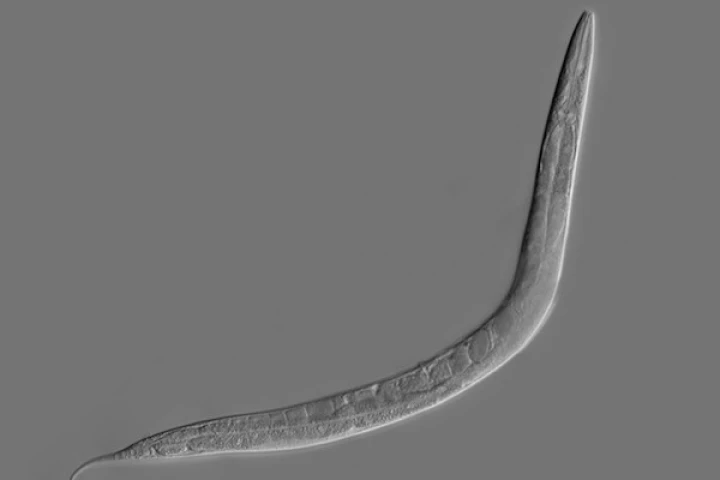 The human brain is a beast of a computer, but before we can emulate that we’ll need to start with something simpler. C. elegans is a worm whose basic brain of only 302 neurons has been digitized. Now researchers have taught this virtual worm a new trick, without writing a single line of code.