
TU Graz
-
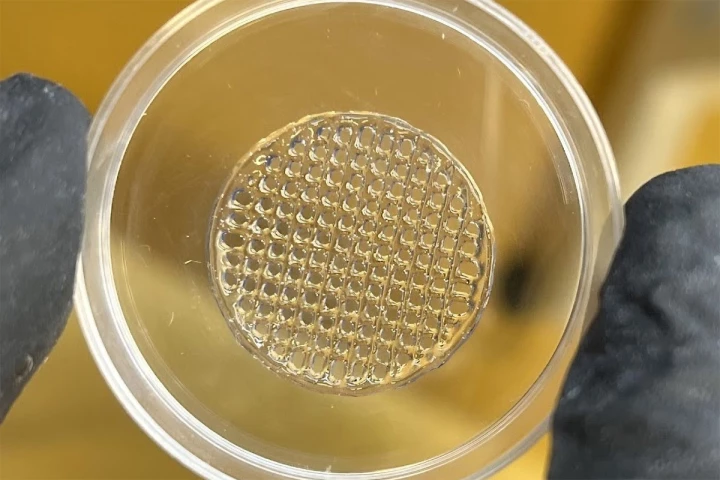 While we're making progress in phasing out animal testing in the cosmetics industry around the world, there's still a ways to go in developing reliable alternatives. 3D-printed 'imitation skin' could be the ticket.
 -
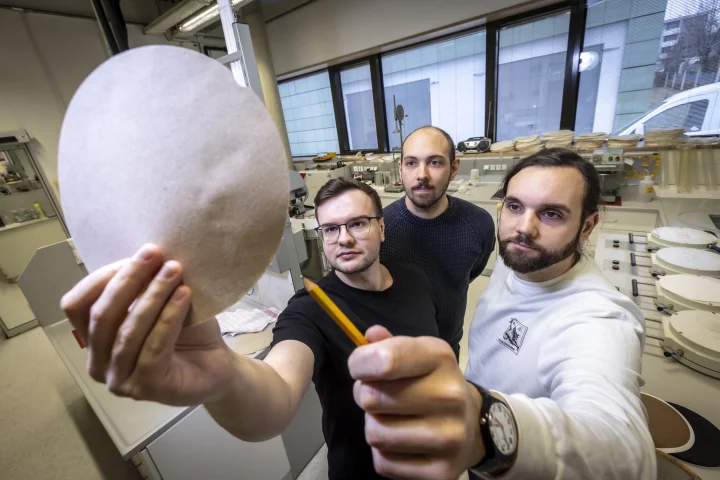 While it's great that many types of paper can now be recycled, textile waste is still mostly dumped or burned. A new technique could change that by combining the two materials, using discarded cotton clothing to boost the strength of packaging paper.
 -
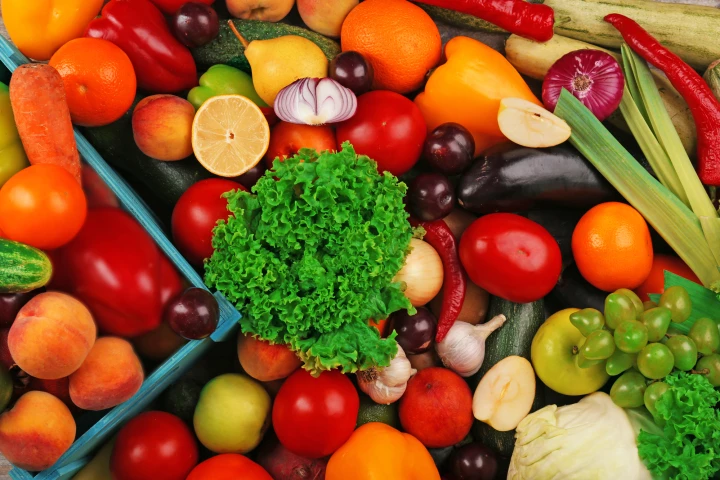 By comparing the bacteria found in fruits and vegetables to those found in the human gut, researchers have demonstrated, for the first time, that consuming fruits and vegetables contributes positively to the bacterial diversity of our gut microbiome.
 -
 By taking ultrathin films and color pigments used routinely in the food industry, scientists have developed an implantable device that can be activated by light to stimulate nerve cells and accelerate healing.
 -
 We already have devices which detect vehicles that are exceeding the speed limit, or that are too noisy. Now, scientists are working on an unmanned sensor that could be used to sniff out automobiles that are emitting overly-dirty exhaust.
 -
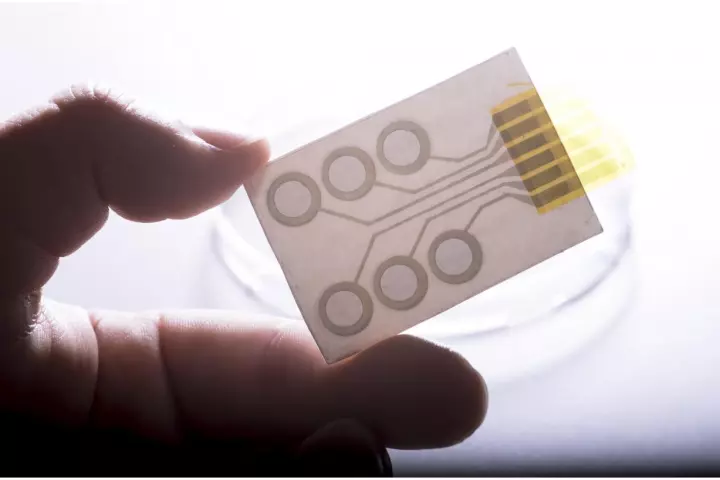 Ordinarily, in order to measure the electrical activity of the heart or muscle tissue, relatively stiff electrodes are applied to the skin along with a contact gel. There may soon be a less cumbersome alternative, however, in the form of ultrathin temporary tattoo electrodes.