
Tsinghua University
-
 Although sunscreen does help protect our skin from the sun's harmful UV rays, it isn't designed to keep that skin cool. An experimental new sunscreen does that very thing, however, while maintaining an SPF rating of about 50.
 -
 Serving multiple useful purposes, brain-computer interfaces (BCIs) usually incorporate scalp-applied or even brain-implanted electrodes. A new less-invasive BCI, however, can simply be stuck in the patient's ear canal as needed.
 -
 Researchers have developed a new drug cocktail that can convert cells into totipotent stem cells, the very seeds of life. These cells can differentiate into any cell in the body, potentially bypassing the need for sperm and eggs to grow an organism.
 -
 As honeybees collect pollen and nectar from flowers, they repeatedly bend and straighten their abdomens – yet with a minimal amount of friction. Scientists have discovered what makes this possible, and it could have applications in human technology.
 -
 Open wounds on the stomach wall can be serious if left untreated, sometimes requiring surgery. In the not-too-distant future, though, it's possible that a small robot could bioprint new cells onto such injuries … from inside the body.
 -
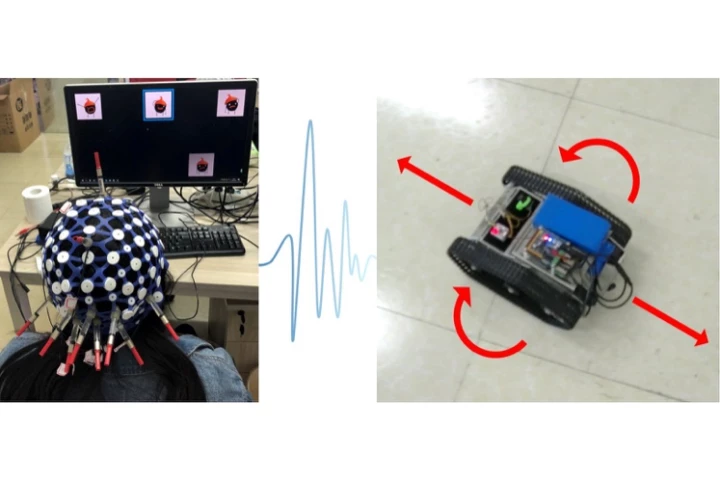 Chinese scientists have developed gel-free electrodes that read users' brain activity, even through hair.
 -
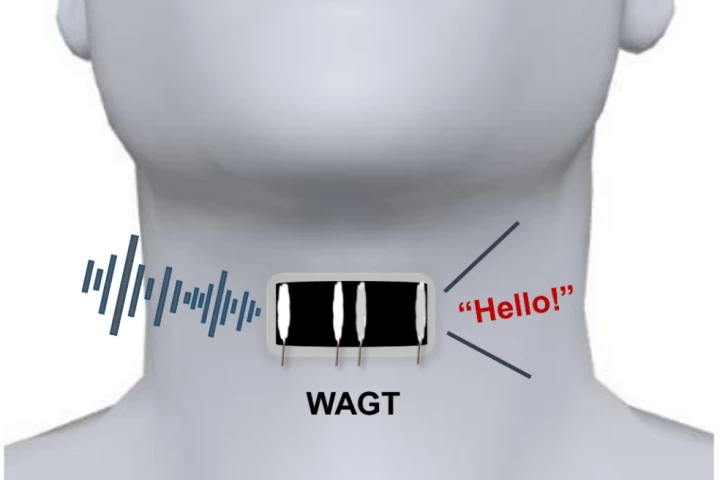 Fans of the Mission Impossible movies may recall the agents' use of a slim, throat-mounted device that changes the user's voice. Well, Chinese scientists have now developed something similar, that could one day allow the mute to speak … in a manner of speaking.
 -
 During the recent LEGO2NANO summer school held at Tsinghua University in Beijing, a group of Chinese and English students succeeded in making a Lego-based scanning atomic force microscope with nanoscale resolution in five days at a cost less than $500.