
Trinity College Dublin
-
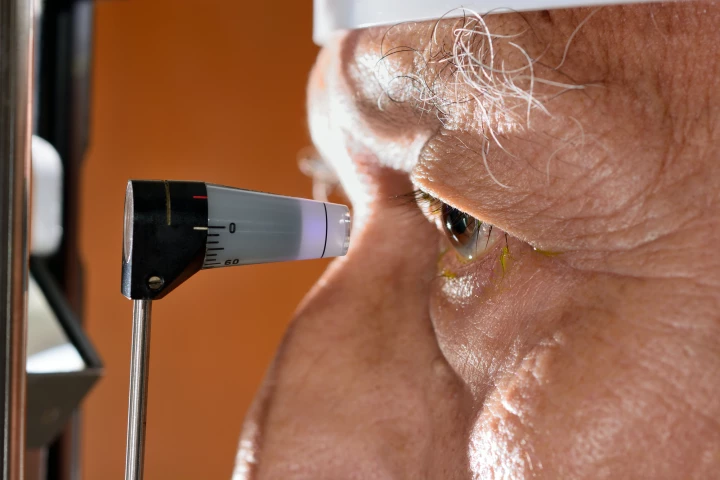 The high eye pressure seen in glaucoma slowly leads to blindness. For some, treatment with eye drops doesn’t work. Researchers have used gene therapy to develop a promising new way of treating the high eye pressure associated with glaucoma.
 -
 Research into a rare type of dementia has uncovered a genetic mutation that results in dysfunctional white blood cells and a breakdown of the blood-brain barrier, a mechanism that may play a role in common types of dementia such as Alzheimer's.
 -
 A new gene therapy treatment may be able to save the vision of patients with a blindness-causing genetic disease. DOA currently has no preventative or cure, but in tests in mice and human cells the team was able to slow progression of the disease.
 -
 Tinnitus is an aggravating disorder, causing sufferers to constantly hear a ringing in their ears. A new system could help, though, by simultaneously zapping their tongue and delivering sounds to their ears.
 -
 Scientists working with shield volcanoes in the Galapagos Archipelago have found evidence to suggest that volcanoes which ordinarily produce slow moving rivers of fire have the potential to create far more explosive and dangerous eruptions.
 -
 After a heart attack has occurred, some of the beating cardiac tissue ends up being replaced with non-beating scar tissue – this permanently compromises the function of the heart. A new patch, however, is designed to help.
 -
 Our bodies need vitamin D, but many peoples' indoor lifestyles keep them from getting enough via sunlight exposure. So, how can someone find out just how high their D levels are? Well, blood sampling works, although levels can now also be determined simply by analyzing one of the person's hairs.
 -
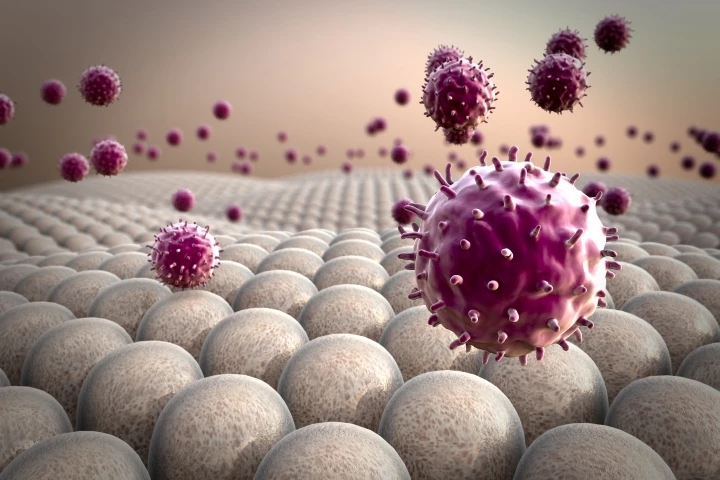 Researchers have uncovered a new metabolic process involved in the immune system's inflammatory processes. Manipulating this mechanism could essentially "switch off" inflammation and enable the development of entirely new anti-inflammatory drugs to treat a host of auto-immune disorders.
 -
 Graphene is a cutting-edge wonder material, whereas rubber bands ... well, they're not so high-tech. By combining the one with the other, however, scientists have created ultra-cheap body motion sensors that could make a big difference in the field of health care.