
Training
-
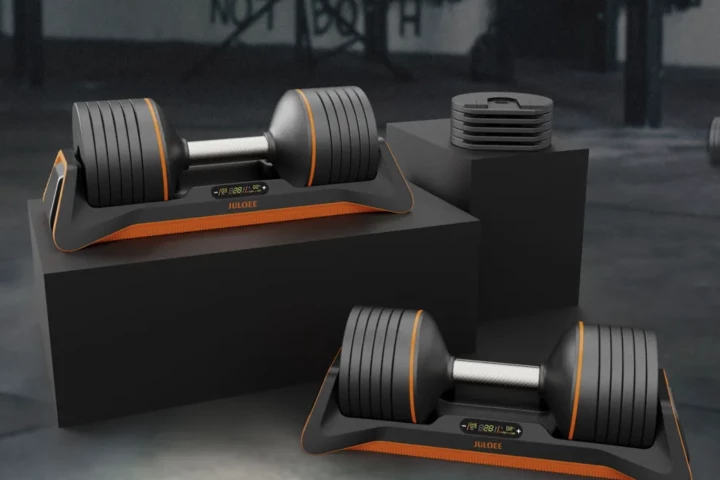 Weight training can be an intimidating and time-consuming exercise, but studies have shown that even light strength-work can speed up weight loss, stave off muscle loss and improve sleep. Now, one clever system has made it not just simple but enjoyable.
 -
 Researchers found that applying a gentle electric current to the head during virtual reality training helped budding surgeons to more easily transfer the skills they’d learned to a real-life setting.
 -
 Runners have treadmills for stationary indoor training, while cyclists have rollers and rowers have rowing machines, but … what is there for wheelchair users? Well, it turns out that they can utilize a li'l something called the Wheely-X.
 -
 Space agencies often put space-suited astronauts in swimming pools, so they can learn to perform tasks in an outer-space-like environment. The UHAB is intended to take things further, by simulating the habitats in which astronauts may someday live.
 -
 When learning to ride horses, equestrians have to become proficient in relaying cues to the animal via subtle changes in their riding posture. And while the horse can't tell them if they're doing so correctly, a new "smart" saddle possibly could.
 -
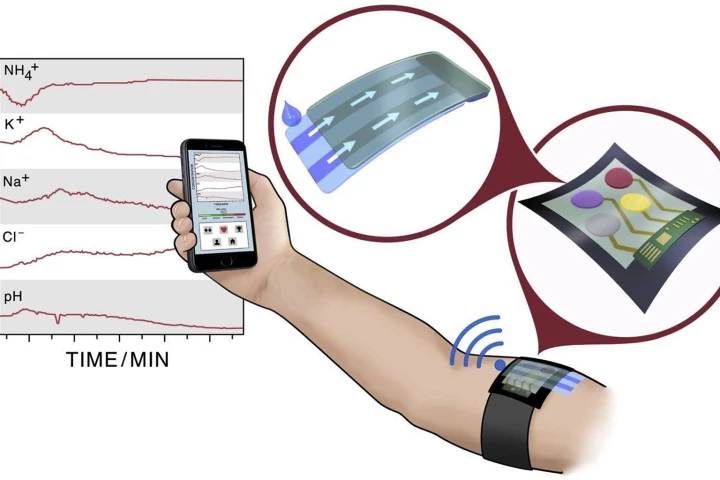 Wearable health-monitors are everywhere, from Fitbits for the health conscious to continuous glucose monitors for diabetics, but most are limited in what they can tell us, and there are issues around accuracy, calibration and reliability. Researchers in Sweden are working to change that.
 -
 A new brain-training app has been shown to improve attention and concentration after just one month of use. The smartphone game, developed by scientists from the University of Cambridge, is now commercially available, but not all experts are convinced of the app’s purported beneficial effects.
 -
 While there are already surgical training systems that use VR headsets to "place" students in an interactive computer-generated operating room, a new simulator goes a step further. It incorporates haptic feedback, allowing users to actually feel the pressure exerted by digital tissue.
 -
 Prostate exams are difficult for med students to learn, thanks to the internal nature of the examination and a lack of willing test subjects. Scientists are developing a robotic rectum that recreates the feel of the real thing and even provides haptic feedback.
 -
 If heart attack victims are given cardiopulmonary resuscitation (CPR) in the first 15 minutes, their chances of survival are greatly increased. The Cardio First Angel CPR coach is a simple mechanical device that guides even an untrained person in properly administering CPR.
 -
 A new toilet-training device combines a wearable sensor pad, Bluetooth technology, an iOS device and accompanying app to help toilet train intellectually disabled children. The device has toilet trained kids who've been wearing disposable underwear for years in under 45 days.
 -
 Move, designed by Electric Foxy, is a kind of sensorial tank top that monitors movements during exercise to help people improve their performance, with particular emphasis on movement precision.
Load More