
Traffic
-
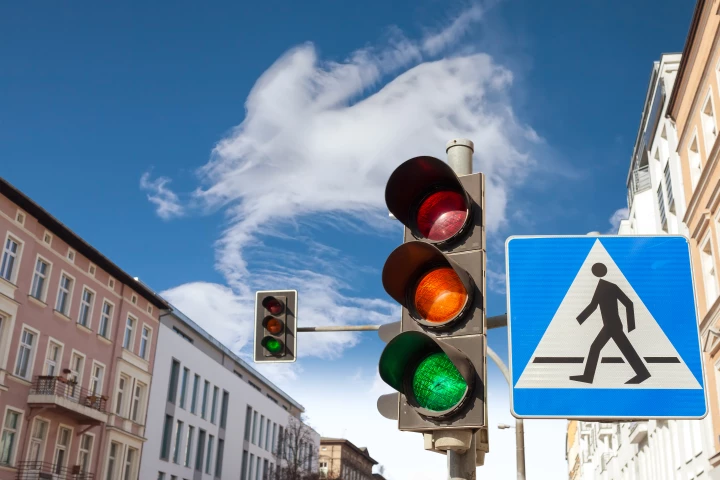 If you're comfortable with the present green, amber, and red traffic lights, be prepared to get uncomfortable. New research suggests that adding a white light will speed up traffic and improve safety for both cars and pedestrians.
 -
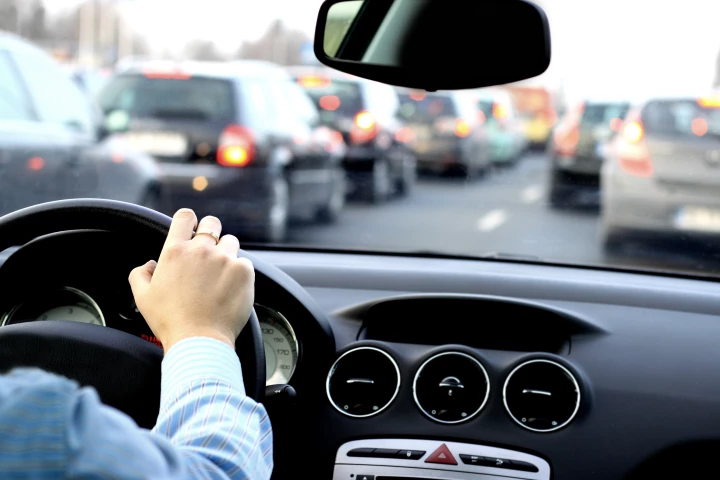 No-one enjoys idling in peak-hour traffic, yet scientists have identified that a blood pressure spike during it doesn't come from frustration but from ultrafine particles flowing into the car. And the average 4.5 mm Hg spike lasts for an entire day.
 -
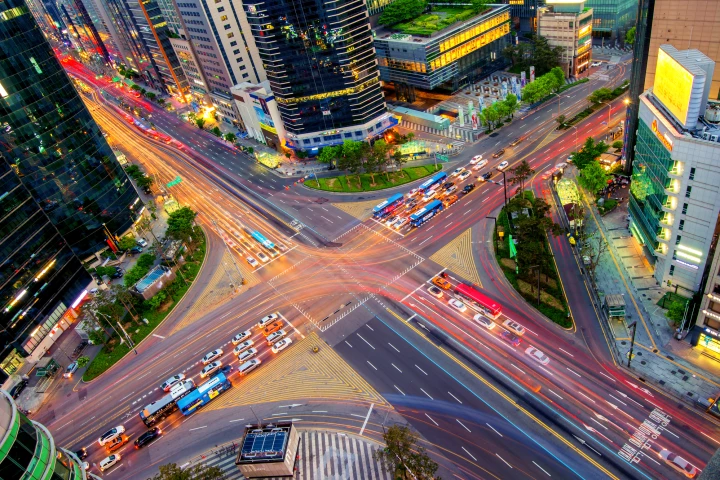 In order to optimize traffic flow, many autonomous vehicles communicate with one another and with traffic control systems. Scientists are now suggesting that an extra white light at intersections could help incorporate human drivers into the mix.
 -
 By exposing healthy adults to diesel fumes before having their brain activity imaged in an fMRI machine, researchers have shown how traffic pollution can impair brain function, offering evidence of the connection between air quality and cognition.
 -
 Those who question the environmental benefits of EVs over their gas-guzzling brethren often point out that the electricity powering EVs usually comes from fossil fuel-burning power plants. But a study has revealed some hidden benefits of EVs, regardless of where the electricity originates.
 -
 A newly-developed system uses the weight of vehicles driving past on the road, to generate electricity.
 -
 Scientists at Spain's Universidad Carlos III de Madrid have helped design a system that images the emissions of individual vehicles in real time, on highways up to three lanes wide.
 -
 Testing has shown that surfacing roads with air purifying concrete could make a big contribution to local air purity by reducing the concentration of nitrogen oxides by 25 to 45 percent.
 -
 New Energy Technologies has moved another step closer to the real world application of its MotionPower system for generating electricity from the kinetic energy of moving vehicles by expanding the durability field tests of the device.