
Tracking
-
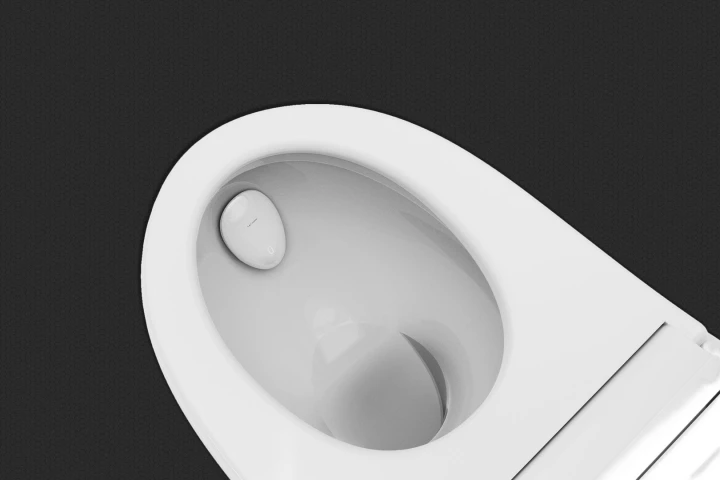 Roughly the size of an iPhone, the Shanmu S1 sticks onto the inside of a toilet bowl and automatically scans urine to help detect diseases early, and provide prescription guidance for the entire family.
 -
 The tracking of squid and other soft-bodied sea creatures may soon be a lot more doable, thanks to a new bioadhesive interface. It's claimed to be much gentler than current attachment methods, while still remaining up to the task.
 -
 Tiny bursts of electrical energy caused by collisions of objects no wider than a pencil lead could one day allow pieces of space debris smaller than one millimeter in diameter to be tracked, reducing the danger to spacecraft in Earth orbit.
 -
 With grim predictions that all polar bears may be wiped out by the end of the century, it’s vital scientists find a way to better monitor the beasts to see if conservation efforts are having any impact. So they decided to 'fingerprint' them using DNA.
 -
 GPS-enabled tracking collars allow scientists to learn a lot about wild animals, but the devices do have one major drawback – limited battery life. A new tracker gets around that limitation, as it's continuously powered by the animal's movements.
 -
 Researchers have developed a platform that allows wireless ingestible devices to be tracked in 3D as they travel through the gut, which may provide a cheaper, less invasive way of investigating disorders that affect gastric motility.
 -
 The majority of shark species are threatened with extinction, so it's crucial to protect the "pupping" areas where females give birth to live young. A new satellite-linked device, known as the BAT, lets scientists know the locations of those areas.
 -
 It's important to monitor the physical activity level of seniors living on their own, as a decrease may indicate health problems, depression, cognitive decline, or a debilitating fall. A new device does so simply and unobtrusively, by hitching a ride on the senior's walker.
 -
 Scientists in China have developed a smart pillow designed to offer an accessible and accurate sleep-tracking solution, monitoring the quality of rest through head movements, which work to power the system at the same time.
 -
 The FDA has authorized a Fitbit feature designed to continuously monitor a wearer’s heart rhythms for signs of arterial fibrillation. The roll-out is based on a study that last year reported the algorithm detects 98 percent of irregular heart rhythms.
 -
 You've no doubt heard about the horrors of lost commercial fishing nets, which drift through the ocean killing a multitude of sea creatures. Well, the Farallon Buoy is designed to help, by allowing fishers to track the whereabouts of those nets.
 -
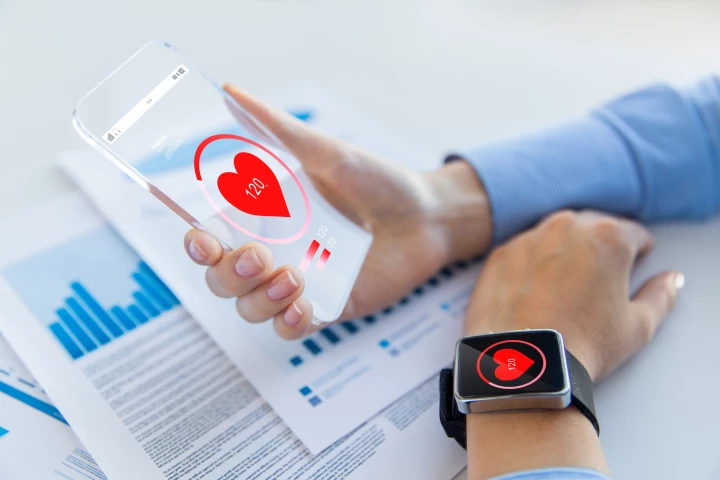 The results have been revealed from a study testing an algorithm designed to detect irregular heart rhythms using data from wearables. Enrolling nearly half a million subjects, the study detected undiagnosed atrial fibrillation in 98 percent of cases.
Load More