
Thin Film
-
 In order to grow big and strong, plants require the red and blue light that are part of the visible "white" light produced by the sun. Scientists have now developed a plant-boosting film, that converts the sun's UV light into more red light.
 -
 If you’ve ever used your phone in sunlight only to see a reflection of your own face, moths might have your back. Inspired by the natural nanostructures that keep the insect’s eyes from being shiny, a team from the University of Central Florida has developed an antireflective film for phone screens.
 -
 MIT researchers claim to have discovered a new universal law for superconductors that, if proved accurate, will bring the physics of superconductors in line with other universal laws and may help advance superconducting circuits for quantum and ultra low-power computing.
 -
 A long sought-after "nanograss" structure promises to significantly boost the efficiency of organic solar cells by capturing light more efficiently while also allowing the use of cheaper, lower-grade materials.
 -
 In 2012, a one-molecule thick layer of silica glass was accidently made in the laboratory of Cornell professor David Muller, allowing the atoms in a glass to be seen individually for the first time. Now, Guinness World Records has identified this ultimately thin glass as a 2014 World Record.
 -
 Researchers at North Carolina State University have developed a new system for strengthening the connections between stacked solar cells, which could improve the overall efficiency of concentrated photovoltaic technology and reduce the cost of solar energy production.
 -
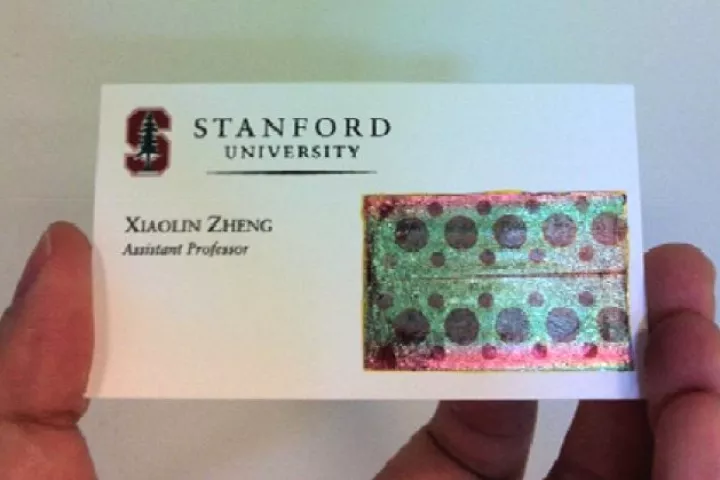 Scientists at Stanford University have created thin, flexible solar cells that can be applied to almost any surface, like a sticker.
 -
 Engineers at the University of Connecticut (UConn) have developed a fluorescent nanofibrous film capable of detecting ultra-trace levels of explosive vapors from landmines and other buried explosive devices.
 -
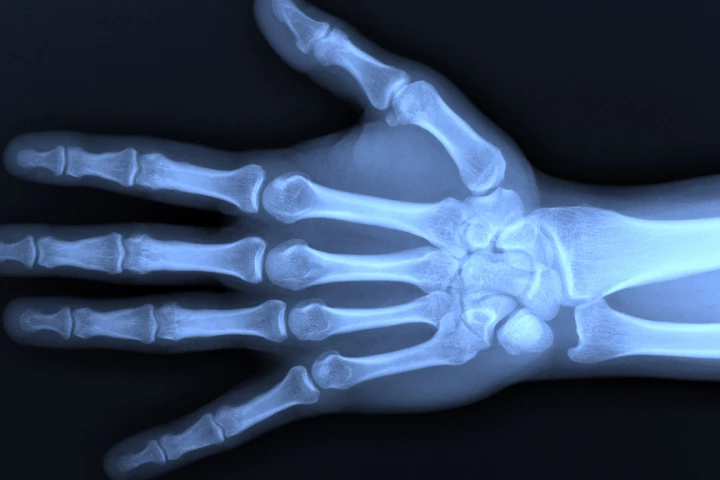 Researchers at the Optical Society have come up with a novel nanostructure that, by mimicking the eye of a moth, can capture more particles and improve the quality of medical imaging three-fold.
 -
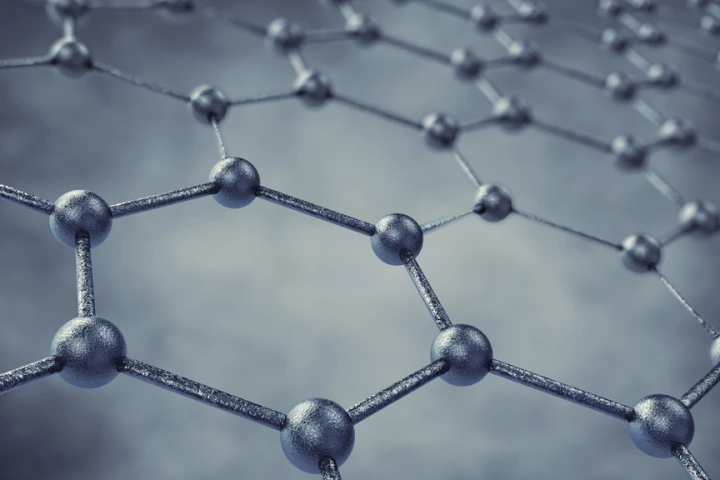 Using graphene, researchers at the University of Exeter have developed a viable alternative to increasingly expensive ITO that they claim is the “most transparent, lightweight and flexible material ever for conducting electricity.”
 -
 A new manufacturing method that incorporates laser technology may result in thin film solar panels that are less expensive and more efficient than anything presently on the market.
 -
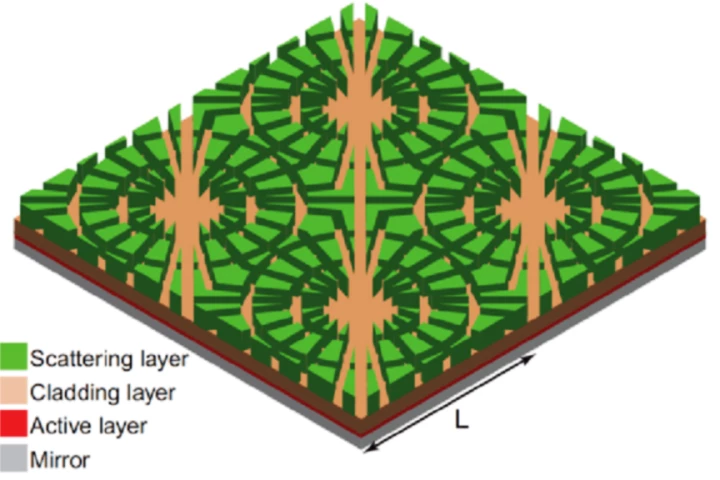 Solar cells thinner than the wavelengths of light could absorb as much as 10 times more energy from sunlight than predicted by conventional theory.
Load More