
Swimming
-
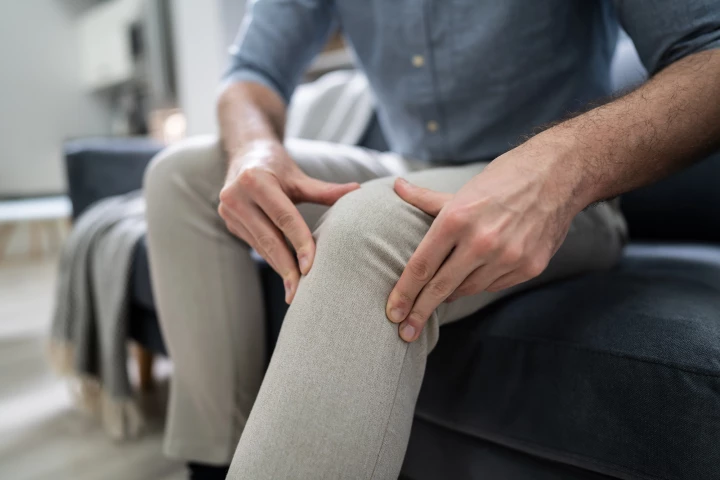 In a review of more than 200 clinical trials, scientists have identified which exercise offers the most benefits in relieving the symptoms of knee osteoarthritis. It's the most comprehensive look at physical activity in treating the condition yet.
 -
 Subsurface oceans on moons are some of the most promising places to look for life beyond Earth. NASA is now funding a project to develop a swarm of small swimming robots that would explore these alien oceans for signs of extraterrestrial life.
 -
 Scientists from Taiwan are suggesting not all exercise is equal when it comes to those with a genetic propensity for obesity trying to lose weight. The study concluded jogging was better for weight loss than either swimming or cycling in those subjects with a genetic predisposition for obesity.
 -
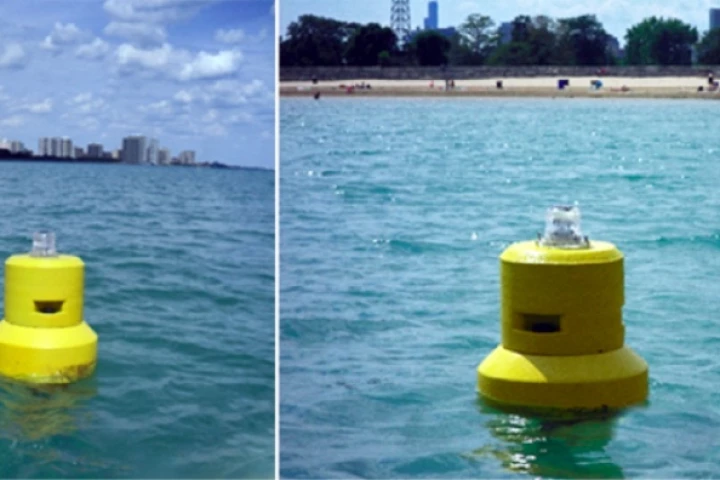 Is the water in your local lake clean enough to swim in today? Currently, the only way to find out is for someone to take a water sample. Soon, however, water-sampling buoys anchored off of beaches could provide readings in real time.
 -
 Researchers at the University of South Florida believe they have found the answer to how jellyfish and eels propel themselves so efficiently. Rather pushing against the water, the animals actually suck water toward them.
 -
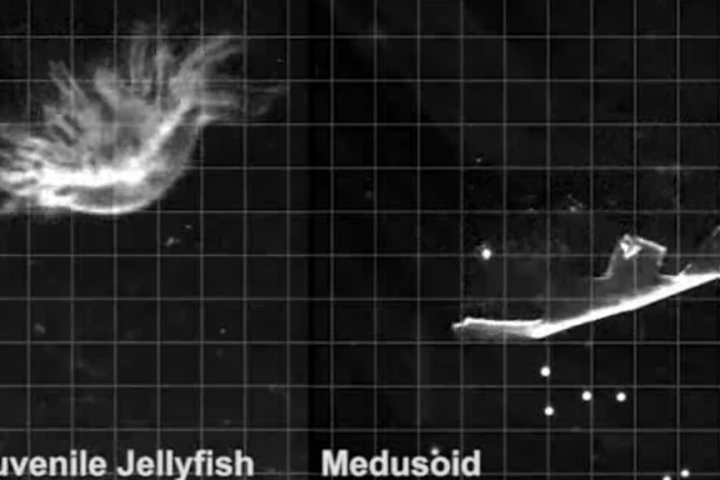 Researchers looking to gain a better understanding of how biological pumps such as the heart work, have created an artificial jellyfish from rat heart muscle and silicon.
 -
 Researchers at McMaster University have developed a paper strip test that is cheap to produce, extremely portable, simple to use, and detects E. coli in water in 30 minutes.
 -
 The watch-sized FINIS Swinsense is worn on the wrist and uses motion sensing technology to automatically detect and record the number of laps swum, total distance, calories burned, lap time, pace, stroke count and even stroke type.
 -
 Finis is about to release a groundbreaking USD$140 AquaPulse heart rate monitor, a workout accessory for swimmers wishing to optimize their water-based exercise routine through heart rate training.