
Sweat sensor
-
 Terrified of bloodwork, needles, and clinic bills? Science is getting closer and closer to collecting our health data in fast, affordable, and pain-free ways – the latest example being a cup sticker that measures vitamin C levels in the user's sweat.
 -
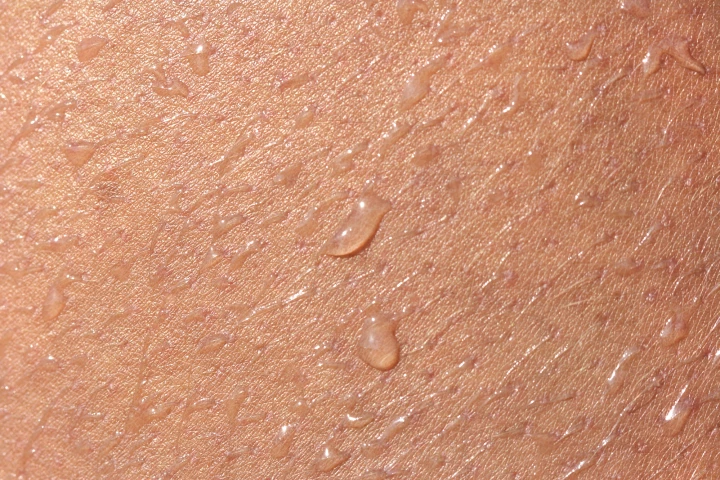 If you don't like getting needles or working out, this new medical wearable may be for you. It analyzes sweat instead of blood, and it doesn't require patients to generate that sweat by performing strenuous exercises.
 -
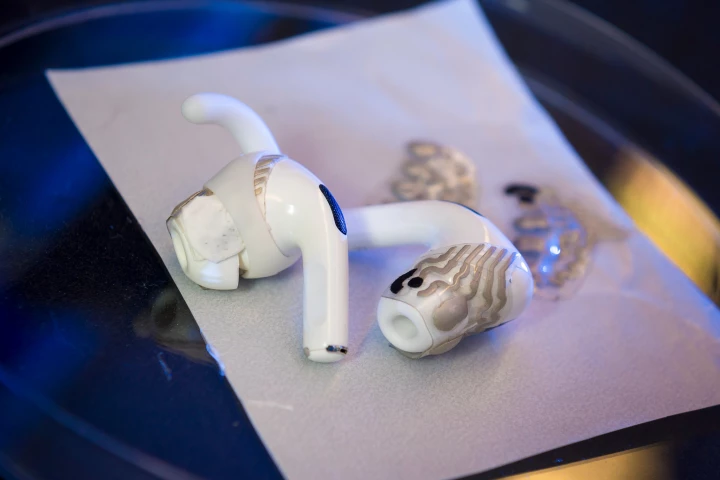 Earlier this year we heard about the ear-EEG, a special earbud that reads electrical activity in the brain. Well, scientists have now developed add-on sensors that allow regular earbuds to do so, and to analyze sweat to boot.
 -
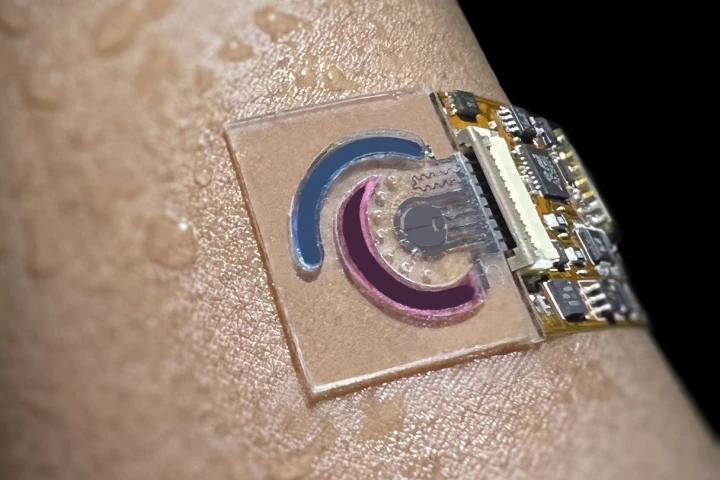 Although there are now a number of skin-worn sensors which identify metabolites in sweat, the technology is limited in what it can detect, plus the sensors often aren't reusable. A new one, however, utilizes a "molecularly imprinted polymer" to be much more useful.
 -
 It's important for people with conditions such as depression and anxiety to know when they're becoming stressed, so they can initiate coping strategies. An experimental smartwatch could someday warn them, by detecting a stress hormone in their sweat.
 -
 When it comes to detecting biomarker chemicals in a person's body, sweat-analyzing sensors offer a less painful alternative to blood sampling. A new wearable sensor takes a unique approach to collecting that sweat, by mimicking cactus needles.
 -
 Currently, most diabetics have to check their blood glucose levels by performing finger-prick blood tests, or via implanted sensors. An experimental new device, however, could someday do the job while simply adhered to the surface of the user's skin.
 -
 Do tattoos impair the skin’s ability to sweat? Despite the ubiquitousness of tattoos this question has received little research attention. A first-of-its-kind study suggests inked skin may damage sweat glands and reduce the body’s ability to cool itself.
 -
 Vitamin C supports the immune system, plays a key role in wound healing, and may even aid in recovery from COVID-19. So, how do you do know if you're getting enough of it? Well, a wearable sweat-analyzing sensor could soon tell you.
 -
 Although breathalyzers have been used to check drivers' blood alcohol levels for decades now, the things do have their drawbacks. In the near future, however, police officers and others may get better results using a simple strip-type test kit.
 -
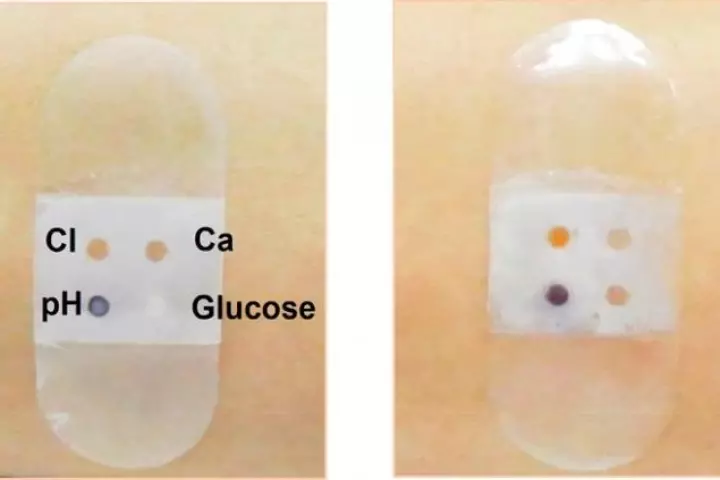 Nobody likes having blood samples taken, which is why we've seen a number of devices that gather sweat from the skin and then analyze it. An inexpensive new bandage-like biosensor simplifies that concept, as it doesn't incorporate any electronic components.
 -
 A team has developed the first wearable skin sensor that can measure a person’s cortisol levels from their sweat. Cortisol, a hormone that spikes in response to stress, is an important biomarker for scientists that can help measure everything from emotional stress to metabolism and immune function.