
sustainable design
-
 From water-skipping robots to elephant-skin inspired cooling materials, engineers have continued to find inspiration in nature in order to move technology forward for humans. And it's set to take center-stage in the new age of robotics.
 -
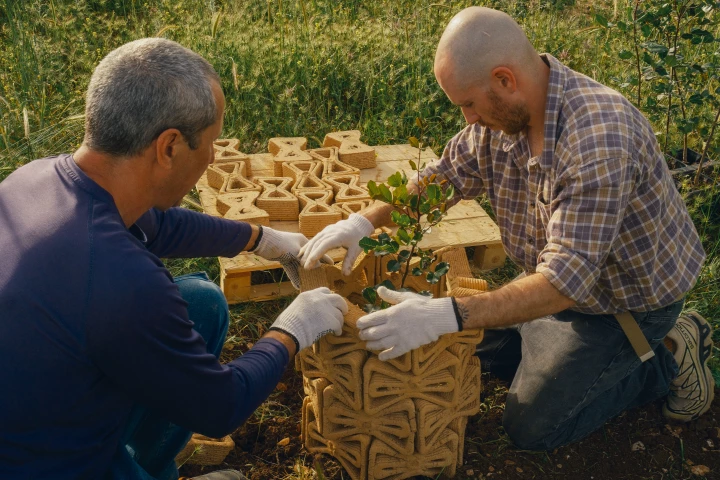 A new project called TreeSoil is reimagining how architecture can support vulnerable environments. It proposes a small but radical idea: build structures not for people, but to protect saplings struggling to survive in degraded landscapes.
 -
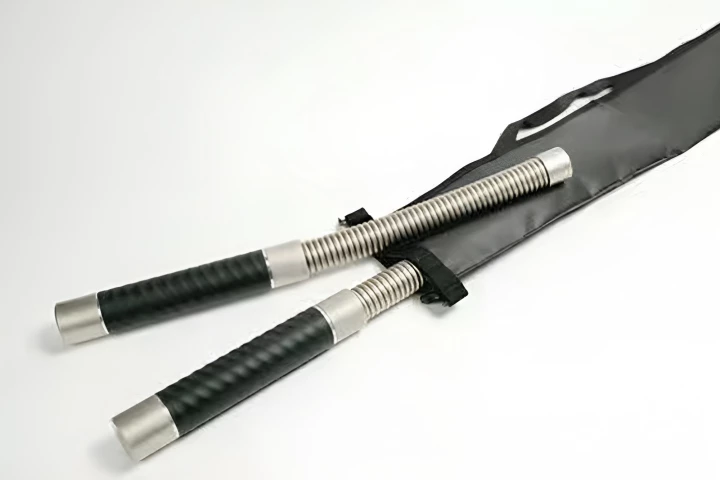 Following a campaign that raised nearly US$350,000 from more than 2,000 backers, the innovative fitness startup behind the first ropeless battle ropes has fine-tuned its hit debut and added two more levels to suit everyone from beginners to athletes.
 -
 Even when it’s ground into microparticles, 97% of an algae-based plastic biodegrades in compost and water in under seven months, a new study has reported. The researchers hope their plastic will eventually replace existing petroleum-based ones.
 -
 Temperatures around the world are on the rise, with 2023 recently confirmed as the hottest since records began. A new study has found that bringing nature into cities could help lower temperatures during heatwaves.
 -
 February 11 marks International Day of Women and Girls in Science. The day celebrates both the work of women across vast scientific disciplines, but also recognizes ongoing gender-based challenges. Here, we pay tribute to 11 stars of STEM today.
 -
 URB has unveiled the "world’s largest ocean restoration project" on the Dubai coast, the stunning and sustainable Dubai Reefs. The floating community is intended to be the center of marine research, eco-regeneration and eco-tourism worldwide.
 -
 Design studio PriestmanGoode recently revealed a sustainable in-flight meal tray concept that includes edible packaging. The eco-friendly design is part of a project addressing the impact of plastic waste, with a focus on the aviation industry.
 -
 A collective of eco-technologists has designed open-source beehives to help encourage bee populations and fight Colony Collapse Disorder. Sensors track the movements, moods and geo-location of the bees.