
Sustainable
-
 It's super-sustainable, easily made and nutrient-dense. And it puts all other food production to shame. Now, the first air-protein factory is open. It's the food of the future, and soon a $100 million industry – but will you be putting it on your plate?
 -
 Researchers have developed a plant-based hydrogel to create shape-changing, navigable small-scale robots with potential applications in biomedicine, including conducting medical procedures and delivering therapeutic cargo to cells and tissues.
 -
 Paracetamol and ibuprofen are among the world’s most common painkillers, but manufacturing them requires crude oil. Now, researchers have developed a more sustainable method, creating the drugs out of waste products from the paper industry.
 -
 Because they're made of vulcanized rubber, old tires can't simply be melted down and used to make new tires. Such is reportedly not the case, however, with new rubber-free tires made from eco-friendly elastomers.
 -
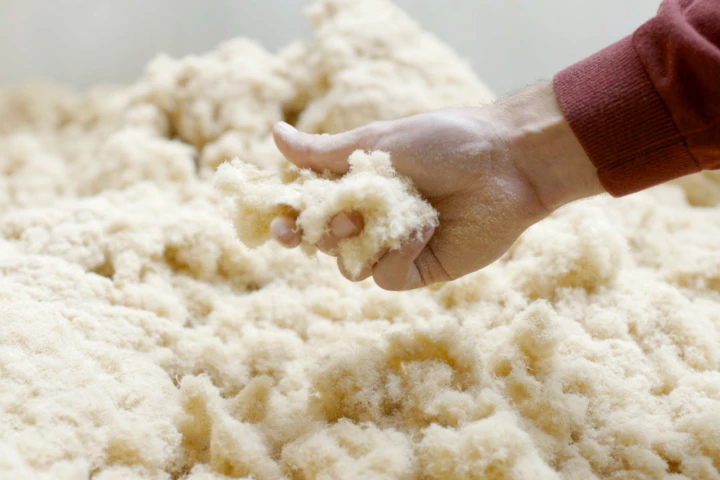 Although stand-up paddleboards are eco-friendly to use, they're typically made of not-so-green substances. German scientists are trying to change that, with a board made of sustainable materials – obtained partially from old wind turbine blades.
 -
 More and more, insect protein is being suggested as a more sustainable alternative to meat. Humans aren't the only omnivores, though, which is why a new insect-based cat food should soon be hitting the market – and it won't be the only one.
 -
 Disposable diapers are not eco-friendly, not only because of their plastic outer shell, but also due to their petroleum-based absorbent inner layer. There could soon be a sustainable alternative to the latter, though, and it's made from wheat gluten.
 -
 After a decade of research, scientists at KU Leuven in Belgium have developed a device that can uses sunlight to produce a record-breaking 250 liters (66 gal) of hydrogen a day.
 -
 Germany's eco-lux footwear brand nat-2 has been making sustainable footwear for a few years, and has now launched some sneakers made from recycled coffee, with some recycled plastic bottles thrown in for good measure. And yes, they smell of coffee.
 -
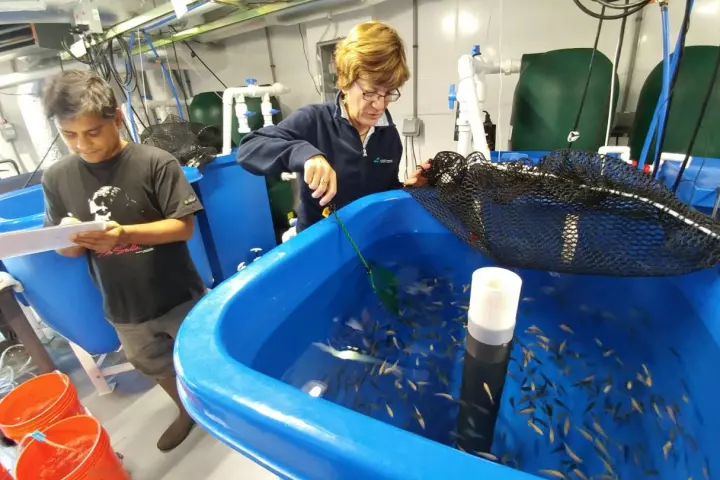 Even though tilapia may be raised on farms, the food that they eat still contains ecologically-important fish that are caught in the ocean, depleting wild stocks. That's why Dartmouth College scientists are now looking at replacing the fishmeal in that food with existing algae meal.
 -
 Dr Shahriar Hossain from the University of Woolongong in Australia is looking to overcome the problems posed by gearboxes in wind turbines by replacing them with a superconducting coil to slash production costs and drastically improve efficiency.
 -
 New York-based BioHitech has created the Eco Digester to help companies deal safely with their food waste, converting it into grey water that is then transported through standard sewer lines. BioHitech taps the power of big data to monitor and improve the performance of the units.
Load More