
Sustainability
-
 Okay, CERN's Large Hadron Collider (LHC) might have uncovered the Higgs boson and helped redefine our concept of physical reality, but what has it done for us lately? How about a side hustle heating several thousand homes in the neighborhood?
 -
 As private companies make spaceflight routine, Earth’s upper atmosphere has become a testing ground with each launch leaving residues that react with ozone, thinning the layer that shields life below. It’s a problem scientists are just beginning to quantify.
 -
 In the largest study of its kind, scientists have documented the seismic shift in animal size over the last 1,000 years, with domesticated species becoming larger as wildlife gets smaller. It underlines the impact of one species in particular – us.
 -
 Hospital meals have long been the butt of jokes, but new research shows they might actually pose a health risk, with low-quality diets failing to meet basic nutrition standards in hospitals and nursing homes.
 -
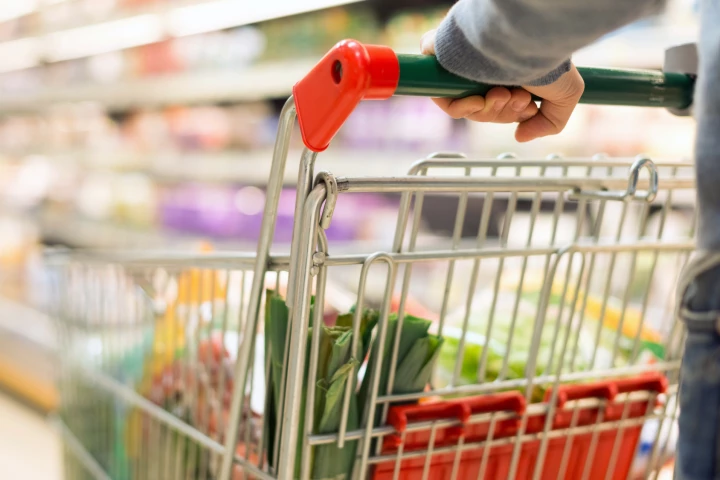 New research has compared whether food waste is reduced more by consumers who are driven by sustainability or those driven by nutrition and health. The study highlights the need to reconsider our approach to addressing the issue of food waste.
 -
 When most people think of duckweed, they likely picture a green film growing across the surface of a stinky, stagnant slough. The protein-rich plant may soon be on your plate, however, as it's been approved for human consumption in Europe.
 -
 A perfect storm is brewing for China's cities due rising sea levels and accelerated subsiding land. Scientists have now sounded the alarm that, without intervention, urban areas below sea level will triple by 2120, impacting up to 128 million people.
 -
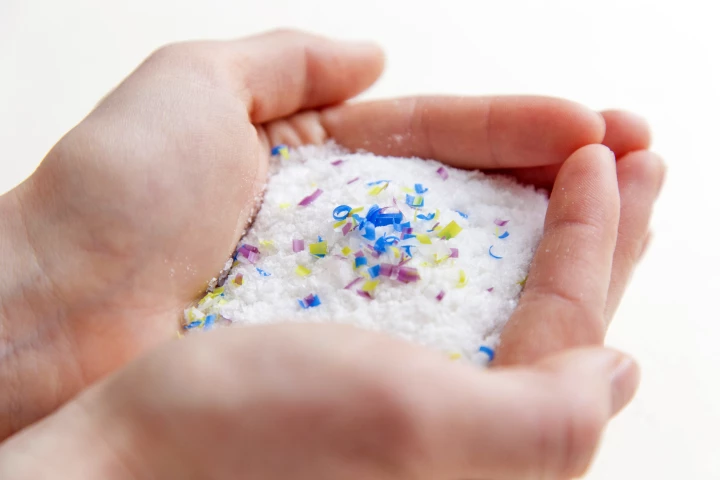 Even when it’s ground into microparticles, 97% of an algae-based plastic biodegrades in compost and water in under seven months, a new study has reported. The researchers hope their plastic will eventually replace existing petroleum-based ones.
 -
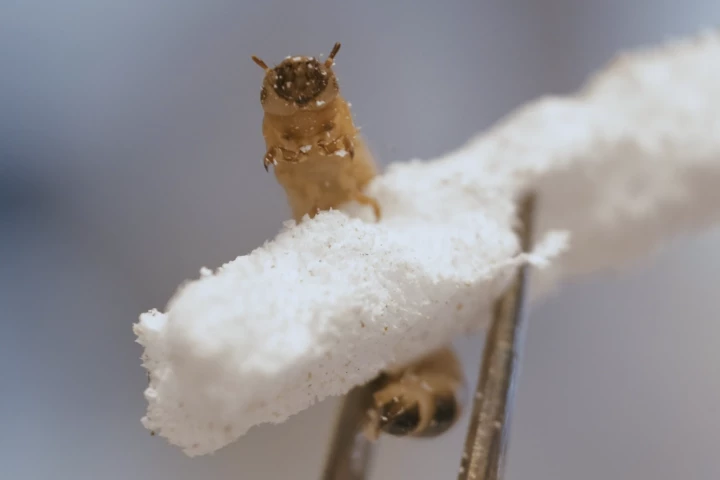 Scientists have created a lab-grown microbiome like the one found in a tiny plastics-munching worm, and it has the potential to efficiently and sustainably biodegrade the world's most common and troublesome plastics – all without the need for the worms.
 -
 To drive down the cost of biodiesel, researchers have developed an eco-friendly way of extracting triacetin, a combustion-enhancing additive, from an abundant waste source, cigarette butts, both reducing waste and providing a sustainable use for it.
 -
 Conventional breeding of trees takes time, but CRISPR gene editing should help speed things up. Now, scientists at North Carolina State University have used CRISPR to adjust the genomes of poplar trees to make them easier to turn into paper products.
 -
 One of the ironies of salmon farming lies in the fact that although the salmon themselves aren't wild-caught, their feed is made up of fish that are. According to new research, it would be ecologically better if we just ate those feed fish ourselves.
Load More