
Supercapacitor
-
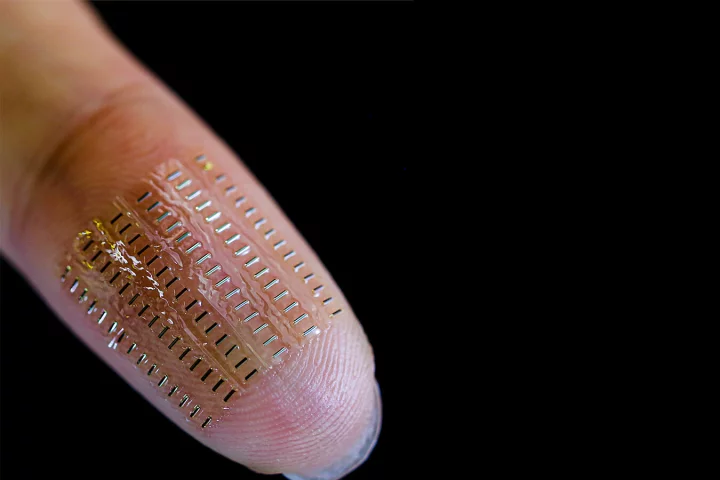 By combining miniaturized electronics with some origami-inspired fabrication, scientists have developed what they say is the smallest microsupercapacitor in existence. It's smaller than a speck of a dust but boasts a similar voltage to a AAA battery.
 -
 Along with their batteries, many electric cars now utilize supercapacitors for tasks such as quickly delivering power while accelerating. Thanks to new research, a key component of such devices could soon be made from waste tamarind shells.
 -
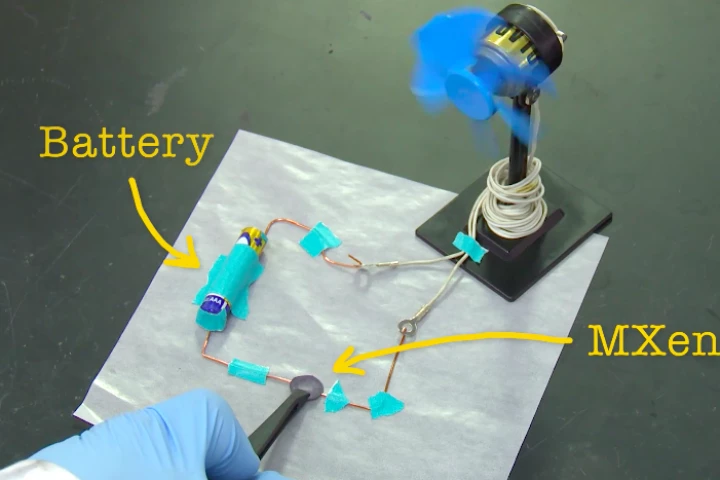 Researchers at Drexel University have hit upon a conductive clay which they claim is an "exceptionally viable candidate" to replace the electrode materials used in batteries. Sure, another day another super material, but MXene, as it's called, does boast some rather intriguing properties.
 -
 Using waste hemp fibers as the starting material, researchers at the University of Alberta in Canada have developed a high-performance electrode material for supercapacitors at one thousandth the cost of the more commonly used graphene.
 -
 Billions of cigarette butts are discarded around the world each year, but new research suggests they could be set for a new lease on life with scientists demonstrating that used filters can be transformed into a high-performance supercapacitor component.
 -
 A novel design combining the best features from both batteries and supercapacitors could lead to a more stable, greener energy grid.
 -
 Scientists have developed a solid state capacitor that is said to store as much energy as a battery, while offering the fast charging and discharging of a capacitor.