
Sunlight
-
 Zinc oxide remains one of the best forms of sun protection thanks to its ability to block both UVB and UVA rays. However, few really appreciate its thick white look – except, maybe, lifeguards in the '80s. UCLA researchers believe they have a solution.
 -
 In the first study of its kind, neuroscientists have shown the real-world benefits that sunlight gives the brain, beyond laboratory experiments, linking brighter and more regular daytime light to better alertness and faster attention in everyday life.
 -
 Although sunscreen does help protect our skin from the sun's harmful UV rays, it isn't designed to keep that skin cool. An experimental new sunscreen does that very thing, however, while maintaining an SPF rating of about 50.
 -
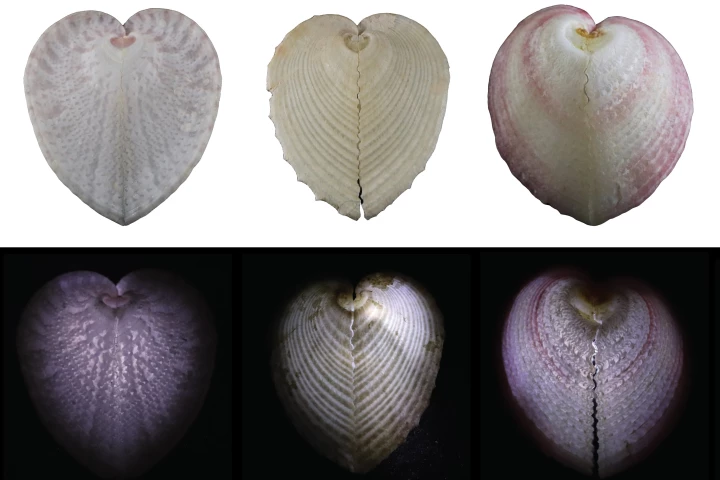 When it comes to technologies used only by humans, you might think that fiber optics would rank right up there. Such is apparently not the case, however, as scientists have discovered that a certain clam uses "fiber optics" of its own to get food.
 -
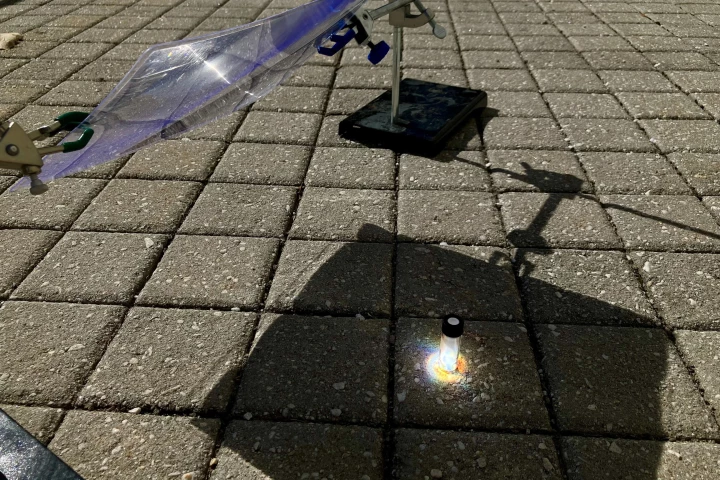 Many objects are made of black plastic, which has so far proven to be very hard to recycle. US scientists have devised a new method of recycling black polystyrene, however, using sunlight and an ingredient that's already present in the plastic.
 -
 Scientists in Canada have demonstrated a promising new device that can purify a gallon of water a day, for just a few cents per gallon. Better yet, it’s made of old tires, and can even generate small amounts of electricity.
 -
 As the daylight hours shrink and temperatures drop, it's easy to spend more time indoors. But new research has shown that by self-monitoring time out in the sunshine – also linked to physical activity – can help treat seasonal mood disorder symptoms.
 -
 Thanks to a recent discovery regarding marine algae, scientists have developed crop plants that absorb a fuller spectrum of sunlight, resulting in better growth. The finding could also lead to increased production of biofuels.
 -
 Scientists have discovered that the Sun produces higher energy light than was thought possible. An unusual type of telescope detected gamma rays with energies of over 1 tera electron volt, at least five times more energetic than previously known.
 -
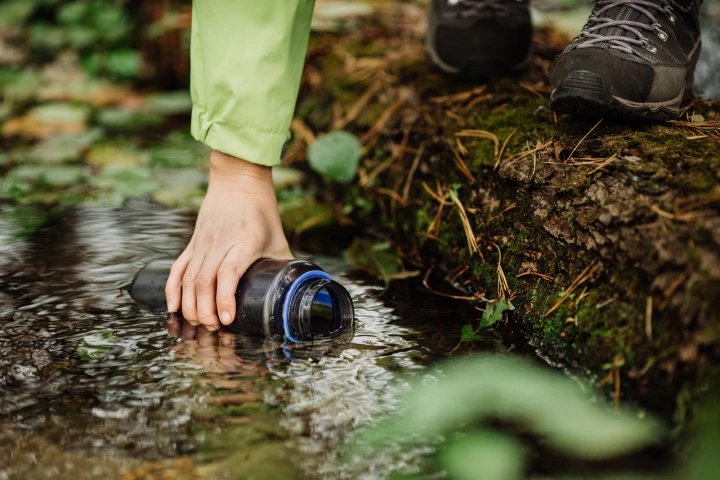 If you leave a clear bottle of water in the sunlight, the UV rays will kill any microbes in that water, making it drinkable … but it has to sit in the sun for at least six hours. A new sunlight-activated powder, however, does the job in one minute.
 -
 We've already seen systems that wirelessly transmit data via patterns of flickering light. A Saudi Arabian team has created a less energy-intensive alternative, that could use modulated sunlight in place of traditional Wi-Fi.
 -
 University of South Australia scientists have found a link between vitamin D deficiency and an increased risk of dementia and stroke. The study found that a decent proportion of cases of dementia may be prevented by boosting levels of the hormone.
Load More