
Sun
-
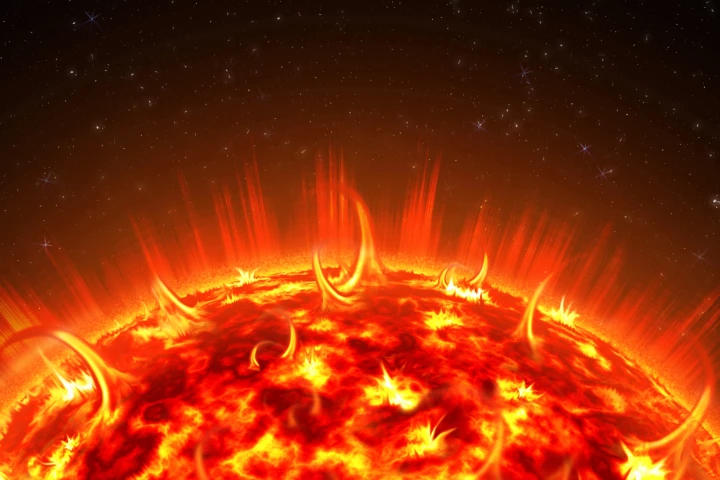 Did you know it rains on the Sun? Not water, of course. It's solar rain, which occurs in the Sun's corona, the outermost layer composed of intensely hot plasma. Astronomers have finally figured out the science behind this strange phenomenon.
 -
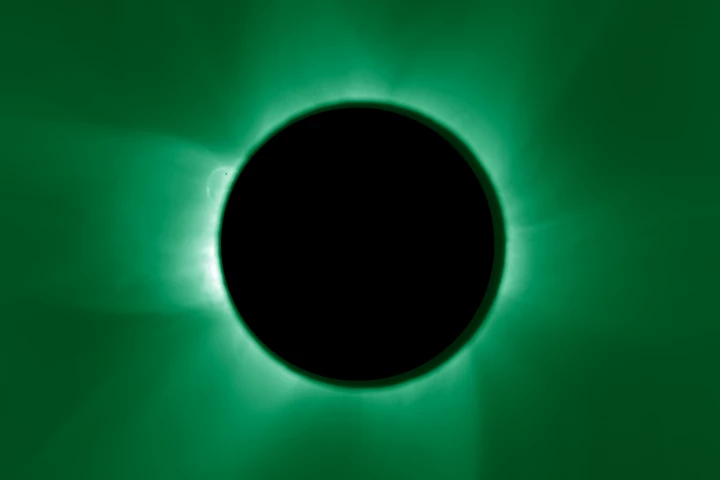 ESA has found a way to make its own solar eclipses more or less on demand and all it took was a pair of robotic spacecraft flying in a formation precise to within a millimeter of each other thousands of miles from Earth. Simple.
 -
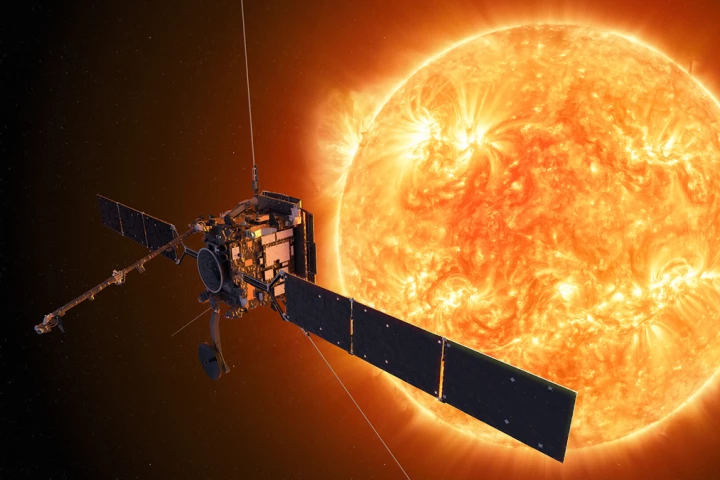 ESA's Solar Orbiter deep-space probe has made history, returning the first-ever images of the Sun's south pole. It's a world first that sheds a great deal of light on the mysteries of our parent star, but it wasn't easy to achieve. Very far from it.
 -
 A study has described how certain bacteria living on our skin can act as microbial sunscreen, protecting us from harmful UV rays. These microbes neutralize UV-induced immune changes, offering a natural defense against the damaging effects of sunlight.
 -
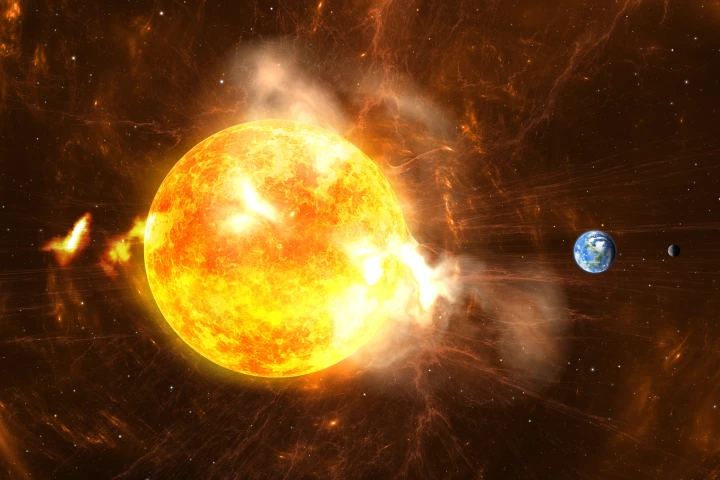 A study has uncovered evidence of an extreme ancient solar storm that struck Earth over 14,000 years ago making it the most powerful solar particle storm on record, exceeding the infamous 775 CE storm that was long considered the strongest.
 -
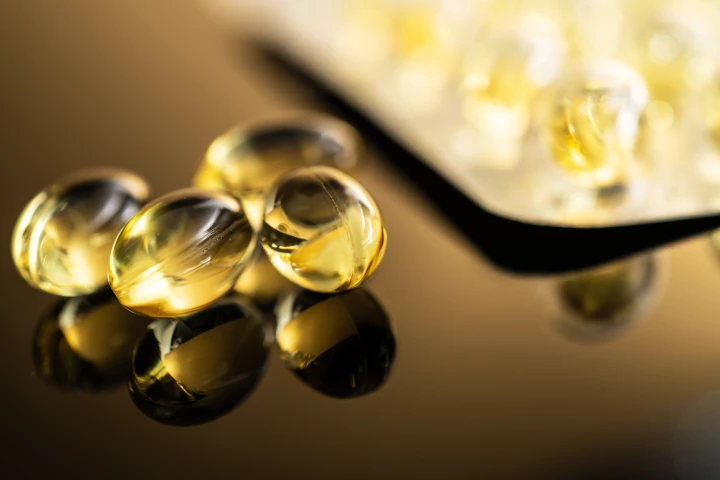 Taking a vitamin D supplement can knock years off your biological aging, according to the results of a large, long-term study. This may not seem like a lot, but it's a significant amount as you become increasingly susceptible to disease as you age.
 -
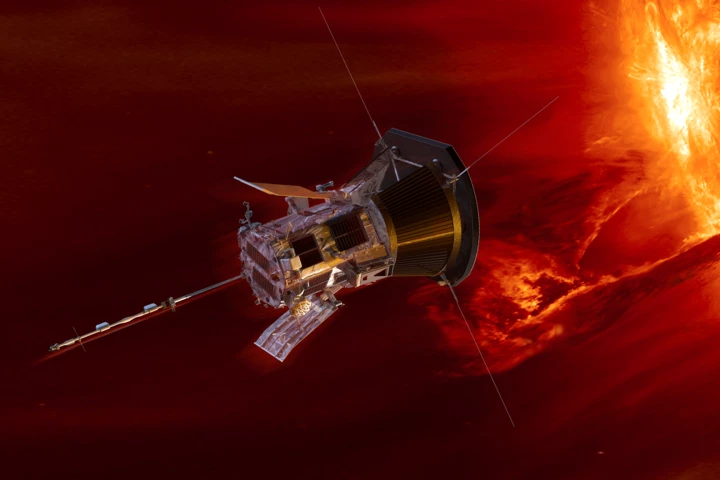 NASA has confirmed that its Parker Solar Probe is safe and fully operational after its Christmas Eve close encounter with the Sun. On December 24, 2024, the robotic probe came within a record 3.8 million miles (6.1 million km) of the Sun's surface.
 -
 The Sun is the biggest fish in our small pond of a solar system, but it’s a mere minnow compared to the whales that dwell out in the cosmos. New telescope images show a gigantic star casually blowing bubbles 75 times bigger than our Sun.
 -
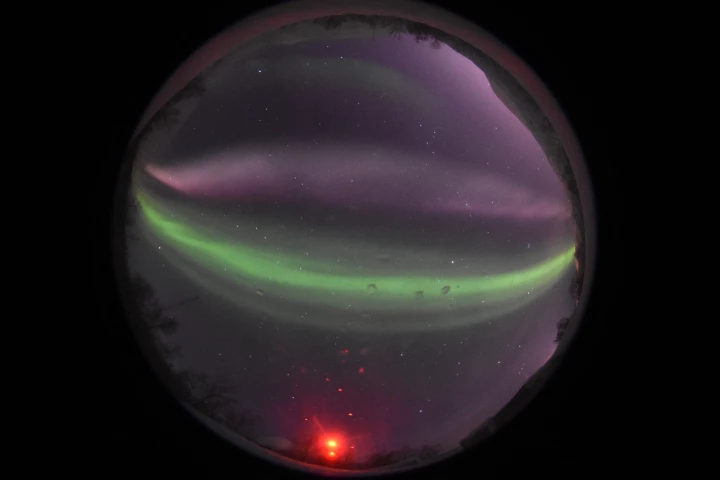 If you’re planning to see the aurora soon, keep an eye out for a brand new type of sky glow that’s just been discovered. This short-lived phenomenon only appears after midnight and seems to be the inverse of something just spotted a few years ago.
 -
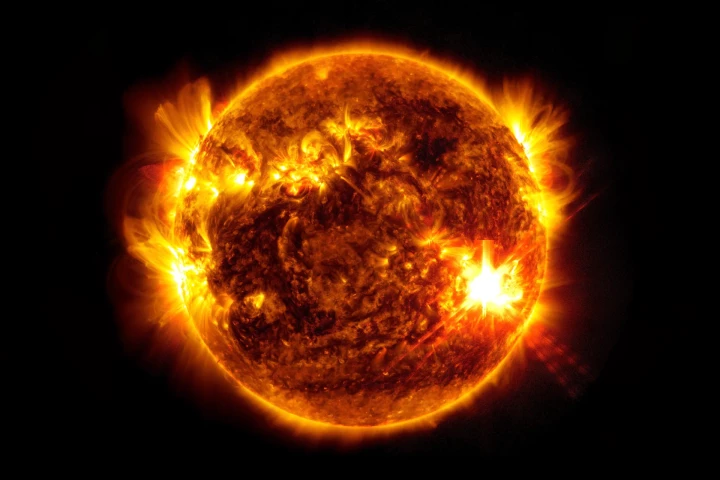 While millions of people who couldn't normally see the aurora took in the recent color-filled spectacle in the night sky, NASA's Solar Dynamics Observatory was looking straight at the sun to catch the action. The fiery footage is well worth a watch.
 -
 The solar wind is constant in the solar system – except on Christmas Day 2022 when it suddenly vanished completely. The event was detected by a NASA spacecraft orbiting Mars, which found that the Red Planet’s magnetosphere tripled in size in response.
 -
 Astronomers have witnessed a phenomenon never seen before, a luminous fast blue optical transient (LFBOT) emitting more energy than hundreds of billions of stars the size of the Sun. Dubbed the Tasmanian Devil, it threw out energetic flares for months.
Load More