
Space Junk
-
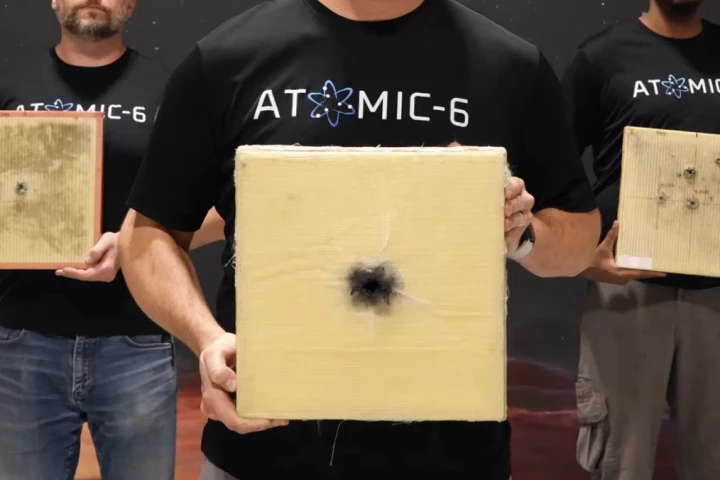 With satellites orbiting the Earth exploding into tens of thousands of pieces, the danger of collisions with space debris is a major problem, so Atomic-6 has developed new Space Armor tiles that are lighter and more effective than current systems.
 -
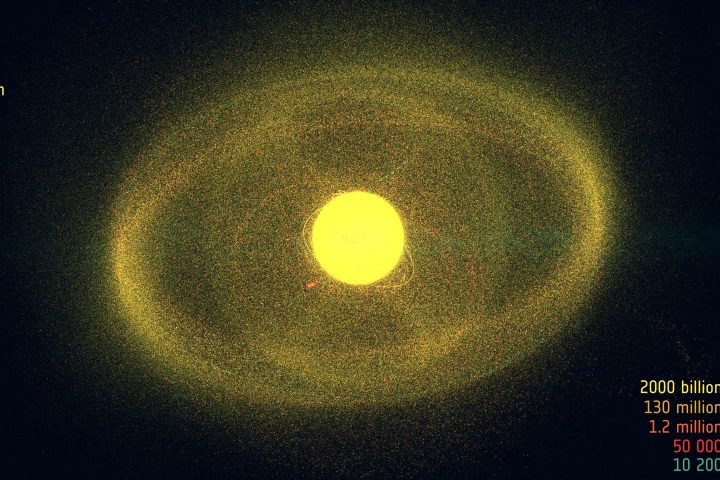 ESA is working on a new system with the unfortunate acronym of Collision Risk Estimation and Automated Mitigation (CREAM) that is designed to automate the labor-intensive process of monitoring, assessing, and responding to possible space debris.
 -
 We've deployed so many satellites into space over the last few decades that we now have a massive orbital junk problem. The European Space Agency says there's now roughly as much debris as there are active satellites floating about in Low Earth Orbit.
 -
 NASA has completed the analysis of a chunk of metal that crashed into the roof of a house in Naples, Florida, a few weeks ago. The agency says it came from a pallet of trash released from the International Space Station three years ago.
 -
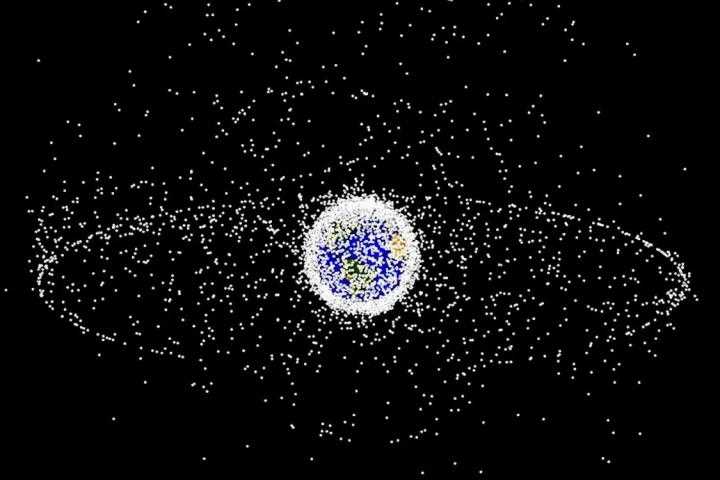 Tiny bursts of electrical energy caused by collisions of objects no wider than a pencil lead could one day allow pieces of space debris smaller than one millimeter in diameter to be tracked, reducing the danger to spacecraft in Earth orbit.
 -
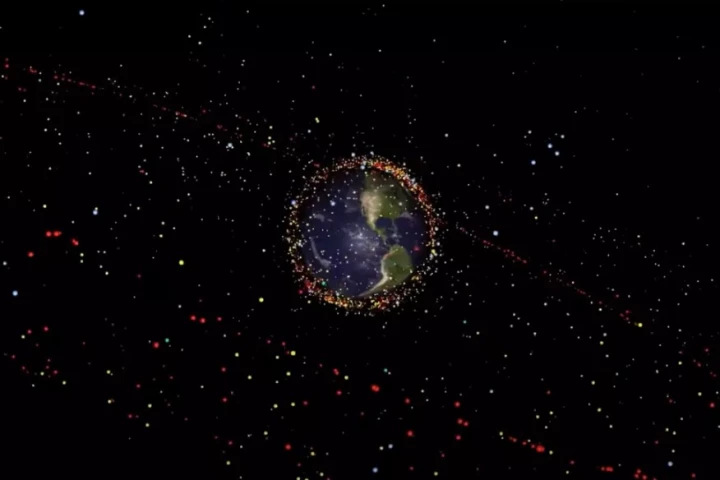 To help combat the growing problem of space debris, a CubeSat launched by EnduroSat on November 11, 2023 called Exo-0 includes a 100-g (3.5-oz) device developed by Airbus that uses the Earth's magnetic field to prevent dead satellites from tumbling.
 -
 The Japan Aerospace Exploration Agency has grand plans when it comes to tackling the growing problem of space junk, and startup Rocket Lab has just been enlisted to get its first efforts off the ground.
 -
 The ISS was forced to make an emergency course correction to avoid an unidentified piece of space debris earlier this week, an incident that highlights the dangers posed by the thousands of tonnes of disused satellites and rockets orbiting the Earth.
 -
 A team of ESA scientists has developed a way to use lasers, special telescopes, detectors, and light filters tuned to specific wavelengths to increase contrast with the sky and accurately track space debris even in broad daylight.
 -
 Space debris is a serious problem that won’t be going away anytime soon, but researchers have put forward a novel way to keep things in check, making a case for charging satellite operators an “orbital-use fee” to reduce the risk of collisions.
 -
 Remember the garbage-collecting Oscar the Grouch, from Sesame Street? Well, an orbital-debris-gathering spacecraft now bears his name. Known as OSCaR ("Obsolete Spacecraft Capture and Removal"), the semi-autonomous craft is currently being developed at New York's Rensselaer Polytechnic Institute.
 -
 Dutch artist and designer Daan Roosegaarde has a knack for raising environmental awareness through spectacular and symbolic pieces of art, and his freshly launched Space Waste Lab might be his most impressive installation yet.
Load More