
Space exploration
-
 One of the big challenges in building a space rover is ensuring it doesn't break down out there. Aerospace engineers have designed a flexible wheel for rovers that doesn't require an air-filled tube, can change its size, and can take a real beating.
 -
 It’s hard to think of a more challenging environment for an automotive battery than the Moon, and preparations for NASA’s Artemis program give us a chance to contrast the pioneering technology of the 1970s with where we are 50 years later.
 -
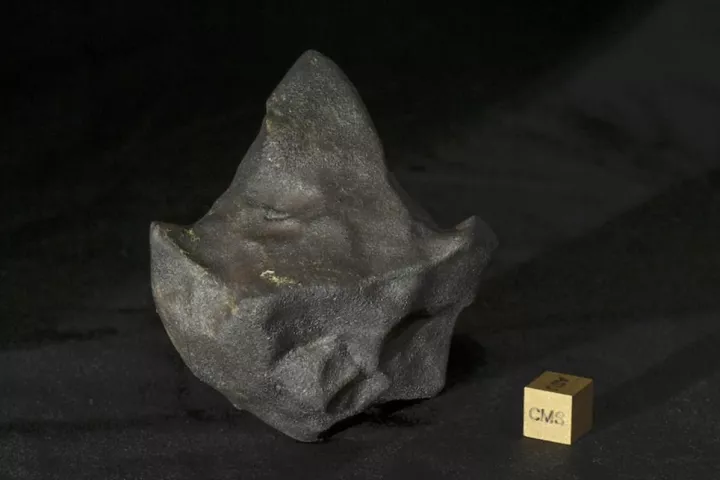 One of the most studied space rocks of all time has surprised us again, with the "mudball meteorite" Aguas Zarcas having cruised around the solar system for two million years without as much as a scratch. It defies the "fragile" class it belongs to.
 -
 A somewhat scorched Chang'e-6 return craft landed in Inner Mongolia yesterday, bringing with it the first rock and dust samples from the far side of the Moon – and hopes of unlocking some lunar secrets.
 -
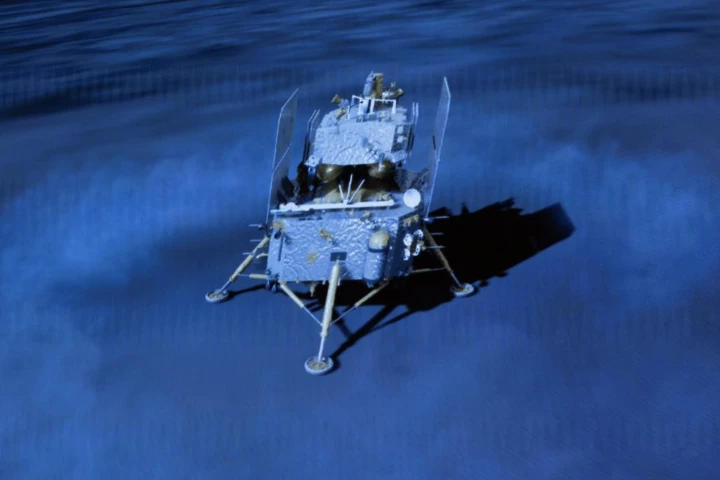 China's uncrewed Chang'e-6 has successfully landed on the far side of the Moon, where it will gather lunar rock and soil samples from the unexplored region for the first time in history. On-board cameras caught the moment it touched down.
 -
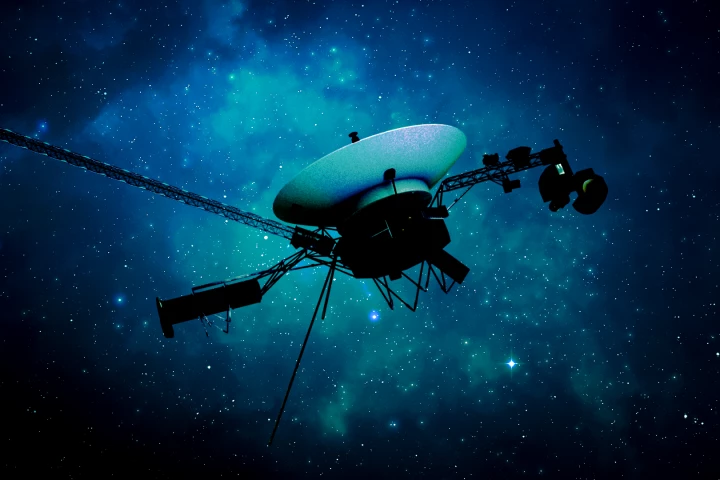 We have to cut the 47-year-old space veteran some slack – it's faring much better than our 2019 laptops – but Voyager 1's five months of communicating nonsense to Earth may be over, thanks to Mission Control's 15-billion-mile remote IT fix.
 -
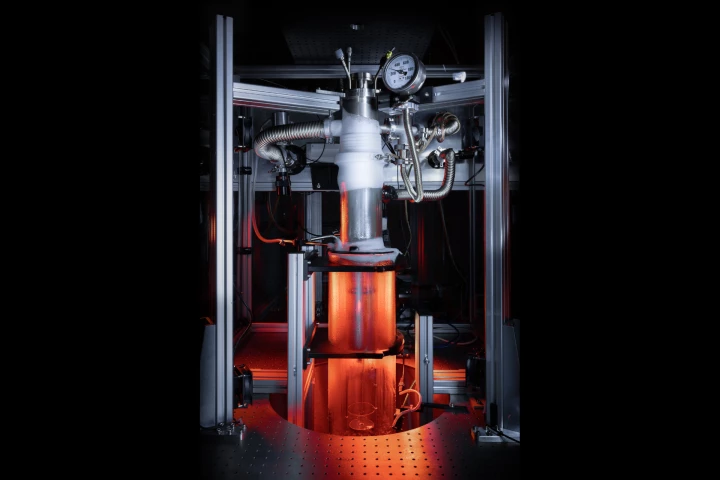 A giant quantum vortex has been created in superfluid helium in a lab at the University of Nottingham. Its behavior was found to mimic that of black holes and may help astrophysicists gain deeper insight into these galactic gravity gobblers.
 -
 Data from NASA's Juno Jupiter orbiter suggests that the Jovian moon Europa produces about 26 lb/s (12 kg/s) of oxygen or almost 100 times less than previously estimated. This changes the probability of life being found in the moon's subterranean ocean.
 -
 With 2023 drawing to a close, it's once again time to look at the significant, intriguing, and sometimes just plain daft science stories of the year. So, let's dive in and see what the science types have been up to.
 -
 Researchers have found that deep space travel can cause long-lasting erectile dysfunction. With crewed space missions planned for the near future, the findings highlight the importance of considering astronauts’ sexual health.
 -
 Astronomers have witnessed a phenomenon never seen before, a luminous fast blue optical transient (LFBOT) emitting more energy than hundreds of billions of stars the size of the Sun. Dubbed the Tasmanian Devil, it threw out energetic flares for months.
 -
 NASA’s anticipated Roman Space Telescope is taking shape, and will soon measure light from a billion galaxies, perform a microlensing survey deep in the Milky Way, monitor hundreds of millions of stars and peer into unseen galactic neighborhoods.
Load More