
Soldiers
-
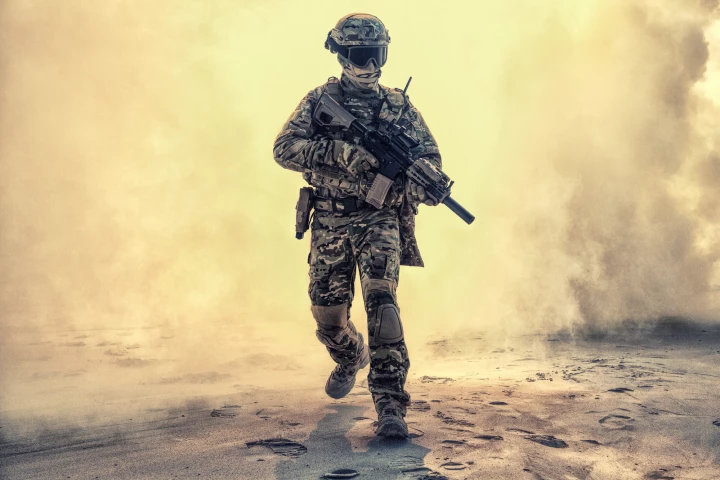 Researchers have found that treating Special Ops veterans with psychedelics improved their mental health and, unexpectedly, their cognitive functioning, underscoring the benefits of psychedelic therapy for those with complicated trauma histories.
 -
 Controlling bleeding is one of the most important life-saving measures battlefield medics can take. However, this can be a significant challenge outside of a medical facility. A new injectable heat-activated hydrogel may offer a way forward.
 -
 On most fish, their hard, overlapping scales provide protection against pokes and cuts. Because those scales are attached to a flexible skin, however, the fish are still able to easily twist their bodies. Scientists are now attempting to copy that structure, to develop flexible-yet-effective armor.
 -
 When a soldier is wounded right at the junction between an extremity and the torso, it can be difficult to treat. A group of students from Johns Hopkins University are working on a solution, in the form of a hardening polyurethane foam that's injected into the wound.
 -
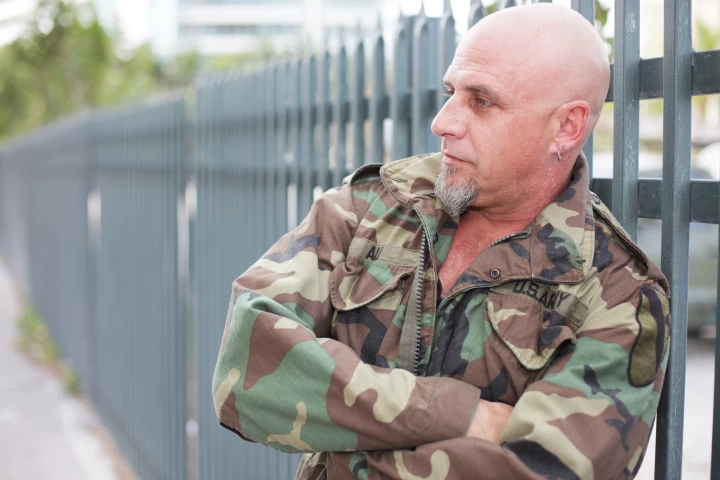 Earlier this year, we heard about how DARPA was setting up its new Biological Technologies Office. This week, the agency released details of one of the office's key projects, aimed at using implants to help people recover from memory deficits caused by brain injury or disease.
 -
 The PoNS device is designed to restore lost brain functions by stimulating the patient's tongue.
 -
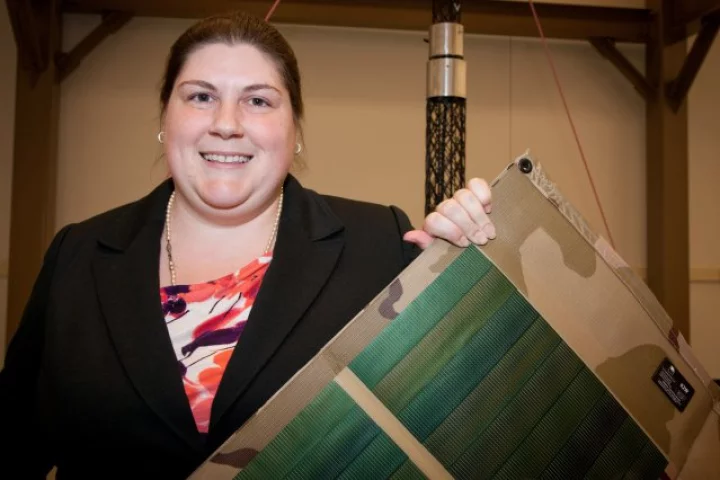 The U.S. army is testing renewable energy microgrids to deploy them in the field.
 -
 A mask stuffed with micro-components could speed up the healing of facial burns.
 -
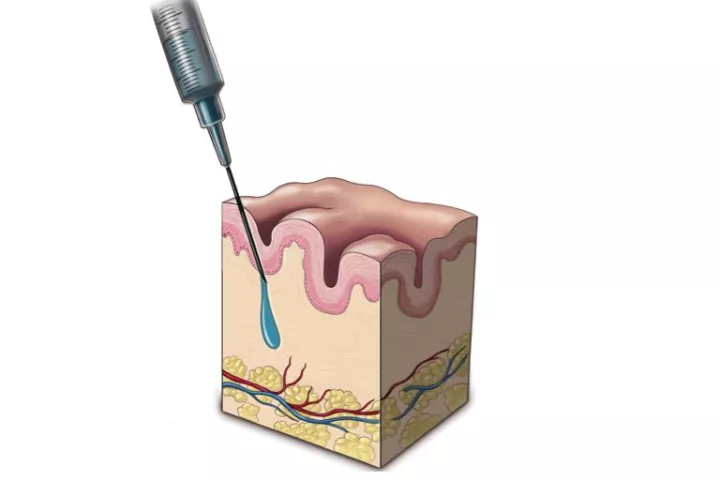 A new injectable biomedical material has been developed to permanently replace soft tissue.