
Soft Robotics
-
 For the first time, engineers have digitally recreated the complex muscular architecture of the octopus arm and its unique movements involving around 200 muscles, which opens the door to developing soft robotics with unprecedented dexterity.
 -
 Soft robotic devices often need to sense both mechanical deformation and changes in temperature, requiring multiple integrated sensors. ChromoSense technology, however, combines both functions in one simple, robust, color-changing device.
 -
 While we've heard about a number of drug-dispensing medical implants, most of them have the same drawback – they end up getting covered in scar tissue. An experimental new one avoids that problem by changing shape as the tissue starts to form.
 -
 In the treatment of epilepsy, doctors will sometimes implant arrays of stimulating electrodes on the surface of a patient's brain. A new soft robotic system allows those electrodes to be placed far less invasively than ever before.
 -
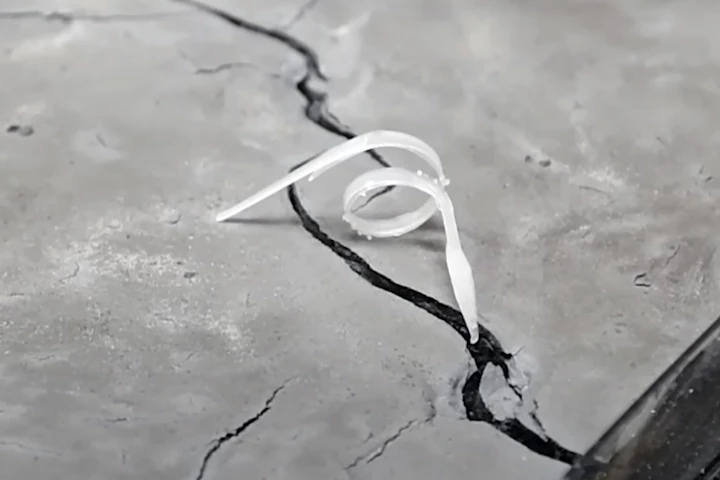 Italian researchers have created a novel 4D-printed biodegradable 'seed robot' that changes shape in response to changes in humidity and can navigate through the soil. The device has great potential as a new way of monitoring the environment.
 -
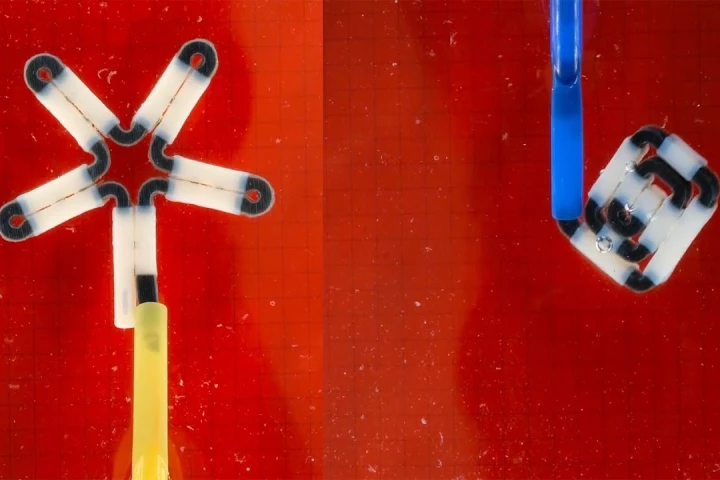 One of the challenges of laparoscopic surgery lies in getting surgical instruments into the patient's body via a narrow catheter. Scientists have set about addressing that problem, with magnetic instruments that pop into and out of shape as needed.
 -
 The potential for 3D bioprinting has been further expanded thanks to the work of engineers from the University of New South Wales (UNSW), who have developed a soft robotic arm that can print directly onto organs and tissues inside the human body.
 -
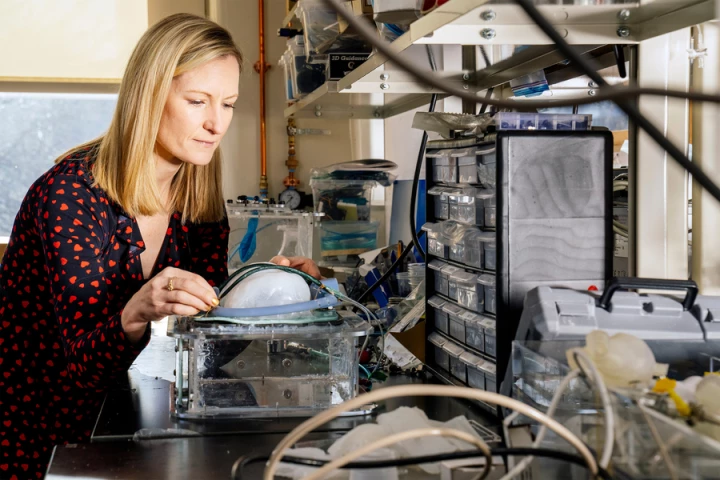 It's a sad fact that people with conditions such as muscular dystrophy and ALS often have difficulty breathing, as their diaphragm muscle doesn't work properly. MIT scientists have set out to give that muscle a boost, with an implantable ventilator.
 -
 Scientists have come up with a novel cleanup solution for microplastic pollution that takes its cues from nature, in the form of a fish-like robot that can move through the water and soak up small plastic fragments as it goes.
 -
 It's possible that someday in the future, sunlight-powered robots may be able to swim across marine oil spills, soaking up the oil as they go. A tiny prototype has already been created, and it was inspired by both the steam engine and an insect.
 -
 As honeybees collect pollen and nectar from flowers, they repeatedly bend and straighten their abdomens – yet with a minimal amount of friction. Scientists have discovered what makes this possible, and it could have applications in human technology.
 -
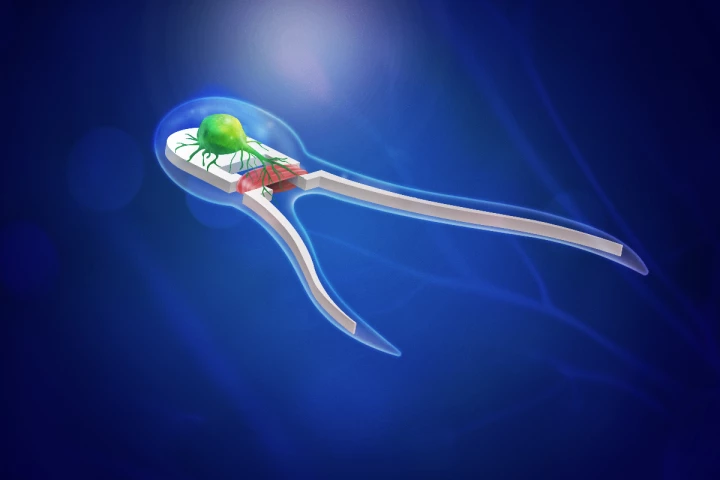 Scientists at the University of Illinois have come up with a biohybrid robot that can be propelled by a mix of motor neurons, muscular tissue and light.
Load More