
Snow
-
 If you're chionoandrophobic, we recommend looking away now. Standing 62 ft tall, 46 ft long and 36 ft wide, 2025's largest snowman has been erected in China. The smiling icy monster required 124,000 cubic feet of snow, and has become an instant hit.
 -
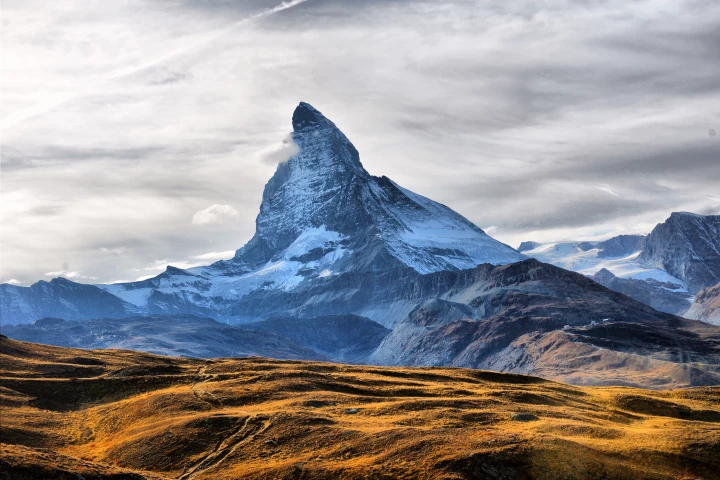 When the Swiss and Italian governments got together to redraw the alpine border that divides the two countries last year, due to rapidly retreating glaciers, it put into stark focus a challenge that is expected to face many nations that have natural structures that mark territories.
 -
 In 1959 a group of Russian hikers died under mysterious circumstances – and their story, now known as the Dyatlov Pass incident, has intrigued the world ever since. A new study, backed up by simulations, suggests a snow slab avalanche is responsible.
 -
 A new study has calculated that the Greenland ice sheet lost hundreds of billions of tons of ice last year, marking the biggest drop in its ice mass since records began in 1948. The team found that unusual pressure patterns had a devastating impact.
 -
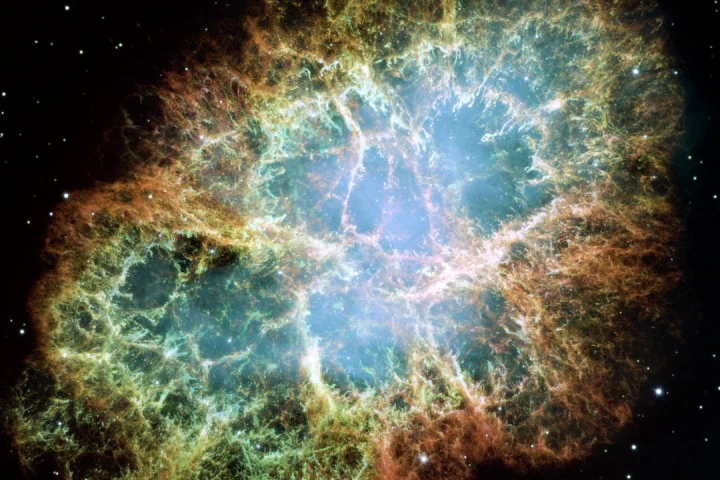 In the pure white snow of Antarctica, scientists have found rare isotopes that don't occur naturally on Earth. The isotope, known as iron-60, is usually forged in the crucible of supernova explosions, and the researchers believe it fell to Earth as our solar system passed through an interstellar gas cloud.
 -
 Aircraft have been known to mess with the clouds as they pass through or over them. A new study has found that planes could be boosting rainfall and snowfall by up to 10 times, and examined the microphysics behind it.
 -
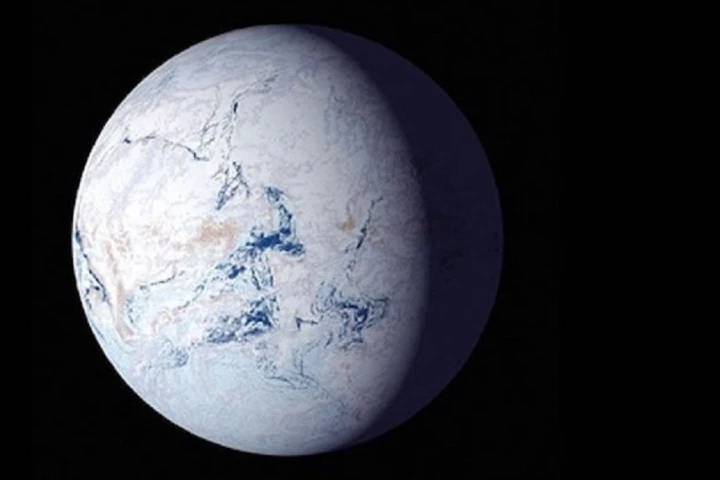 Scientists have proposed a whole range of theories for what might have caused the world to freeze over in the "Snowball Earth" period 700 million years ago, and a new study has now suggested the root of them all could have been the beginnings of plate tectonics.
 -
 Bacteria are hardy, but even they have their limits. One of those was previously thought to be polar ice, but a new study has now observed bacteria living in those conditions. That discovery has implications for our understanding of Earth's past climate, as well as life elsewhere in the universe.
 -
 A team of astronomers may have discovered a “hot Jupiter” exoplanet with an atmosphere that snows titanium oxide – a kind of sunscreen – exclusively on the one side of the planet that is bathed in perpetual darkness.
 -
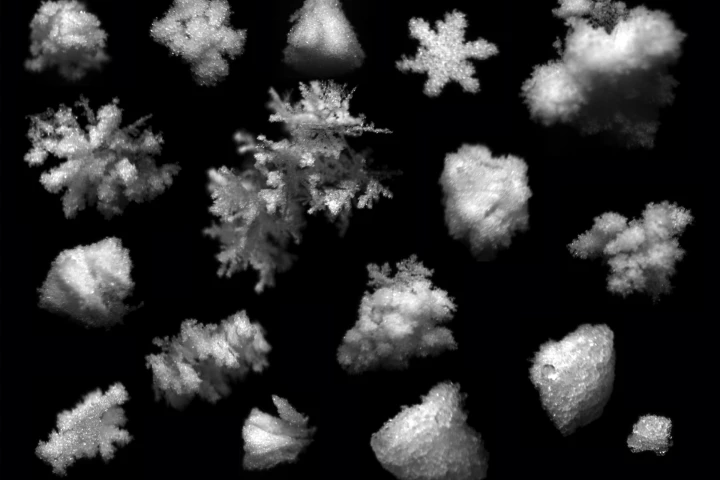 The Multi-Angle Snowflake Camera, or MASC, is able to capture 3D photos of individual snowflakes in free-fall.
 -
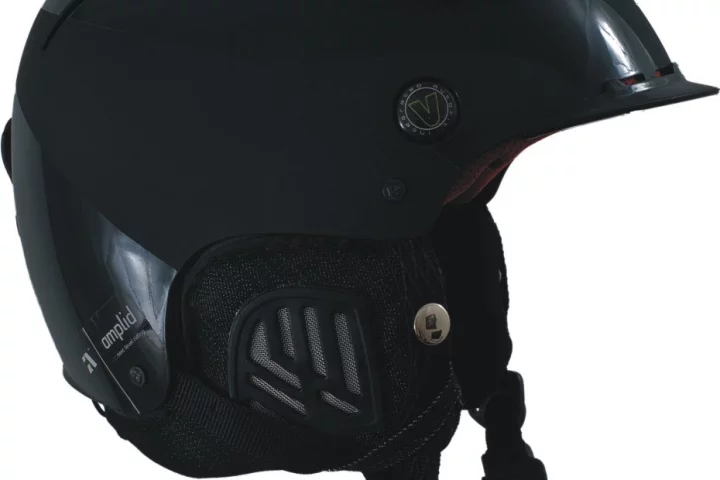 Vaco12 offers impact absorption and tight fit with millions of tiny balls.