
Smithsonian
-
 Cannibalism among our ancestors is not a surprise, but scientists have been taken aback to find clues of this behavior that hail from 1.45 million years ago. Precision cuts made with a stone tool suggests there were some skilful butchers around too.
 -
 A new study has shown that creatures typically inhabiting coastal areas are hitching rides out to sea aboard plastic waste, and are able to not just survive, but thrive out in the open ocean ... with untold impacts on the ecosystem.
 -
 It has generally been thought that electric eels are purely solitary animals, which stalk prey on their own. Now, however, scientists have described seeing the creatures hunting in packs – which only nine other fish species are known to do.
 -
 While it's important for biologists to know which organisms have colonized the seabed in a given area, excavation is both labor-intensive and ecologically unsound. That's where the Autonomous Reef Monitoring Structures (ARMS) are made to come in.
 -
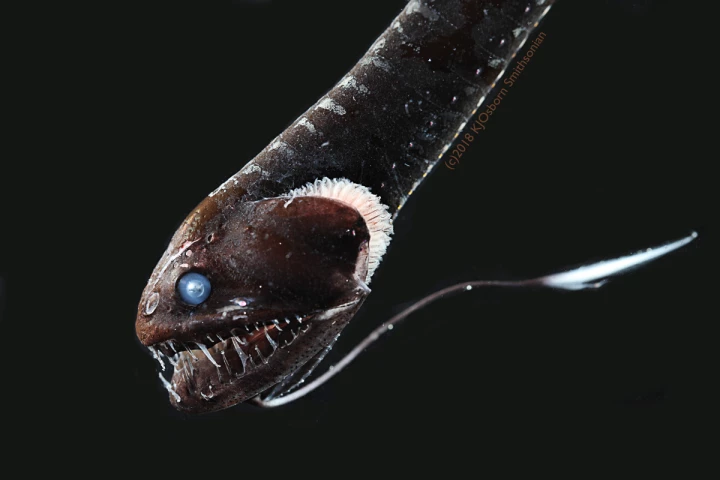 Scientists have discovered ultra-black fish that absorb almost all light that hits them, allowing them to effectively hide in the deepest, darkest parts of the ocean. The find could help inform future advances in optical and camouflage technology.
 -
 Researchers have now found evidence that some of the world’s most impressive gems, such as the Hope Diamond and the Cullinan – which adorns the Crown Jewels – originated much deeper in the Earth’s mantle than previously thought.
 -
 It may not be a Bigfoot or a Loch Ness Monster, but a somewhat creepy new animal species HAS recently been discovered. Named Macrobdella mimicus, it's the first medicinal (human-blood-sucking) leech to be described in North America in over 40 years.
 -
 A fungus is known to control the minds and bodies of ants to help itself reproduce, but it’s not the only insect to use the morbid tactic. Certain species of parasitic wasps have been found to “zombify” spiders, and now a new review paper has examined exactly how the insects pull off this feat.
 -
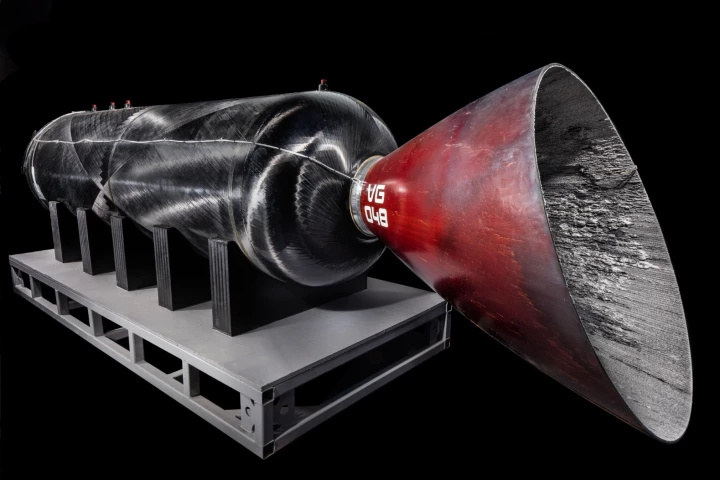 The motor that powered Virgin Galactic's VSS unity into space has been donated to the Smithsonian's National Air and Space Museum, where it will be exhibited as part of its new "Future of Spaceflight" commercial space flight gallery.
 -
 The blue whale may be the largest animal ever, but new research has found it only claimed the title relatively recently. By comparing the bones of modern whales to fossils, a team of scientists has traced the growth spurt to about 4.5 million years ago, when climate change increased the food supply.
 -
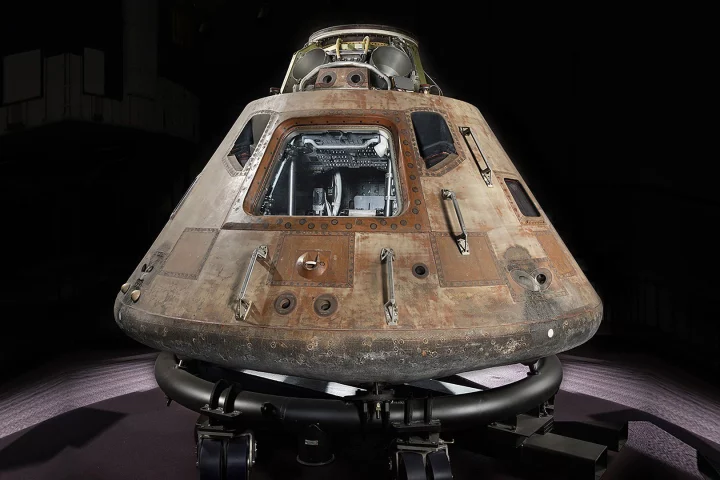 This year, one of the most important artifacts of the Space Age, the Columbia command module of the Apollo 11 mission, will leave its home at the Smithsonian's National Air and Space Museum for the first time in almost 50 years as the centerpiece of an exhibition traveling to museums across the US.
 -
 An underwater expedition to study flaming reef lobsters in the Caribbean has led to a chance encounter with another kind of colorful crustacean: the newly discovered candy striped hermit crab, named so for its candy cane-colored legs.
Load More