
smartphones
-
 Researchers at Hiroshima University in Japan have developed a way to leverage the cameras on smartphones to provide accurate radiation readings. The system they created costs less than $70 and could be a big help in disaster situations.
 -
 Analysis of an ongoing project that has been tracking the health of nearly one million women in the UK for more than 20 years has found no association between increased risk of brain tumors and cell phone use.
 -
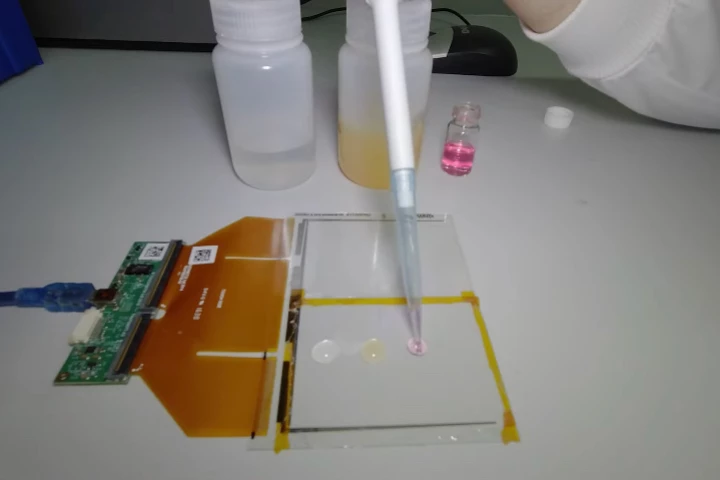 When we hear about smartphones being used to perform analytical tasks, there's often also a device that's connected to the phone. According to a new study, though, a phone's own touchscreen could soon be used to test drinking water and other liquids.
 -
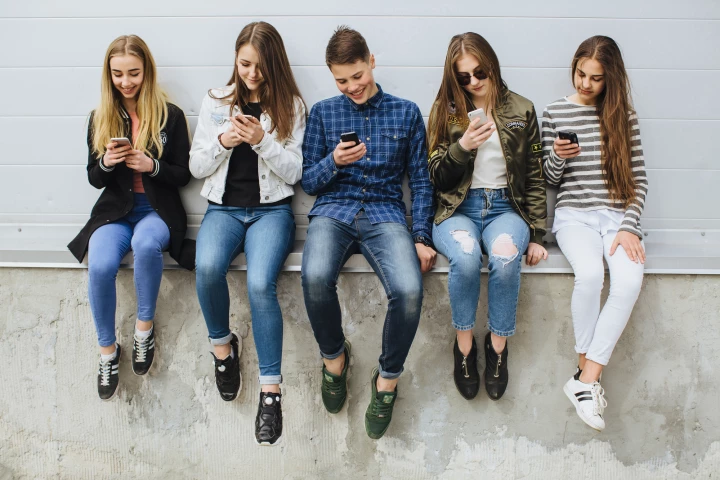 A study from the University of Oxford has analyzed 30 years of data tracking the relationship between young peoples’ technology engagement and mental health, from television watching to smartphone social media use, and found little to no association.
 -
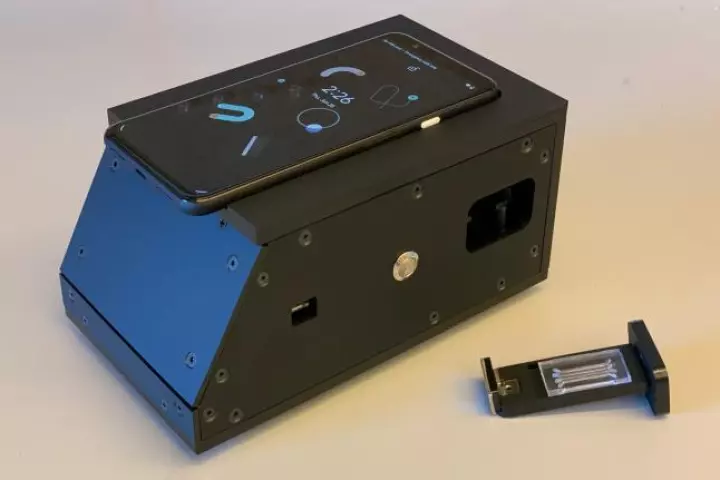 A rapid COVID-19 test promises accurate results in under 30 minutes using a simple hand-held device, a nasal swab and a smartphone camera. The technology can also be modified to detect other viral diseases.
 -
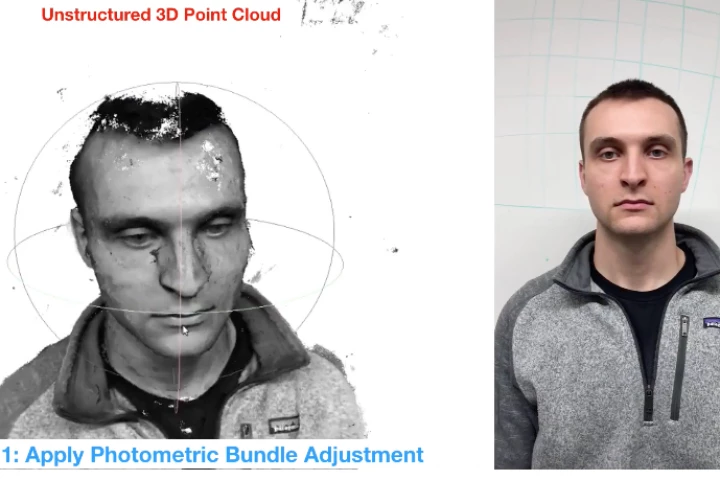 Ordinarily, if you want to create a lifelike 3D digital model of someone's face, a 3D scanner and/or multiple cameras are required. Now, however, scientists from Carnegie Mellon University have created a system that lets a smartphone do the job.
 -
 MacGyver is alive and well and living in Austin Texas, where researchers have come up with a simple and affordable chemical weapons detector, made out of an iPhone, a UV lamp, a standard 96-well test plate and … a bunch of Lego bricks.
 -
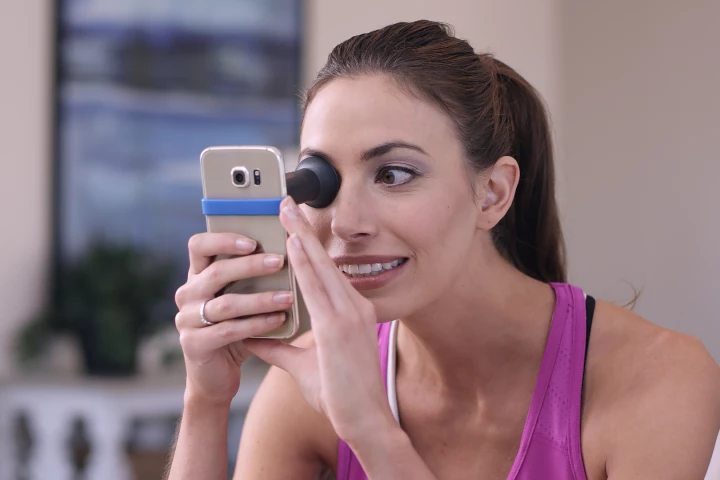 Costing less than the average monthly cellphone bill, the EyeQue Personal Vision Tracker lets users get their eyes checked as often as they want, without leaving the house.