
Smartphones
-
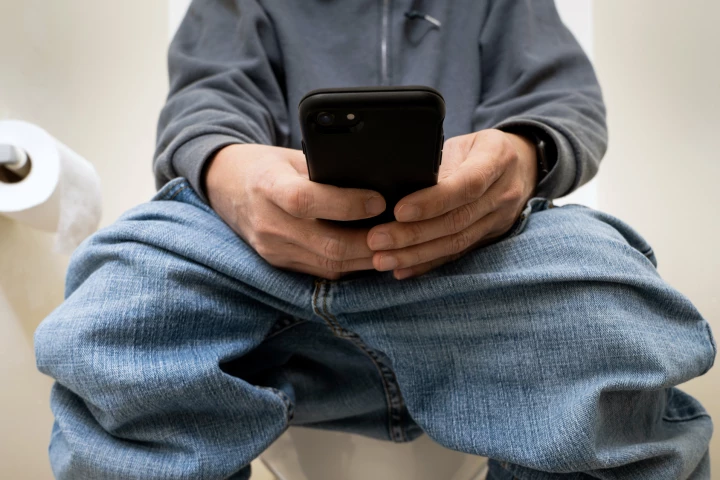 Scrolling on your smartphone while on the toilet may be doing more than passing the time. A new study has found it could raise your risk of hemorrhoids by nearly 50%, thanks to the extra minutes spent sitting.
 -
 Trained on simple heart rate data, an AI model can predict an episode of atrial fibrillation 30 minutes in advance. With plans to incorporate it into a smartphone so it can analyze data from a smartwatch, the model would act as an early warning system.
 -
 The magnetometer found inside your cellphone acts like a traditional compass to help you navigate your surroundings. Now, researchers are using it to map human biology, and it could ultimately make managing diabetes a lot cheaper and easier.
 -
 A new study is offering one of the largest portraits to date of global smartphone use. Surveying thousands of people across nearly 200 countries the study found unexpected use patterns that challenge our current definitions for smartphone addiction.
 -
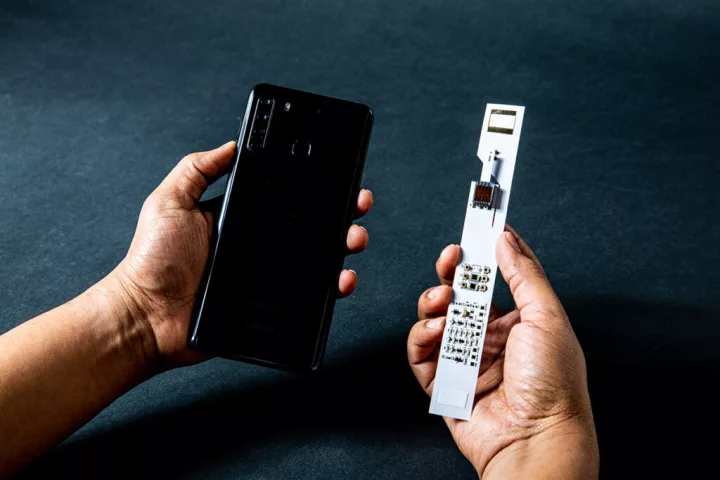 While more than one in five adults have prediabetes, around 80% won't be diagnosed until it develops into more serious health issues. New technology aims to make screening easy, allowing for early detection, which is key to reversing the condition.
 -
 A new study has demonstrated that an app designed to turn a smartphone into an electronic stethoscope can capture reliable, quality recordings of user heartbeats across the population, which could be used to remotely monitor heart conditions.
 -
 Scientists have criticized new research linking excessive smartphone to early puberty onset. The research is unpublished and was promoted through a press release packed with wild speculation, offering a perfect case study in bad science communication.
 -
 Some have argued outsourcing our memory to smartphones is damaging our ability to remember anything properly, but a new study suggests that is not the case – digital devices may actually be freeing up our brains to remember more things overall.
 -
 A prototype smartphone app has been developed to screen for the very earliest stages of Alzheimer’s disease. The app tracks minute changes in a person’s pupil size, which previous research has shown can indicate pre-clinical neurological disease.
 -
 A new smartphone app called MyGeneRank has been developed by scientists at the Scripps Research Institute. The app calculates a person’s genetic risk for coronary artery disease and directs those found to be at high risk to appropriate medical advice.
 -
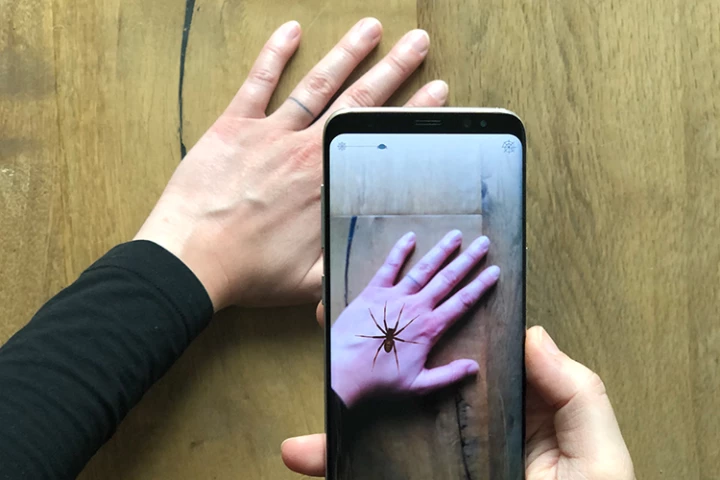 A new smartphone app is using augmented reality to help reduce a person’s fear of spiders. In a study published in the Journal of Anxiety Disorders the app was found to significantly reduce feelings of fear and disgust after a two-week program.
 -
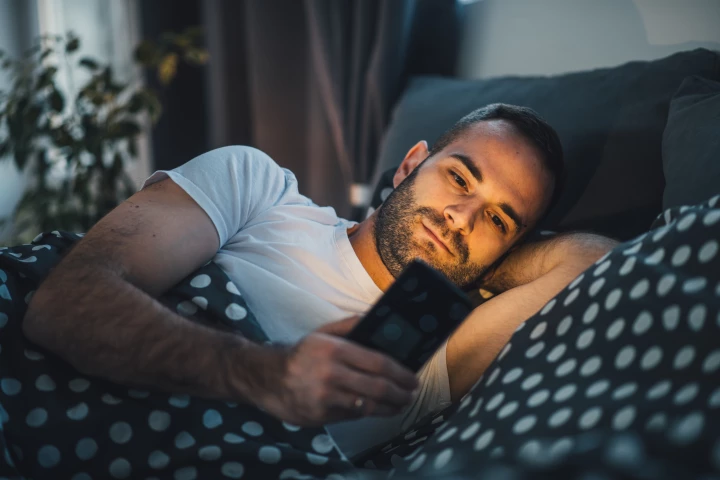 A new study testing smartphone night modes that eliminate blue light wavelengths is suggesting they make no difference to overall sleep outcomes and the only way to improve sleep at all is to completely abstain from screen use before going to bed.
Load More