
Smart Fabric
-
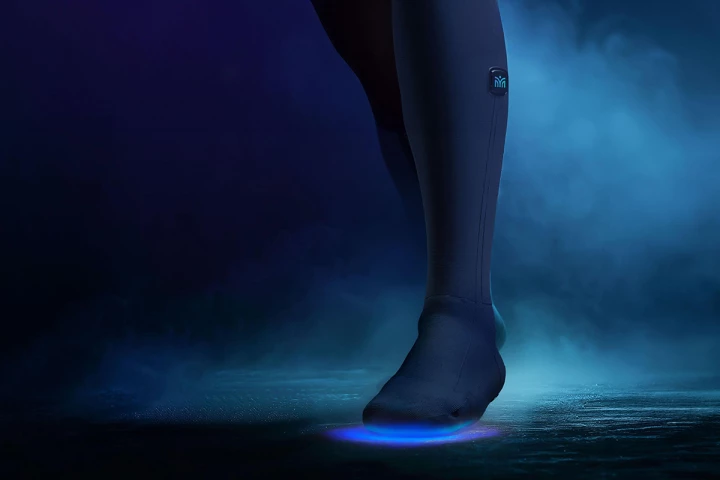 Researchers in Switzerland have stuffed a bunch of chips and sensors into socks to help people who suffer from some of the worst symptoms of diabetes – chronic pain and a loss of sensation in the feet that make it hard to walk.
 -
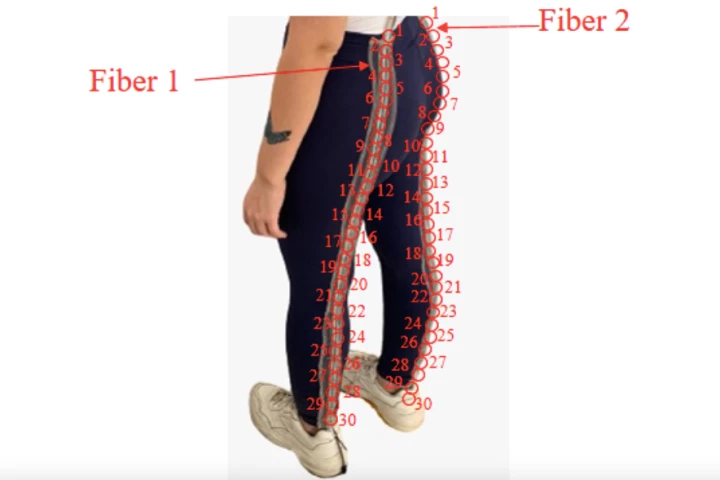 While it's often important for doctors to monitor a patient's physical activity throughout the day, placing cameras in their home is an obtrusive way of doing so. Scientists have now developed an alternative, in the form of activity-tracking pants.
 -
 Whether they're patients with degenerative diseases or astronauts in weightless environments, there are some people who need to know if their muscles are wasting away. A new wearable could one day allow them to check, when and wherever they wish.
 -
 Imagine if your tablecloth could alert you to the whereabouts of misplaced items, or track your diet? Those things and more may soon be possible, thanks to a new "smart" fabric being developed at New Hampshire's Dartmouth College.
 -
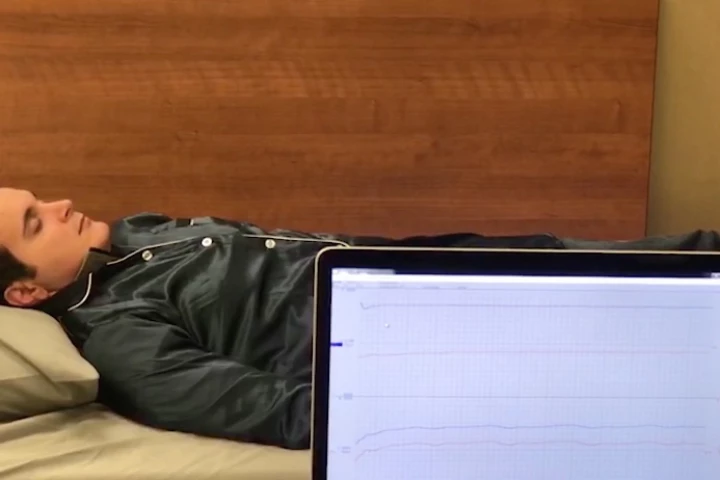 People with insomnia sometimes undergo sleep studies, in which they slumber in a clinic while wired to various sensors – perhaps not the best way to replicate their typical sleeping environment. Soon, however, they may simply be able to wear electronic pyjamas, which are currently in development.
 -
 Imagine if there were comfortable and inexpensive wearable fabrics that were capable of detecting a wide range of pressure and motion. Well, scientists at the University of Delaware have created just such a technology, and it could have some interesting applications.
 -
 Where most "smart clothes" generally function like wearable fitness trackers, researchers in Canada have focused instead on creating a smart T-shirt with the potential to help diagnose respiratory illnesses or monitor such conditions in real-time.
 -
 If they don't mind looking a bit like a Mortal Kombat character, a new electric balaclava featuring a built-in heating area around the nose and mouth would let athletes keep training like a champ in the cold while lowering the risk of contracting chest infections.
 -
 A new approach to producing "smart fabrics" involves bonding electrically-conductive silver to ordinary materials.
 -
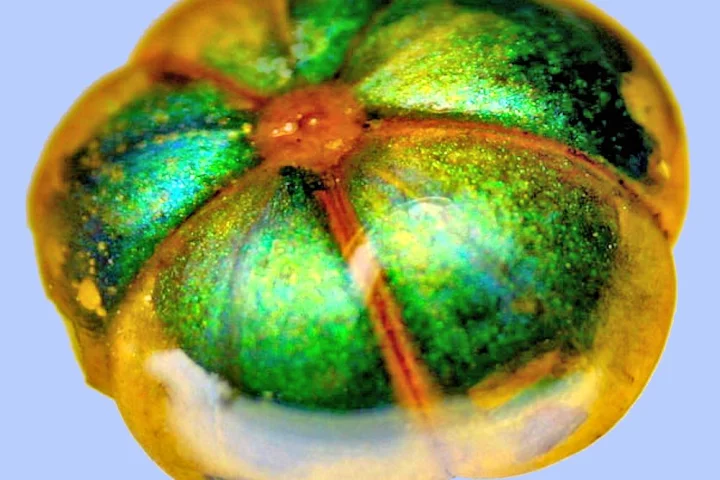 A team of materials scientists from Harvard University and the University of Exeter have created biomimetic fibers that change color when stretched.
 -
 Scientists have created squid-inspired artificial muscles and cells, that could lead to camouflage clothing that is capable of instantly changing color.
 -
 The prototype "intelligent T-shirt" is capable of remotely monitoring patients' vital signs, level of physical activity, and location.
Load More