
Sleep monitors
-
 A new study of nearly 15,000 people found that the window of late-night workouts in which sleep is impacted is actually much larger than previously thought, showing that exercising within four hours of bedtime can have a detrimental effect on shut-eye.
 -
 Not many people fancy the idea of spending the night in a sleep clinic with multiple electrodes stuck to their skin. That's why scientists have developed a smart pajama top that assesses sleep disorders while its wearer comfortably slumbers at home.
 -
 A common childhood epilepsy drug has the potential to change the lives of millions of people who suffer from sleep apnea, as a clinical trial has delivered surprising results in reducing breathing interruptions and improving daytime alertness.
 -
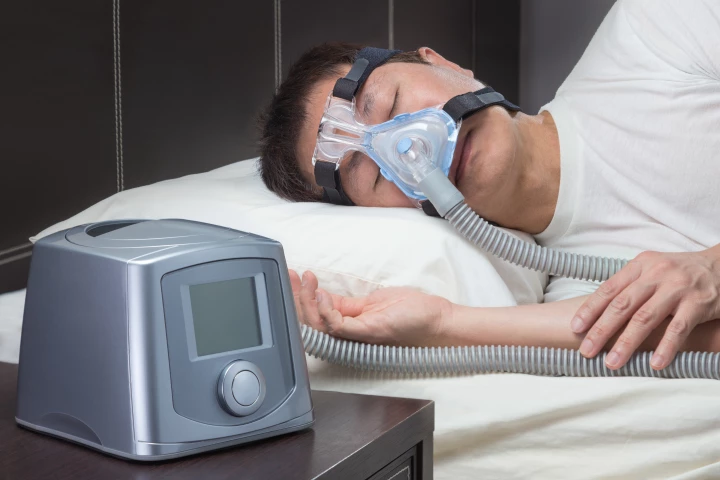 While effective in treating sleep apnea, continuous positive airway pressure (CPAP) machines are intrusive and disruptive, which is why 50% of patients give up on using the life-saving devices. A new study shows why they might be worth the discomfort.
 -
 Scientists have speculated about the cognitive and dreaming abilities of the octopus. This study is a step closer in understanding their complex behavior. As does a study on cuttlefish from the same team, showing their color shifting like never before.
 -
 In order to get tested for sleep apnea, patients have to spend a night sleeping at a clinic with numerous hard-wired sensors stuck to their skin. A new facial patch system however, could soon allow those people to spend the night in their own bed.
 -
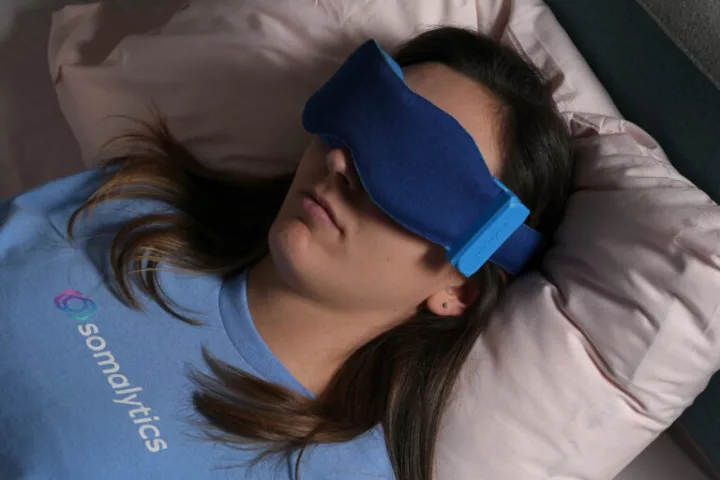 The REM stage of sleep plays an important role in learning, memory and brain development. Currently, lab-based tests are required to gauge how much REM sleep a person is getting. The SomaSleep mask, however, is claimed to let users do so at home.
 -
 While there are already a number of sleep-tracking systems to choose between, many are made by small startups without much of a track record. Electronics giant Amazon has now thrown its hat in the ring, however, with the unveiling of the Halo Rise.
 -
 Scientists in China have developed a smart pillow designed to offer an accessible and accurate sleep-tracking solution, monitoring the quality of rest through head movements, which work to power the system at the same time.
 -
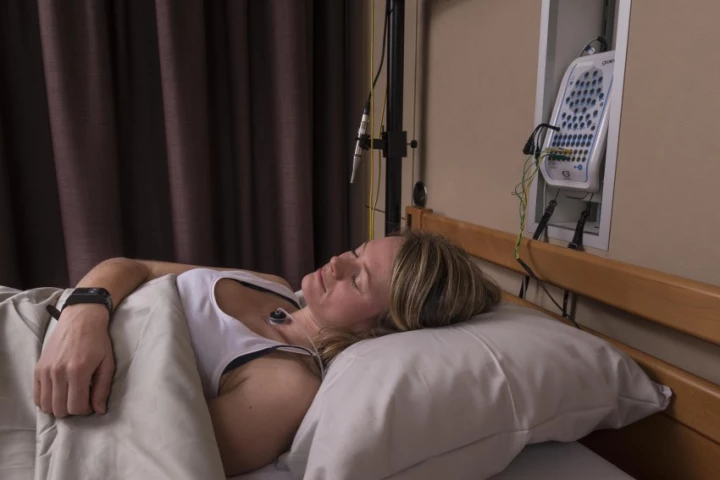 The assessment of sleep apnea typically involves spending a night at a clinic, wired up to sensors that may actually keep the patient from sleeping normally. According to recent research, though, a Fitbit-like device could serve the same purpose.
 -
 In order to track how someone's body position changes as they sleep, they typically have to be rigged up with sensors, or filmed by a video camera. MIT's new BodyCompass system, however, offers a third alternative that many people may prefer.
 -
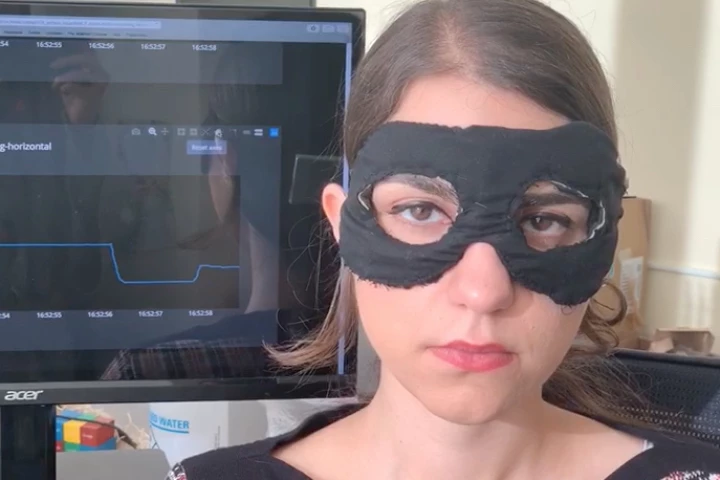 When tracking a sleeping person's eye movements, you typically have to stick hard-wired electrodes onto their face. Soon, however, an unobtrusive flexible mask could do the job – while also measuring their heart rate.
Load More