
Ships
-
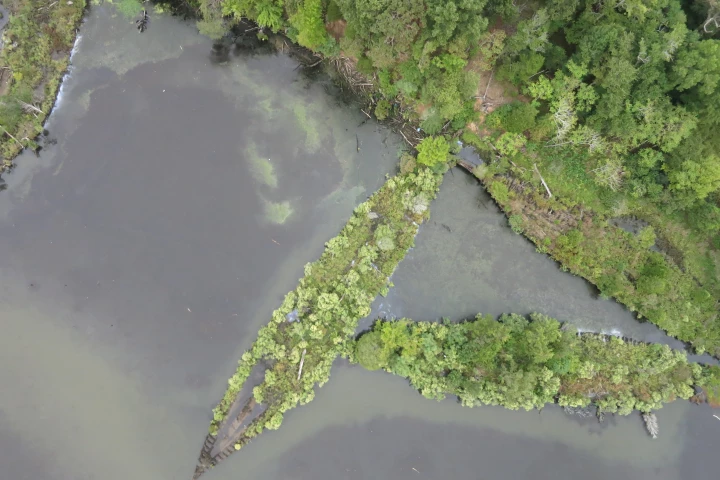 Old Nazi warheads and US warships have been reclaimed by a new army of diverse marine life, as scientists for the first time uncover how nature has made use of the munitions and fleets that ended up dumped in waterways during the two world conflicts.
 -
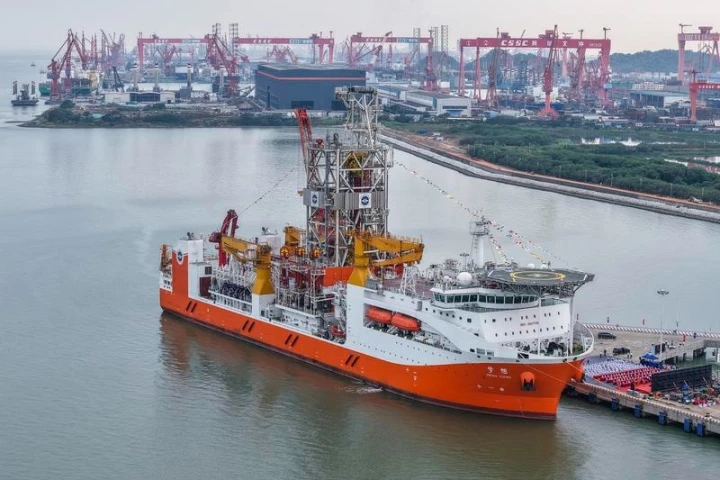 China is going full Jules Verne as it prepares to go where no drill has gone before. As part of its Deep Ocean Drilling Program, the special-built Meng Xiang (梦想号, "Dream") drill ship is gearing up for a multi-year effort to pierce the Earth's crust.
 -
 The air at sea might be getting a bit cleaner as technology group Wärtsilä puts its Carbon Capture Solution (CCS) system on the market. The modular apparatus is claimed to capture as much as 70% of the CO2 emissions from cargo ship exhaust systems.
 -
 When we hear about microplastic particles polluting the ocean, the usual suspected sources are degraded plastic goods and synthetic textile fibers. A new study, however, suggests that much of the blame lies with hull coatings on ships.
 -
 The British Antarctic Survey's (BAS) polar research vessel RSS Sir David Attenborough came a step closer to going into service this week as its power systems came online for the first time and its advanced lifeboats were commissioned.
 -
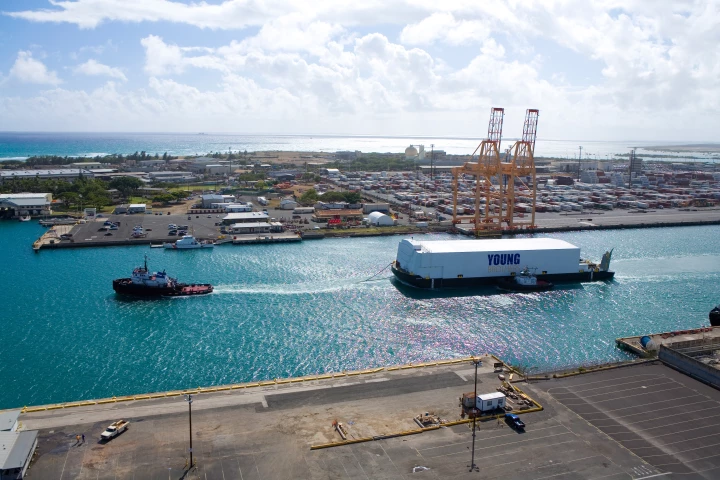 Shipping ports are major sources of pollution, due in part to anchored or docked ships using diesel generators to keep their systems powered up. A year from now, however, the Port of Honolulu will be trying out a mobile hydrogen fuel cell unit, as a more eco-friendly and fuel-saving alternative.
 -
 DIFIS (Double Inverted Funnel for Intervention on Shipwrecks) uses a passive collection system to recover oil from wrecks.
 -
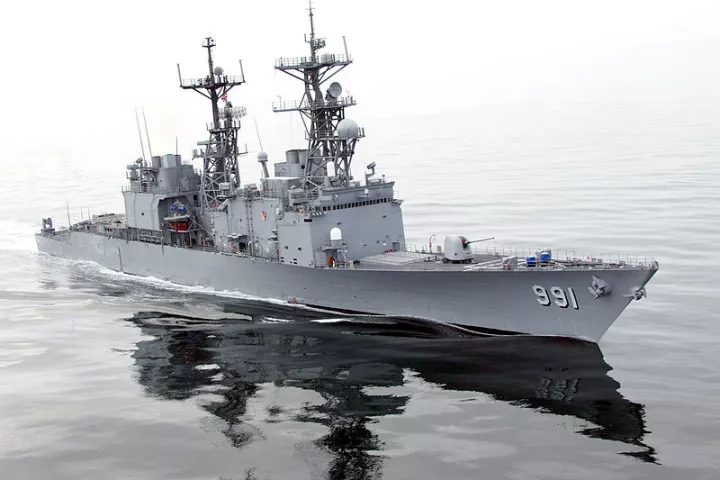 Researchers that the U.S. Naval Research Laboratory are developing a process to obtain jet fuel from seawater.
 -
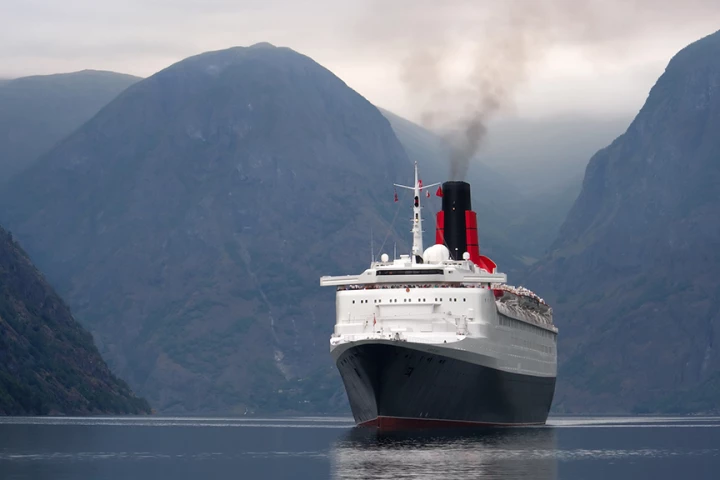 A new additive based on glycerol helps reduce pollution in marine bunker fuel.
 -
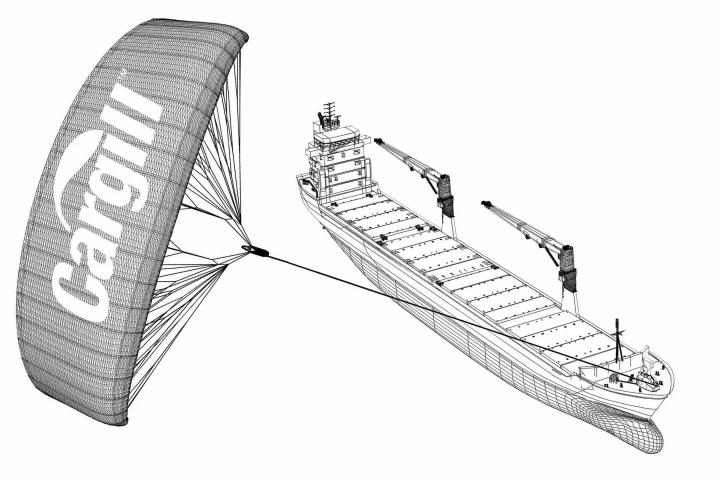 Cargill Ocean Transportation has announced that it will be installing a SkySails wind propulsion system on one of its cargo ships, the largest ever to receive such technology.
 -
 New research has found that in one year, a single large container ship can emit cancer and asthma-causing pollutants equivalent to that of 50 million cars.